
The abhyanga tradition
For Body Massage
- Traditional abhyanga oils
- Warm gently before use
- Single ingredient only
- Lab-tested every batch
Abhyanga is not a spa ritual. It is a ten-minute habit before a bath, and it needs one plain oil and warm hands.
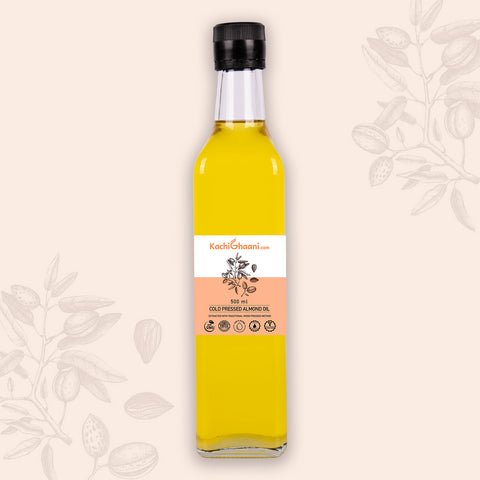
Wooden Cold Pressed Almond Oil
Salad dressing · desserts · skin care · hai... Not a frying oil — best used raw
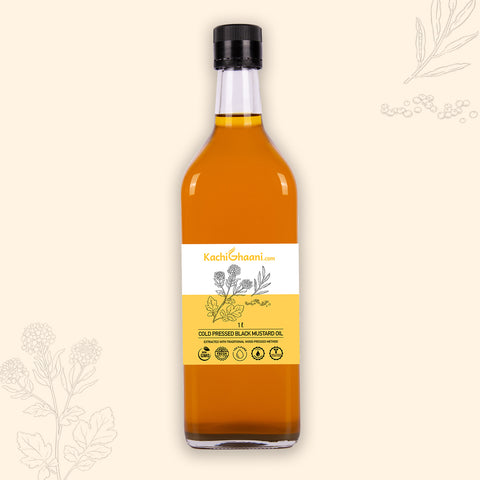
Wooden Cold Pressed Black Mustard Oil
Everyday cooking & frying · pickling · ... 250°C
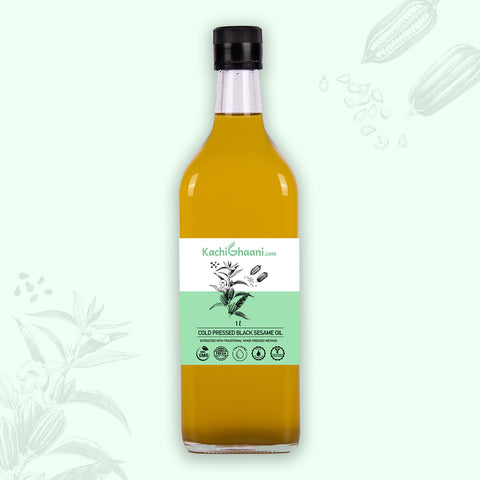
Wooden Cold Pressed Black Sesame Oil
Gandusha & kavala oil pulling · cooking... 177°C
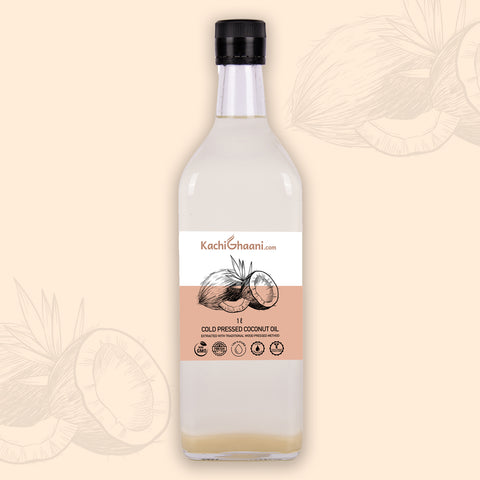
Wooden Cold Pressed Coconut Oil
Everyday cooking & sautéing · skin &... 177°C
Not sure which oil is yours?
Compare applications, smoke points, doshas and nutrients — or take the 2-minute Dosha Quiz.
Which oil does what
| Oil | Best for | How to use | Link |
|---|---|---|---|
| Black Sesame Oil | Classical abhyanga | The default oil in the classical texts — warm before use. | → |
| Almond Oil | Light daily massage | For those who find sesame too heavy. | → |
| Black Mustard Oil | Winter warming massage | The North Indian cold-weather tradition — strong aroma, warming feel. | → |
| Coconut Oil | Cooling massage | The warm-climate tradition, especially in the south. | → |
How to choose
An ayurvedic massage oil is chosen by season and by constitution — warming oils through winter, cooling ones through summer, under what the texts call ritucharya. These four cover the year between them.
- Black til — the classical abhyanga oil. Heavy, warm, deeply aromatic; the one the texts name most often, and the winter default across most of India.
- Sarso (black mustard) — the North Indian winter malish, sharp and warming. Warm it gently first and the pungency softens.
- Coconut — the summer and coastal choice, light and cooling. Pressed from dry kernel, so it sets below about 24°C.
- Badam (almond) — the lightest and least aromatic, easiest on skin that objects to strong smells.
Every one is a single ingredient, Truly Cold Pressed in a wooden ghaani, unfragranced and food-grade. No mineral oil, no carrier blend, no essential-oil perfume. Lab-tested every batch, FSSAI 10724999001232. We share the practice as tradition, not as medical advice.
Not sure which suits you? Take the two-minute dosha quiz.