Aloo Gobhi
Cauliflower with dark gold edges, potatoes gone crisp at the corners, turmeric clinging to everything and mustard oil sharp in the background.

Ingredients
Serves 4
- 1 medium cauliflower (600 g), cut into florets slightly bigger than bite size
- 3 medium potatoes (350 g), peeled and cut into thick wedges
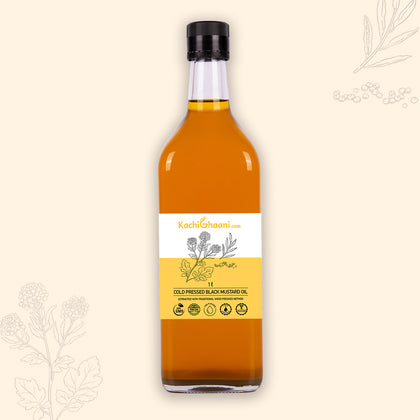
- 4 tbsp Cold Pressed Black Mustard Oil
- 1 tsp cumin seeds
- 1/4 tsp ajwain (carom seeds)
- A pinch of hing
- 1 tbsp ginger, chopped fine, and 2 green chillies, slit
- 1 medium onion (100 g), sliced thin, optional
- 1/2 tsp turmeric powder
- 1.5 tsp coriander powder
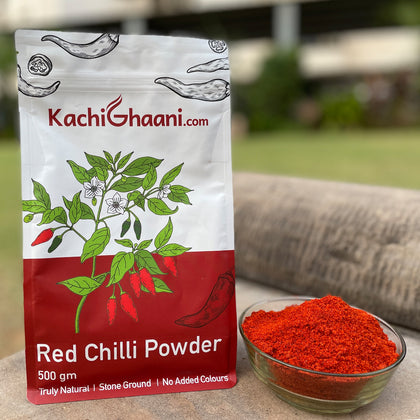
- 1 tsp Stone Ground Red Chilli Powder
- 1 medium tomato (100 g), chopped, optional
- 1 tsp amchur (dry mango powder)
- 1/2 tsp garam masala
- 1 tsp kasuri methi, crushed
- 1 tsp salt, or to taste
- 3 tbsp coriander leaves, chopped
Quantities are scaled up. Taste as you go and adjust the salt and spice.
Shop this recipe
Everything you need, from our press house
Winter afternoon, a kadhai on a low flame, and nobody has touched it for four minutes. That is the whole secret. The cauliflower is browning on one side, the potato corners are turning crisp, and the kitchen smells of mustard oil and ajwain. When it finally gets a stir, the florets are gold-edged and still whole. Eaten hot off the kadhai with a phulka and a spoon of curd, this is the sabzi that gets finished before anything else on the table.
This is cooked in Cold Pressed Black Mustard Oil. Black mustard is the sharper of the two mustards, and once it is heated properly it settles into a warm, slightly bitter background note that plain oil cannot give. It is what makes the difference between a hotel aloo gobhi and one from a Punjabi or UP kitchen. Ours is pressed slowly in a wooden ghaani, so the pungency is still there.
The rule: heat the mustard oil until it shimmers and just begins to smoke, then bring the flame down before anything goes in. Raw mustard oil tastes bitter and stays that way. And after that, no water and no lid. Cauliflower steams into mush the moment you cover it.
How to make it
- Soak the cauliflower florets in warm salted water for 10 minutes, drain, and spread them on a cloth to dry completely. Wet florets will never brown, they will only steam.
- Heat the mustard oil in a wide kadhai on high until it shimmers and the first wisp of smoke appears and the sharp raw smell lifts. Switch the flame down to medium at once.
- Add the ajwain, cumin and hing. They will crackle in seconds. Add the ginger and green chillies, and the onion if using, and fry 3 to 4 minutes to soft gold.
- Put in the potato wedges with the turmeric and a pinch of salt. Spread them in one layer and let them sit for 4 minutes without stirring. Turn once, cook 4 minutes more. They should have crisp brown faces.
- Add the cauliflower and the rest of the salt. Spread it out, raise the heat slightly and leave it undisturbed for 4 minutes so the underside browns. Then turn gently with a flat spatula, not a spoon, and repeat twice. Keep the pan uncovered throughout.
- Sprinkle in the coriander powder and chilli powder, add the tomato if using, and fold through. Cook another 5 to 6 minutes until both vegetables are tender when pressed against the side of the pan but still holding their shape.
- Switch off. Add the amchur, garam masala and kasuri methi crushed between your palms, and fold once. Cover for 2 minutes off the heat so the aroma settles in.
- Scatter the coriander leaves and serve hot with phulka, dal and curd.
Tips
- Dhabas do it differently. Many deep-fry the florets in refined oil first. This is the home version from Punjabi and UP kitchens, cooked in one pan in mustard oil, and it is the one most people grew up eating.
- Do not stir it every minute. Every stir breaks the florets and releases water. Leave the pan alone for four minutes at a stretch. That is how the browning happens.
- Cut the cauliflower bigger than the potato. Cauliflower cooks faster. Equal-sized pieces means one turns to mush while the other is still raw.
- Storage: it keeps 2 days in the fridge and reheats best in a dry pan, not the microwave, which makes it soggy. It also makes very good paratha stuffing the next day.
- If it turned watery, the florets were wet, the pan was crowded, or the lid went on. Use your widest pan and cook in two batches if you have doubled the recipe.