Ghugni
Soft white peas in a thin dark gravy, a squeeze of tamarind, raw onion and bhaja masala over the top, eaten hot out of a clay bowl with a flat wooden spoon.

Ingredients
Serves 4
- 1.5 cups (300 g) dried white peas (safed matar), soaked 10 hours or overnight
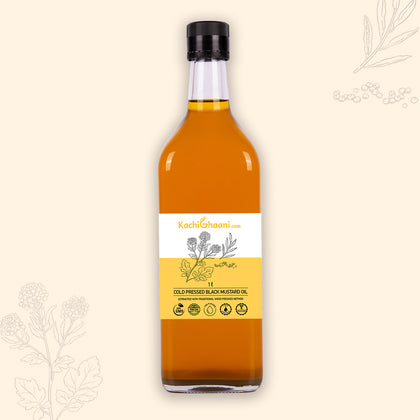
- 3 tbsp (45 ml) wooden cold pressed black mustard oil
- 2 tbsp (20 g) fresh coconut, cut into thin slivers
- 1 medium potato (150 g), cut into 1.5 cm cubes
- 1 tsp cumin seeds, 2 bay leaves, 1 inch cinnamon, 3 cloves, 2 green cardamom
- 1 medium onion (100 g), chopped fine
- 1 tbsp (15 g) ginger paste and 1 tsp garlic paste
- 1 large tomato (150 g), chopped fine
- 1 tsp turmeric, 1.5 tsp cumin powder, 1 tsp coriander powder
- 1.5 tsp stone-ground red chilli powder
- 1.5 tsp salt and 1 tsp sugar, or to taste
- 3 cups (750 ml) water, for cooking the peas
- 2 tbsp thick tamarind pulp, dissolved in 4 tbsp warm water
- 1 tsp bhaja masala (2 dried red chillies and 1 tbsp cumin seeds, dry roasted and ground)
- 1 small onion, 2 green chillies and 3 tbsp coriander leaves, chopped fine, to serve
Quantities are scaled up. Taste as you go and adjust the salt and spice.
Shop this recipe
Everything you need, from our press house
Late afternoon outside a Kolkata school gate. The ghugni man has a dented aluminium handi kept warm over a small flame, and he serves it into little clay bowls with a flat wooden spoon. Over each bowl goes a spoon of tamarind water, a shower of chopped raw onion and green chilli, coriander, and then the bhaja masala, roasted cumin and dried red chilli ground together, which he keeps in a steel tin and sprinkles with his fingers. The peas are cooked so soft that they give way against the roof of your mouth, but they are still whole. The gravy is thin, dark and sharp, and there is never enough of it.
Ghugni has almost no fat in it beyond the tempering, so the oil has to be worth tasting. Wooden cold pressed black mustard oil is unrefined and pressed without heat, which is why it keeps its full pungency. Heat it until it smokes and goes pale, then rest it off the flame for half a minute so the raw bite settles, and that clean sharpness runs right through the peas as they simmer. Coconut slivers fried in the same oil until they go gold are the small detail that separates a home ghugni from a boring one.
Everything depends on the soak. Dried white peas need a full night in plenty of water, and they will roughly double. Undersoaked peas stay chalky in the middle no matter how long you cook them. When they are properly soaked, twelve to fifteen minutes in the pressure cooker takes them to the point where a pea crushes between two fingers with no grit left at all.
How to make it
- Soak the white peas overnight in three times their volume of water. They should roughly double and feel soft when squeezed. Drain and rinse.
- Dry roast the 2 dried red chillies and 1 tbsp cumin seeds in a pan on low for 3 minutes, until the cumin darkens by a shade and smells nutty, then grind to a coarse powder. This is the bhaja masala. Keep it aside.
- Heat the mustard oil in a pressure cooker until it smokes and turns pale, then take it off for 30 seconds. Return to medium heat, add the coconut slivers, and fry 40 seconds until they are gold at the edges. Lift them out and keep them.
- Into the same oil go the cumin seeds, bay leaves, cinnamon, cloves and cardamom. When they crackle, add the chopped onion and fry 6 to 7 minutes until it is soft and brown at the edges.
- Add the ginger and garlic paste, fry one minute, then the tomato. Cook 5 minutes, pressing it down, until it breaks up completely and the oil shows at the sides.
- Mix the turmeric, cumin powder, coriander powder and stone-ground red chilli powder with 3 tbsp water and add. Fry on low for 2 minutes until the raw smell is gone and the masala is dark.
- Add the drained peas and the potato cubes and turn them in the masala for 3 minutes. Pour in the water with the salt and sugar, close the cooker, and cook 12 to 15 minutes on medium after the first whistle.
- Open when the pressure drops. A pea should crush between your fingers without any hard centre. Crush a few against the side of the pan with the back of a spoon to thicken the gravy slightly, then simmer uncovered 5 minutes. It should stay pourable, not thick.
- Stir in the tamarind water and the fried coconut and simmer 2 minutes more. Taste for salt, sugar and sourness. Ghugni should be a little sharp.
- Serve hot in small bowls with chopped raw onion, green chilli and coriander scattered over, and a generous pinch of bhaja masala on each bowl.
Tips
- Bhaja masala goes on at the table. Cook it into the pot and it fades. Sprinkled on at the last second it stays loud, which is exactly how the street vendors do it.
- Keep the gravy thin. Ghugni is not a thick chana masala. It should pool around the peas and be sippable off the spoon. If it thickens on standing, loosen it with hot water.
- Coconut slivers, not desiccated coconut. Thin slices of fresh coconut fried gold give little chewy bites through the bowl. Powdered coconut just disappears.
- For a puja bowl, drop the onion and garlic. The niramish version uses hing in the tempering instead and tastes just as good.
- Serve it as chaat. Spoon it over puffed muri or top with sev, extra tamarind water and a squeeze of lemon for the classic Kolkata evening snack.