Handvo
The crust cracks like a biscuit under the knife, then gives way to a soft savoury middle flecked with dudhi and green chilli. The base is the best part.

Ingredients
Serves 6
- 1 cup (200 g) rice, short grain
- 1/4 cup (50 g) toor dal
- 1/4 cup (50 g) chana dal
- 2 tbsp (25 g) urad dal
- 2 tbsp (25 g) moong dal
- 1/2 cup (125 g) sour curd
- 1.5 cups (200 g) dudhi (bottle gourd), grated and lightly squeezed
- 1 tbsp ginger-green chilli paste
- 1 tsp Stone Ground Red Chilli Powder
- 1/2 tsp turmeric powder
- 1 tsp sugar
- 1.5 tsp salt
- 1 tbsp lemon juice
- 1/2 tsp fruit salt (eno) or 1/4 tsp baking soda
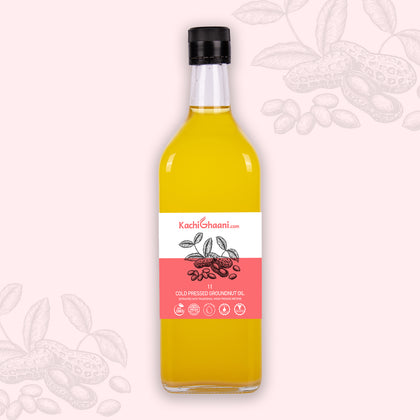
- 4 tbsp Wooden Cold Pressed Groundnut Oil, for cooking and tempering
- 1 tsp mustard seeds
- 1/4 tsp methi seeds (fenugreek)
- 1/4 tsp hing (asafoetida)
- 12 curry leaves
- 2 tbsp white sesame seeds
Quantities are scaled up. Taste as you go and adjust the salt and spice.
Shop this recipe
Everything you need, from our press house
Four in the afternoon in a Gujarati house, and the kadai has been sitting covered on a low flame for twenty minutes. When the lid comes off, the top is set and studded with white sesame, and the whole kitchen smells of mustard seeds and fermented dal. The real moment is the flip. The underside comes up almost mahogany brown, thick and crunchy, and when you cut into it the crust cracks like a biscuit while the middle stays soft and savoury, flecked with green chilli and shreds of dudhi. Everybody fights over the corner pieces.
That crust is made of oil and patience, and the oil sits in direct contact with a hot base for twenty-five minutes. Wooden cold pressed groundnut oil holds up to that steadily and its own roasted-groundnut character suits a batter of rice and dal, which is why Gujarati kitchens reach for it. It is unrefined, so keep the flame low the whole time. That is what you want anyway, because a low flame is exactly how the crust builds slowly instead of scorching.
The batter decides this dish, and it needs two things. Grind it coarse, like fine rava, never smooth, or the handvo turns dense and cakey. And ferment it properly, eight to ten hours in a warm corner, until it has risen slightly and smells faintly sour. Add the salt, soda and vegetables only at the end, just before it goes into the pan. Put them in early and the fermentation stalls and the dudhi leaks water into the batter.
How to make it
- Rinse the rice and all four dals together until the water runs clear, then soak them in enough water to cover by two fingers for 4 to 5 hours.
- Drain well and grind with the curd and no added water to a coarse batter, roughly the texture of fine rava. Rub a little between your fingers, you should feel grit. A smooth batter gives a heavy handvo.
- Cover and leave in a warm corner for 8 to 10 hours or overnight. It is ready when it has risen a little, shows small bubbles on top and smells pleasantly sour.
- Only now stir in the grated dudhi, ginger-chilli paste, chilli powder, turmeric, sugar, salt and lemon juice. The batter should be thick and droppable, like idli batter. Add 2 tbsp water only if it feels too stiff.
- Heat 2 tbsp of the groundnut oil in a heavy kadai or a deep non-stick pan on medium. Add the mustard seeds and let them pop, then the methi seeds, hing and curry leaves. Take the pan off the heat for a moment.
- Stir the fruit salt into the batter and mix for 5 seconds only, just until it looks aerated. Pour it straight into the tempered pan so it spreads into an even layer about 3 cm thick. Do not stir it in the pan.
- Scatter the sesame seeds thickly over the top and drizzle 1 tbsp oil around the edge. Cover, put it on the lowest flame, and leave it alone for 20 to 25 minutes. Resist lifting the lid for the first 15.
- It is ready to turn when the top is dry and set, a knife inserted in the middle comes out clean, and the edges have shrunk in from the side of the pan.
- Slide it onto a large plate, drizzle the last of the oil into the pan, and flip the handvo back in, crust side up. Cook uncovered on low for 10 to 12 minutes until the second side is deep brown and firm.
- Turn it out, rest 5 minutes so the crust stays crisp, then cut into thick wedges or squares. Serve warm with green chutney and hot masala chai.
Tips
- Low flame, always. The crust is built over 25 minutes, not 10. A high flame gives you a black bottom and a raw middle every single time.
- Squeeze the dudhi lightly, not dry. You want the shreds damp, not dripping. Too much water makes a soggy handvo that will not hold its shape when you flip it.
- Short on time? Skip the overnight route: use handvo flour from the shop, mix with sour curd, rest 3 hours, then carry on from step 4. It is a good handvo, just a little less sour.
- Nervous about the flip? Bake instead. A greased tin at 180C for 35 to 40 minutes gives a lovely top, though the thick base crust is something only a kadai will give you.
- Leftovers reheat beautifully on a tawa with a few drops of oil, cut side down, for 3 minutes. The crust comes right back.