Idli with Milagai Podi (Gunpowder)
A white idli split open, still steaming, a small hill of brick-red podi beside it, and sesame oil running down into the crack.

Ingredients
Serves 4
- For the milagai podi:
- 1/2 cup (90 g) urad dal, whole or split, skinless
- 1/4 cup (45 g) chana dal
- 2 tbsp (20 g) white sesame seeds
- 12 to 15 dry red chillies (25 g), byadagi or guntur, stalks removed
- 2 sprigs curry leaves (about 25 leaves)
- 1/2 tsp asafoetida (hing)
- 1 tsp salt, or to taste
- 1/2 tsp jaggery, grated, optional, for rounding the heat
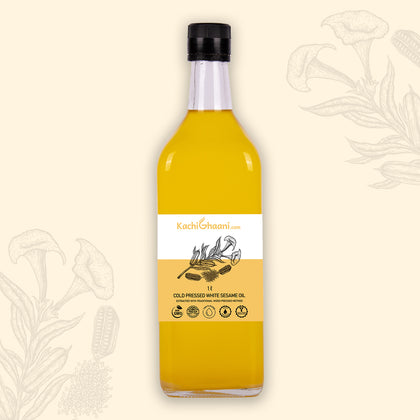
- 1/2 tsp wooden cold pressed white sesame oil, for roasting the chillies
- For the idli batter:
- 2 cups (400 g) idli rice or parboiled rice
- 1/2 cup (100 g) whole skinless urad dal
- 1/2 tsp fenugreek seeds
- 1 tsp salt
- Water, as needed for grinding
- To serve:
- 6 tbsp (90 ml) wooden cold pressed white sesame oil
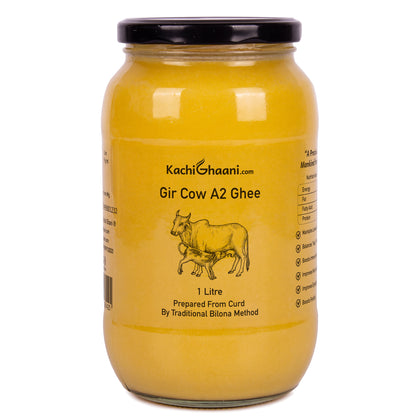
- 2 tbsp Gir Cow's A2 Ghee, for anyone who prefers ghee over oil
Quantities are scaled up. Taste as you go and adjust the salt and spice.
Shop this recipe
Everything you need, from our press house
Seven in the morning at a Chennai mess. The steamer lid comes off and a cloud goes up to the ceiling. Four idlis land on the steel plate, so soft they wobble. Beside them, a small hill of brick-red powder, and then a spoon of dark sesame oil poured straight on top of it. The oil sinks in and the powder turns wet and glossy and almost maroon. You mash a corner of idli into it with your fingers. Salt, roasted dal, chilli heat that arrives late and sits at the back of your throat, and sesame all the way through. Then a sip of filter coffee, and you start again.
The oil is not a garnish here. Podi on its own is dry powder and it scratches the throat. Cold pressed white sesame oil is thick and slightly heavy, so it coats each grain instead of running off the plate. Because it is pressed in a wooden ghaani without heat, it keeps the raw nutty smell that gingelly oil is supposed to have, and that smell is half of what makes podi taste like podi. Refined sesame oil has been bleached and deodorised until nothing is left, and you can taste the nothing. Use one and a half teaspoons of ours per plate, no more.
The whole recipe turns on one thing: roast each item separately, on low heat, and let everything cool right down before you grind. Urad dal takes about six minutes, chana dal about eight, sesame seeds under two. If you throw them all in together, the sesame burns while the chana dal is still raw and the podi goes bitter. And if you grind while warm, the dals release their oil and the powder clumps into a paste that will not keep.
How to make it
- Start the idli batter a day ahead. Wash and soak the idli rice in one bowl and the urad dal with fenugreek in another, both for 5 hours. Grind the urad dal first with cold water into a light, fluffy batter, then the rice into a slightly grainy one. Mix them by hand with the salt, and leave covered in a warm corner for 8 to 12 hours until the batter has risen and smells pleasantly sour.
- For the podi, heat a heavy kadhai on low. Dry roast the urad dal alone, stirring, for 5 to 6 minutes until it turns the colour of light honey and smells like fresh bread. Tip it onto a wide plate.
- Roast the chana dal the same way for 7 to 8 minutes. It is harder and takes longer, and it is ready when a dal cracks between your teeth cleanly. Move it to the same plate.
- Add the sesame seeds to the dry pan. Keep stirring. In 60 to 90 seconds they will start jumping and popping. The moment they smell toasted, take them off. Sesame goes from perfect to burnt in ten seconds.
- Add 1/2 tsp sesame oil to the pan, drop in the red chillies and roast on the lowest flame for 2 minutes, turning them, until they darken by one shade and go brittle. Add the curry leaves for 30 seconds until they go crisp, then the asafoetida for 10 seconds. Switch off.
- Spread everything on the plate and leave it for 30 minutes. It must be completely cold, not warm, before it goes into the mixer.
- Grind in a dry mixer in short bursts of 10 seconds, shaking the jar between bursts. Add the salt and the jaggery if using. Stop while it is still slightly sandy, like coarse rava. Do not run the mixer continuously or the heat will turn it oily.
- Steam the idlis. Grease the plates lightly, pour the batter to three quarters of each mould, and steam on medium for 10 to 12 minutes. A knife pushed in should come out clean. Leave them 3 minutes before you unmould, or they will tear.
- To serve, put 2 tbsp podi on each plate, make a small well in the middle and pour 1.5 tsp sesame oil into it. Mix with the back of the spoon until it turns dark and glossy. Serve the hot idlis alongside.
- Store the rest of the podi in a clean, dry glass jar. It stays good for 3 months at room temperature. Use a dry spoon every single time.
Tips
- Chillies decide the colour and the heat. Byadagi gives that deep red with mild heat. Guntur gives sharp heat and a duller colour. Most Tamil homes use two parts byadagi to one part guntur, which is the balance we have used here.
- Do not skip the cooling. Warm dal releases oil in the mixer and the podi turns into a lump within a week. Thirty minutes on a wide plate is the whole secret to a podi that stays loose for months.
- Add the oil at the plate, never to the jar. Podi mixed with oil in advance goes rancid in days. Mix only what you are about to eat.
- It is not only for idli. Sprinkle it inside a dosa before you fold it, stir a spoon into hot rice with sesame oil, or dust it over roasted potatoes.
- We do not sell idli rice or dal. Buy those from your regular grocer. Old rice grinds better than new rice, and the batter ferments more reliably.
- Cold weather stalls fermentation. In winter, keep the batter inside a switched-off oven with the light on, or wrap the vessel in a thick towel. Give it 14 hours instead of 8.