Bhoger Labra
Panch phoron pops in smoking mustard oil, then eight vegetables go in and slowly collapse into one another until the pumpkin sweetens the whole pot.

Ingredients
Serves 6
- 5 tbsp (75 ml) wooden cold pressed black mustard oil
- 1 tbsp (10 g) panch phoron
- 3 dried red chillies and 2 bay leaves
- 300 g pumpkin, peeled and cut into large 4 cm cubes
- 2 medium potatoes (250 g), cut into large wedges
- 1 sweet potato (150 g), cut into thick rounds
- 1 small radish (150 g), cut into thick half moons
- 150 g flat beans or long beans, cut into 5 cm lengths
- 1 small brinjal (150 g), cut into thick fingers
- 1 raw banana (150 g), peeled and cut into thick rounds
- 1.5 tbsp (25 g) ginger paste
- 1 tsp turmeric and 1 tsp stone-ground red chilli powder
- 2 tsp (10 g) sugar and 2 tsp salt, or to taste
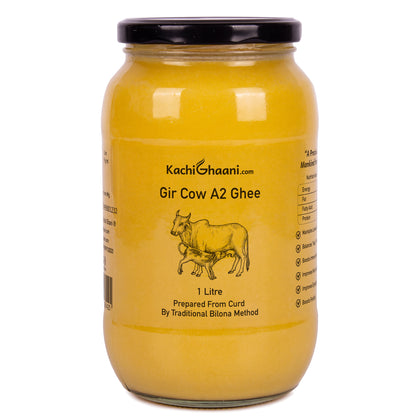
- 1 tbsp (15 g) Gir Cow's A2 Ghee and 1/2 tsp roasted cumin powder, to finish
- 3 green chillies, slit
Quantities are scaled up. Taste as you go and adjust the salt and spice.
Shop this recipe
Everything you need, from our press house
Durga Puja, mid morning, and the bhog is being cooked in aluminium pots wide enough to bathe a child in. The panch phoron goes into smoking mustard oil and cracks all at once, and that sharp pungency catches everyone at the back of the throat for a second before it settles into something warm and nutty. Then the vegetables go in, one basket after another, and nobody adds a drop of water. Forty minutes later the pumpkin has melted, the radish has gone soft and sweet, the potato holds just enough shape to pick up on a spoon, and the whole pot smells of fenugreek. It is served next to khichuri on a shaal pata plate, and people come back for a second helping of the labra, not the khichuri.
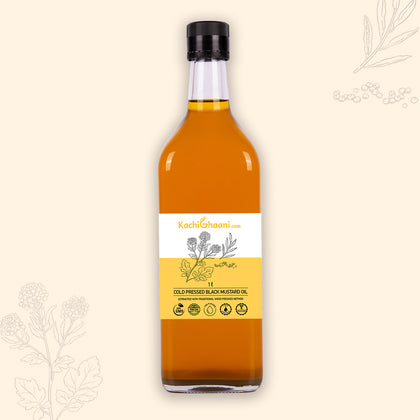
Labra is a dish of vegetables and almost nothing else, so the oil is half the taste. Our wooden cold pressed black mustard oil is unrefined and pressed cold in a wooden ghaani, which is why it still has its full pungency instead of the flat smell of the refined kind. Heat it to smoking point, let it sit off the flame for half a minute to take the raw edge off, and it becomes the backbone of the pot. A spoon of Gir Cow's A2 Ghee stirred in at the very end lifts everything and makes it smell like bhog.
The one rule that makes or breaks labra: add no water. Every vegetable in the pot is full of it. Cut them into large, rough pieces, layer the hard ones at the bottom and the soft ones on top, cover the pot, keep the flame low, and let them steam in their own juice. Add water and you get a watery mixed sabzi. Trust the pumpkin and it turns into labra.
How to make it
- Cut all the vegetables large and rough, roughly 4 cm pieces. Small dice turns to paste in this dish. Keep the pumpkin separate from the rest, because it goes in first and breaks down fastest.
- Heat the mustard oil in a wide heavy pot until it smokes and turns pale, then lift it off the flame for 30 seconds so the raw sting settles. Return it to medium heat.
- Add the bay leaves and dried red chillies, then the panch phoron. It will crackle and jump within 10 seconds. As soon as the fenugreek seeds in it start to colour, move on, because burnt methi turns the whole pot bitter.
- Add the ginger paste and slit green chillies and fry for one minute. Stir in the turmeric and stone-ground red chilli powder with 2 tbsp water and cook 30 seconds.
- Put in the hard vegetables first: potato, sweet potato, radish and raw banana. Turn them in the oil for 4 to 5 minutes until every piece is yellow with turmeric.
- Add the beans, brinjal and pumpkin on top with the salt and sugar. Do not stir hard, and do not add any water. Cover tightly and cook on low for 20 minutes.
- Open and fold gently from the bottom with a flat spoon. The pumpkin should be soft enough to crush against the side of the pot. Crush about a third of it, which is what thickens labra and holds it together.
- Cover again and cook another 10 to 15 minutes on low, folding once, until the potatoes are done and the mixture is thick with almost no liquid at the bottom.
- Switch off. Stir in the ghee and roasted cumin powder, cover for 5 minutes, and serve hot next to khichuri.
Tips
- No water, ever. If your pot is thin and things are catching, lower the flame and add a splash of water down the side just once. A heavy-bottomed pot with a tight lid is the real answer.
- Crush a little pumpkin. This is the difference between labra and any mixed sabzi. It gives the dish its thick, clinging body without any flour or paste.
- Watch the methi in the panch phoron. Fenugreek burns before the other four seeds do. If it goes dark brown, throw the tempering away and start again. It is cheaper than a bitter pot.
- Bori, if you have them. Fry a handful of sun-dried lentil bori in the mustard oil first and stir them in at the very end so they stay crunchy. Very common in Bengali homes.
- It keeps well. Labra tastes better after a few hours and holds for two days in the fridge. Warm it covered, on low, without adding water.