Medu Vada
Dark gold and craggy outside, white and airy inside, dropped hot into sambar or eaten with coconut chutney. The crunch only lasts twenty minutes, so fry and eat.

Ingredients
Serves 4
- 1 cup (200 g) urad dal, whole white or split
- 3 to 4 tbsp ice-cold water, for grinding
- 1 tsp black peppercorns, coarsely crushed
- ½ tsp cumin seeds
- 1 tsp ginger, chopped fine
- 1 green chilli, chopped fine
- 12 to 15 curry leaves, chopped
- ¼ tsp hing (asafoetida)
- 1 tsp salt, or to taste
- 2 tbsp onion, chopped very fine, optional
- 2 tbsp rice flour, only if the batter is loose
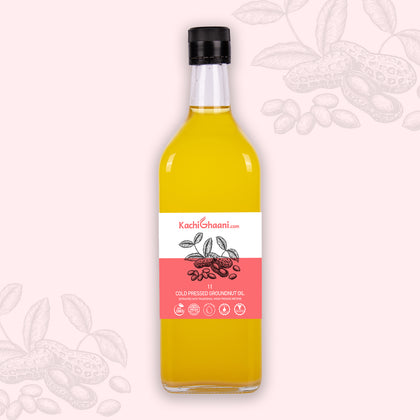
- 500 ml Cold Pressed Groundnut Oil, for deep frying
Quantities are scaled up. Taste as you go and adjust the salt and spice.
Shop this recipe
Everything you need, from our press house
A Tamil tiffin plate at eight in the morning: two idlis, a mound of chutney, and one vada sitting in the sambar going soft at the bottom while the top stays crisp. In homes it is ulundu vadai, made for weddings and festivals and any morning worth the trouble. The batter is patted flat on a wet palm, a hole pushed through with a wet thumb, and slid off the edge of the hand into the oil. There is no other way that works.
The frying oil matters more here than in almost any other dish, because the vada takes its taste from it. We use wooden cold pressed groundnut oil, pressed slowly in small batches, because it holds a steady 180C through a full batch without darkening and leaves a clean roasted-peanut note that lets the urad dal, pepper and curry leaf come through. It is unrefined, so keep the flame at medium rather than pushing it hard.
The one thing that decides this vada is water. Grind the dal with three or four tablespoons of ice-cold water and not a drop more, in short bursts, until the batter is thick and fluffy and holds a peak like soft dough. A loose batter spreads in the oil, drinks it and comes out heavy. Do the float test before you fry.
How to make it
- Rinse the urad dal in 3 or 4 changes of water and soak in plenty of fresh water for 4 hours. Do not soak longer than 5 hours, the dal turns slimy.
- Drain the dal completely in a colander for 10 minutes. Wet dal means wet batter, and wet batter is the whole problem.
- Grind the dal in a mixer in short bursts, adding the ice-cold water 1 tbsp at a time. Stop and scrape down often. You want a smooth, thick, fluffy batter that holds a peak, like soft dough. Use 4 tbsp of water at most.
- Do the float test. Drop a small spoon of batter into a bowl of water. If it floats on top, it is ready. If it sinks, beat the batter hard with your hand for 2 to 3 minutes to whip air into it, then test again.
- Fold in the pepper, cumin, ginger, green chilli, curry leaves, hing, salt and onion if using. Mix only until combined. Add the salt just before frying, it thins the batter if it sits.
- Heat the groundnut oil in a kadhai on medium until a drop of batter rises to the surface in about 3 seconds, around 180C. Too cool and the vadas soak oil, too hot and they brown outside while the middle stays raw.
- Wet your palm, take a lemon-sized ball of batter, pat it into a flat round on your palm, and make a hole in the centre with your wet thumb. Slide it off the edge of your palm into the oil.
- Fry 3 or 4 at a time for 4 to 5 minutes, turning once or twice, until they are deep golden and the bubbling around them slows down. Lift onto a rack or paper.
- Serve hot with sambar and coconut chutney. They lose their crispness within 20 minutes, so fry in batches and eat as they come.
Tips
- The fix for the commonest mistake: if the batter is too loose to shape, do not add more water and hope. Stir in 2 tbsp rice flour or fine rava, rest it 10 minutes, and it will hold. Better still, chill the batter for 20 minutes first.
- Shaping without a mess: pat the vada on a square of wet banana leaf or a greased plastic sheet instead of your palm, then slide it in. Wet your fingers before every single vada.
- Make ahead: the ground batter keeps 1 day in the fridge without the salt and additions. Bring it to room temperature and beat it well before frying.
- Strain the leftover frying oil through a cloth once it has cooled, store it in a clean jar and use it for cooking within a week or two. Do not deep fry in it a third time.
- To fry fewer vadas, halve the dal but keep the same soak time. Batters below half a cup do not grind well in most home mixers.