Sabudana Khichdi
Glassy separate pearls, coarse crushed peanuts, soft potato cubes and a squeeze of lemon. Not one sticky lump, which is the only thing anybody actually cares about.

Ingredients
Serves 3
- 1 cup (200 g) sabudana (sago pearls), the medium-sized ones
- ¾ cup water, for soaking, plus more for washing
- ½ cup (75 g) raw peanuts
- 3 tbsp Gir Cow's A2 Ghee
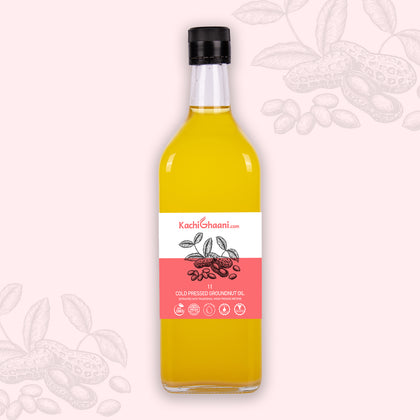
- 3 tbsp Cold Pressed Groundnut Oil, optional, in place of the ghee
- 1 tsp cumin seeds
- 2 green chillies, chopped fine
- 10 curry leaves
- 1 medium potato, cut into small cubes
- 1 tsp sugar
- 1 tsp sendha namak (rock salt), or to taste
- Juice of half a lemon
- 3 tbsp fresh coriander, chopped
- 2 tbsp fresh grated coconut, to serve
- Thick curd, to serve, optional
Quantities are scaled up. Taste as you go and adjust the salt and spice.
Shop this recipe
Everything you need, from our press house
An ordinary Tuesday in Pune, no fasting involved, and it is on the counter at the breakfast place anyway with a bowl of curd beside it. On upvas days it does the real work, at Ashadhi Ekadashi and Mahashivratri and through Navratri. The pearls have turned translucent, the crushed peanuts are coarse enough to feel, there is one green chilli and a squeeze of lemon and grated coconut on top. It is scooped, not spooned.
Ghee is the traditional fat for a fasting dish and it makes a real difference here. Gir Cow's A2 Ghee, made the bilona way, coats each pearl and gives it a nutty, milky richness that oil cannot copy, and cumin blooms better in it. If you want it lighter, wooden cold pressed groundnut oil is the other Maharashtrian choice, and it sits naturally beside the peanuts already in the dish.
Everything here comes down to the soak. Wash the sabudana under running water until it runs clear, then soak it in water that sits barely half a centimetre above the pearls, and drain it fully for fifteen minutes. Too much water and you get one sticky lump, and no technique later will separate it.
How to make it
- Put the sabudana in a colander and wash under running water for a full minute, rubbing the pearls between your fingers, until the water runs clear. This washes off the loose starch that makes khichdi sticky.
- Tip into a wide, shallow bowl. Add just enough water to sit about half a centimetre above the pearls, roughly ¾ cup. Cover and soak for 4 to 5 hours, or overnight.
- Drain in a colander for 15 minutes. Test one pearl by pressing it between your thumb and finger. It should squash easily with no hard white dot in the middle. If there is one, sprinkle a little water, cover, and wait another hour.
- Dry roast the peanuts on medium-low for 5 to 6 minutes till the skins darken and crack. Cool, rub off the skins, and crush coarsely in a mortar. Keep it coarse, not powdered.
- Add the crushed peanuts, sugar and rock salt to the drained sabudana and toss gently with your fingers till every pearl is coated and separate. Do this now, not later.
- Heat the ghee in a kadhai on medium. Add the cumin and let it sizzle. Add the green chillies and curry leaves.
- Add the potato cubes with a pinch of salt. Cover and cook on low for 6 to 7 minutes, stirring twice, till the cubes are tender and lightly golden.
- Turn the heat to medium and add the sabudana. Toss gently, do not stir hard. Cook for 4 to 5 minutes, uncovered, until the pearls turn translucent and glassy. Stop there.
- Switch off. Add the lemon juice and coriander and fold once. Serve hot with grated coconut on top, and a bowl of curd on the side.
Tips
- The commonest mistake is overcooking. The moment the pearls go from white to see-through, take the pan off the heat. Cook them longer and they turn into a chewy, rubbery mass that will not recover.
- Make ahead: soak the sabudana and roast and crush the peanuts the night before. The cooking itself takes 15 minutes in the morning.
- Substitution: for a lighter khichdi, use 3 tbsp Cold Pressed Groundnut Oil instead of ghee. Both are traditional in Maharashtra.
- Storage: best eaten fresh. Leftovers keep a day in the fridge. Sprinkle a little water, cover, and warm on low for 3 minutes to bring the pearls back.
- Use sendha namak if you are cooking this for a fast. Ordinary salt is fine on any other day.