Sabudana Vada
A rough golden shell you can hear break, then soft sago inside with halves of crushed peanut in it. Cold thick curd on the side to cut the chilli.

Ingredients
Serves 4
- 1 cup (180 g) sabudana (sago), medium pearls
- About 3/4 cup (180 ml) water, for soaking
- 3 medium potatoes (300 g), boiled whole in their skins, peeled, cooled and grated
- 3/4 cup (110 g) peanuts, roasted and crushed coarse
- 3 green chillies and 1 inch ginger, pounded together
- 1/2 tsp cumin seeds
- 1 tsp salt (use sendha namak for a fast)
- 1 tsp sugar
- 1 tbsp lemon juice
- 3 tbsp coriander leaves, chopped
- 2 tbsp rajgira (amaranth) flour, only if the mix feels loose
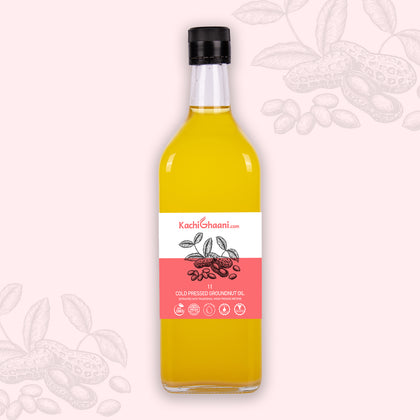
- 500 ml Wooden Cold Pressed Groundnut Oil, for deep frying
- 1 cup (250 g) thick curd, chilled, to serve
Quantities are scaled up. Taste as you go and adjust the salt and spice.
Shop this recipe
Everything you need, from our press house
Rain all afternoon in Pune, and by five the whole lane smells of peanuts roasting. Sabudana vada is upvas food, but nobody eats it only because they are fasting. The patty goes into the oil flat and pale, and four minutes later it comes out with a rough golden shell you can hear from across the room. Break one open. Inside it is soft, slightly sticky, full of coarse peanut halves and bits of green chilli, and it wants cold thick curd next to it more than it wants any chutney.
Sabudana drinks oil, which means the oil you fry it in has to be one you would happily eat a spoon of. Wooden cold pressed groundnut oil holds 170 to 175C steadily and its own roasted-groundnut smell sits neatly inside a vada that is already built on peanuts, instead of arguing with it. It is unrefined and not deodorised, so it will smoke sooner than refined oil. Keep the flame at medium, let it come up slowly, and it will take batch after batch without turning heavy.
One thing ruins sabudana vada, and it is water. Sabudana khichdi wants every pearl loose and separate. A vada wants the opposite, pearls that have softened enough to hold hands, with no free water anywhere in the mix. Drain the soaked sago in a colander for thirty minutes. Boil the potatoes whole in their skins so they do not take on water, and cool them before they go in. A wet mixture spreads in the oil, drinks it, and falls apart.
How to make it
- Rinse the sabudana in a bowl of water, rubbing it between your palms, and drain. Do this 3 or 4 times until the water runs clear and no starch clouds it. This one step does most of the work.
- Add water so it sits just level with the surface of the sabudana, about 3/4 cup. Cover and soak 5 hours or overnight. It is ready when a pearl mashes to a floury paste between your thumb and forefinger with no hard white dot in the middle.
- Tip the soaked sabudana into a colander and leave it 30 minutes so every drop of loose water drains away. Do not skip this.
- Roast the peanuts on a dry tawa on low for 6 to 7 minutes until the skins split and they smell sweet. Cool, rub off the skins, and crush coarse in a mortar. Half the peanuts should still be in visible pieces.
- Mix the drained sabudana, grated potato, crushed peanuts, ginger-chilli paste, cumin, salt, sugar, lemon juice and coriander. Press it together with your hand. It should hold a shape without cracking. If it feels wet or slack, work in the rajgira flour a spoon at a time.
- Divide into 12 balls, flatten each into a patty about 1 cm thick and 6 cm across, and smooth the edges with a wet palm so there are no cracks for the oil to get into.
- Heat the oil on medium to about 172C. A pinch of the mixture should sink, then rise within 4 seconds with a steady ring of bubbles. If it browns instantly the oil is too hot and the inside will stay raw.
- Slide in 4 patties. Leave them alone for the first 2 minutes so the outside sets, then turn once. Fry 5 to 6 minutes in all until deep gold and firm, with the bubbling slowed right down.
- Lift onto a rack. Rest a minute between batches so the oil comes back to temperature, and serve hot with chilled thick curd and green chutney.
Tips
- Boil the potatoes whole, in their skins. Cubed potatoes boiled in open water carry that water into the mixture and that is where most broken vadas come from.
- Test one vada first. Fry a single patty before you shape the rest. If it spreads or comes apart, add 2 tbsp rajgira flour to the mixture and try again.
- Do not over-soak. Sabudana left in too much water swells to mush and no flour will bring it back. Water level with the pearls, never above.
- Fast-day version: use sendha namak instead of table salt, and rajgira or singhara flour for binding. Both are widely sold and neither is anything we make.
- Keep the flame at medium. Unrefined oil smokes earlier than refined. Steady medium heat gives you a crisp shell and a cooked centre without pushing the oil past where it wants to go.