Sakkarai Pongal
Dark, soft, jaggery-sweet rice with fried cashews on top and ghee that pools in the little craters where the spoon has been.

Ingredients
Serves 6
- 1/2 cup (100 g) raw rice, short grain
- 4 tbsp (50 g) yellow moong dal
- 3 cups (720 ml) water, for pressure cooking
- 1 cup (200 g) organic jaggery, grated or broken small
- 1/2 cup (120 ml) water, for the syrup
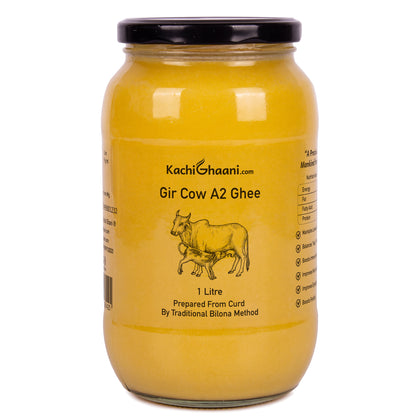
- 5 tbsp (70 g) Gir Cow's A2 Ghee
- 15 cashew nuts, broken in half
- 1 tbsp raisins
- 1/2 tsp cardamom powder, freshly crushed
- 1 small pinch edible camphor (pachai karpooram)
- 1/4 tsp nutmeg powder
- 1/4 tsp dry ginger powder (sukku), optional
- 1/4 cup (60 ml) milk, optional, for a softer pongal
Quantities are scaled up. Taste as you go and adjust the salt and spice.
Shop this recipe
Everything you need, from our press house
Pongal morning in January, still dark outside. A clay pot on a wood fire in the courtyard, milk climbing the sides, and the shout goes up as it boils over. Later comes the sweet one. Rice and moong dal, cooked until they lose their edges, stirred into hot jaggery syrup until the whole thing turns the colour of dark honey. Ghee goes in a spoon at a time and disappears, then goes in again. Cashews fried gold sit on top. A pinch of edible camphor is added last, and that one small pinch is why every temple in Tamil Nadu smells the way it does. Served warm on a banana leaf, it is soft enough to eat without teeth, and the ghee pools in the little craters where the spoon has been.
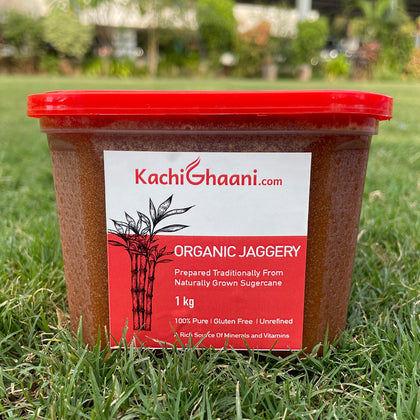
This dish rests entirely on two of our products. Organic jaggery brings a mineral, slightly smoky sweetness that white sugar cannot give, and it is what makes the pongal go dark instead of staying pale. Gir Cow's A2 Ghee, churned the bilona way from cultured curd, has a nutty, faintly cheesy note that meets the jaggery halfway. Ghee is also what keeps the pongal from setting into a solid block as it cools, because the fat coats the rice grains and keeps them separate. Four tablespoons is not generous here; it is the correct amount.
The step that decides this dish is the jaggery syrup. Melt the jaggery in water, strain it through a cloth to take out the grit and cane fibre, then bring it back to a boil before the rice goes in. If you drop raw jaggery into cooked rice, it will not dissolve evenly and you will get sweet patches and plain patches. And never add the jaggery before the dal is fully soft, because sugar stops rice cooking dead.
How to make it
- Dry roast the moong dal in a kadhai on medium heat for 3 to 4 minutes, until it turns a shade darker and smells nutty. This roasting is what gives sakkarai pongal its background aroma, so do not skip it.
- Wash the roasted dal together with the rice, two or three changes of water. Drain.
- Pressure cook the rice and dal with 3 cups of water for 5 to 6 whistles, then leave it on the lowest flame for 5 minutes. Let the pressure drop on its own. The grains should be completely broken down and mushy, not separate.
- Mash the cooked rice and dal with the back of a ladle until it is soft and even. Add the milk here if you are using it, and keep it warm.
- Put the jaggery and 1/2 cup water in a heavy pan on medium heat. Stir until it dissolves completely, about 4 minutes. Do not cook it to any thread stage; you only need it melted.
- Strain the syrup through a fine sieve or a clean cloth into a wide vessel. There is always grit and fibre at the bottom, and this is the only way to get it out. Put the strained syrup back on the flame and bring it to a boil.
- Tip in the mashed rice and dal. Stir hard with a flat ladle to bring it together. It will look loose at first. Cook on low for 6 to 8 minutes, stirring often and scraping the base so it does not catch.
- Add 3 tbsp of the ghee, one spoon at a time. Each spoon will vanish into the pongal and it will get glossier and darker. It is ready when it holds together and pulls away from the sides for a moment when you stir.
- Heat the remaining 2 tbsp ghee in a small pan. Fry the cashews until golden, about 2 minutes, then the raisins for 20 seconds until they puff. Pour the lot, ghee and all, into the pongal.
- Switch off. Stir in the cardamom, nutmeg, dry ginger and the pinch of edible camphor. Use camphor with a very light hand; more than a pinch will make it taste sharp and chemical instead of temple-like.
- Serve warm, on a banana leaf if you have one, with an extra half spoon of ghee on top.
Tips
- Always strain the jaggery syrup. Even clean-looking jaggery carries sand and cane fibre. Straining takes two minutes and saves the whole pot.
- Cook the rice softer than you think. Sakkarai pongal should have no distinct grains left. If it looks like rice, it is undercooked.
- Edible camphor is not optional in Tamil Nadu, but it is powerful. A pinch the size of a matchhead is enough for this quantity. It is what gives temple prasadam its unmistakable smell.
- It thickens a lot as it cools. Take it off the heat while it still looks slightly loose. To reheat, add a splash of hot milk and a spoon of ghee and warm it gently.
- How it differs from ven pongal: ven pongal is the savoury one, with pepper, cumin, ginger and cashews. Same rice and dal, entirely different dish. Do not use the ven pongal proportions here; this one needs more water and much softer cooking.
- We do not sell rice, dal, cashews or camphor. Buy edible camphor from a South Indian provision shop and keep it sealed, because it evaporates in an open jar.