5 everyday tadka combinations — and which oil each one wants

A tadka lasts thirty seconds, and most of the dish is decided inside it. The oil is not a bystander in those thirty seconds — it sets how hot you can go, how the spices open, and what the first spoonful tastes like. Different tadkas genuinely want different oils, and the pairings below are not our invention: they are how these dishes have been made for generations, with the smoke-point arithmetic that explains why the tradition is right.
1. Arhar dal — ghee, jeera, hing, dried red chilli
The classic North Indian finish. Melt a spoon of ghee, let the jeera go deep brown — a shade darker than instinct suggests — add the dried red chilli, then the hing off the heat, and pour the whole thing over the dal so it hisses. A clove of crushed garlic between the jeera and the chilli turns it into the dhaba version.
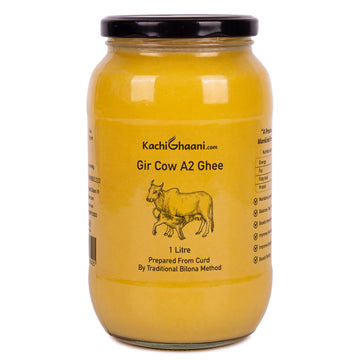
Ghee earns this job twice over. At 250°C / 482°F it has more heat headroom than any tadka will ever use, so the jeera browns without the fat breaking. And the aroma of a curd-churned ghee is itself an ingredient — on a plain arhar dal it is most of the flavour. Gir Cow A2 ghee is the one we make, hand-churned from cultured curd.
2. Poha and upma — groundnut oil, rai, curry leaves, peanuts
Maharashtra's breakfast tadka. Warm the groundnut oil on a medium flame, crackle the rai, add curry leaves and raw peanuts, then the onion before the leaves scorch.
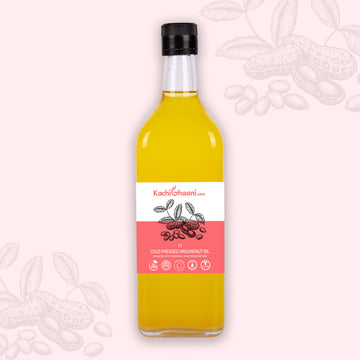
Truly Cold Pressed groundnut oil sits at about 180°C / 356°F, so the flame discipline still matters: let the seeds tell you the pan is ready — they crackle well before the oil smokes — and do not walk away. Its round, nutty base is exactly what poha wants, and it is why groundnut oil is our best-selling bottle for everyday cooking.
3. Rasam, sambar and curd rice — gingelly oil, mustard seeds, urad dal, curry leaves
South of the Vindhyas, the tempering oil is gingelly — unrefined sesame. Heat it on a medium flame, pop the mustard seeds, let the urad dal turn gold, then curry leaves in last — they spit, and that spit is the flavour arriving.
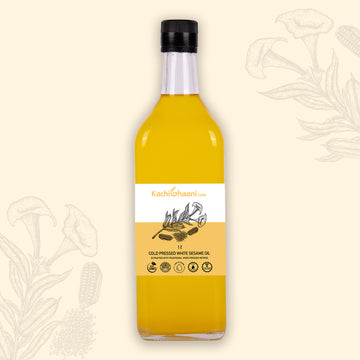
Truly Cold Pressed white sesame oil holds 177°C / 350°F, comfortable for a tempering that never needs more than a steady medium flame. Its gentle sesame perfume is the background note of rasam and curd rice — swap in a neutral oil and something is missing that you cannot quite name.
4. Saag and Bengali chorchori — black mustard oil, panch phoron
The eastern tadka. Mustard oil is the one oil with its own opening ritual: heat it once until it just smokes, take it off for a moment to calm, then return it to the flame and add the panch phoron — fenugreek, kalonji, jeera, rai and saunf, whole.
That first-smoke step is tradition worth keeping — it mellows the raw pungency so the spices land on a rounder base. With 250°C / 482°F of headroom, black mustard oil has room to spare for the ritual, and its sharp nose is the whole point of a chorchori or a sarson ka saag finish.
5. Everyday sabzi — yellow mustard oil, jeera or rai, hing
For aloo-beans, bhindi and the daily rotation, yellow mustard oil is the quiet sibling: the same 250°C headroom as black, the same first-smoke ritual if you want it, but a gentler nose that does not argue with every vegetable. Crackle jeera or rai, a pinch of hing, and the sabzi goes in. Households that find black mustard loud usually settle here — both live in our cold pressed mustard oil collection.
Which oil takes which flame?
| Oil | Smoke point | Tadka verdict |
|---|---|---|
| A2 Gir cow ghee | 250°C / 482°F | Any tadka, any flame |
| Black mustard | 250°C / 482°F | Any tadka; first-smoke ritual applies |
| Yellow mustard | 250°C / 482°F | Any tadka, gentler nose |
| White sesame | 177°C / 350°F | Medium flame, never roaring |
| Groundnut | about 180°C / 356°F | Medium flame, stay at the stove |
Three rules that save every tadka
- Let the seeds read the temperature for you. Rai crackling, jeera fizzing gently around the edges — that is ready. Oil smoking is past ready for every oil except mustard, where one deliberate first smoke is the tradition, done once.
- Hing and curry leaves go in last. Both burn in seconds. Hing wants two seconds in hot oil, not twenty; curry leaves want to spit and stop.
- Off the flame before you pour. The tadka keeps cooking in the ladle. Pulling it off ten seconds early is the difference between deep brown jeera and bitter black jeera.
What about the oils we did not name?
Coconut oil earns an honourable mention: at 177°C / 350°F it happily runs the Kerala tempering — mustard seeds, curry leaves, dried red chilli over a thoran — and if that is your kitchen, it is your fifth oil. The rest of the shelf stays away from the tadka pan on purpose. Kardai and flaxseed smoke at about 107°C / 225°F, far below any tempering; almond and kalonji are raw-use bottles altogether. That is not a shortcoming — they were never meant for the flame, and we would rather say so than watch a good bottle burn.
None of this needs a thermometer. It needs the right bottle next to the stove for the dish you cook most — and the honesty to keep the low-heat oils away from the loud flames. That is the whole science of a good tadka, and your grandmother ran it without ever once calling it science.