How to use body oil: damp skin, dry skin and which oil
How to use body oil: press it onto damp skin within minutes of a warm shower. Here is how much to use, how oil compares with lotion, and how to choose between safflower, almond, sesame and coconut.

Use body oil on damp skin, within a few minutes of a short, warm shower or bath. Pat yourself half dry, warm a few drops between your palms and press them into your arms, legs and body. Oil adds no water to skin; it slows the loss of the water already there, which is why damp skin matters.
That one habit, oil on damp skin rather than dry, is most of what there is to know about how to use body oil. It is the difference between an oil that feels greasy and does little and one that leaves skin feeling soft for hours. Dermatologists give the same timing advice for any moisturiser. The rest is choosing an amount and an oil that suit your skin and your weather.
At a glance
- Best time: straight after a 5 to 10 minute warm shower, while the skin is still damp.
- How much: about 1 to 2 teaspoons (5 to 10 ml) for arms and legs, a little more for very dry winter skin.
- Light oils: safflower and almond. A warm, richer oil: sesame. Very rich and best for the body only: coconut.
- No need to rinse it off; blot any excess with your towel after a few minutes.
- Patch test a new oil first, and wipe your feet and the shower floor, because oil makes tiles slippery.
How to use body oil: on damp skin, not dry
Press it onto damp skin. The American Academy of Dermatology advises applying moisturiser while the skin is still damp, immediately after you pat dry, and keeping baths and showers to 5 to 10 minutes in warm, not hot, water.
The reason is simple. The outer layer of skin holds water and loses some of it to the air all day. Oil forms a thin film that slows that loss. Press oil onto damp skin and you seal in water from the shower. Smooth it onto bone-dry skin and there is less water to keep, so the oil sits on top and feels greasy.
Body oil after a shower, step by step
- Shower for 5 to 10 minutes in warm water. Very hot water strips the skin's own oils.
- Turn off the water and pat, do not rub, with a towel. Leave the skin slightly damp.
- Pour about half a teaspoon of oil into your palm and rub your hands together to warm it.
- Press and glide it over one area at a time: long strokes on arms and legs, small circles on elbows, knees and heels.
- Repeat until you are covered, adding a few drops at a time rather than a big pour.
- Wait two to three minutes, blot any shine with your towel, then dress.
- Wipe the soles of your feet and the floor before you step out.
For very dry or cracked heels, our overnight oil routine for cracked heels goes a step further.
Body oil vs lotion: which is better?
Neither is better in every case, because they do different jobs. Lotion is mostly water with some oil, so it adds a little water and sinks in quickly. Body oil adds no water but seals well. Creams sit in between, and the AAD notes that creams and ointments are more effective than lotions for dry skin.
| Body oil | Lotion | Cream | |
|---|---|---|---|
| What it is | Pure oil, no water | Mostly water, some oil | A thicker mix of oil and water |
| Feel | Silky, a little shiny at first | Light, absorbs fast | Rich, slower to absorb |
| Works best on | Damp skin straight after a shower | Normal skin, humid weather | Very dry or rough skin |
| Usually contains | Can be a single ingredient | Water, emulsifiers, preservatives | Water, emulsifiers, preservatives |
Many people combine them: a few drops of oil mixed into a palmful of fragrance-free cream, or oil on damp skin in the morning and cream at night. If your skin is very dry, itchy or cracked, a cream your dermatologist suggests may be the better base, with oil as an extra.
What is the best body oil for dry skin?
For very dry skin in winter, a richer oil such as sesame or coconut feels most comforting on the body. For everyday use, or in hot and humid places like Mumbai, Dubai or Singapore, lighter oils such as safflower and almond sink in faster.
The type of fat matters too. A 2018 review of plant oils and the skin barrier notes that linoleic acid, an omega-6 fat, helps keep the skin's water barrier intact, while olive oil, which is high in oleic acid, increased water loss through the skin of adult volunteers. Safflower oil is about 70% linoleic acid. Almond oil leans towards oleic acid; most people use it happily, but if your skin is eczema-prone, a linoleic-rich oil may be the gentler pick, and your dermatologist's advice comes first.
| Oil | Feel | Good for | Keep in mind |
|---|---|---|---|
| Safflower | Light, absorbs quickly | Daily use, summer, humid climates, normal to combination skin | Rich in linoleic acid; store it cool, as it turns rancid faster in heat |
| Almond | Light to medium, smooth | Daily use and dry patches; a classic after-bath oil | A tree nut, so skip it if you are allergic |
| White sesame | Medium, warming | Winter dryness; the classic Ayurvedic body oil | Sesame allergy is common, so patch test |
| Coconut | Rich; solid below about 24°C (75°F) | Very dry arms, legs and feet | Can block pores on the chest and back of people prone to breakouts |
Sesame is also the traditional oil for abhyanga, the Ayurvedic oil massage, which is done before a bath rather than after. For an oil matched to your constitution, see our guide to massage oils for vata, pitta and kapha.
Should body oil be rinsed off?
Not when you use it as a moisturiser after a shower; it is meant to stay on. Blot the excess after a few minutes so it does not mark your clothes. The exception is a pre-bath massage such as abhyanga, where you oil generously, rest for 15 to 30 minutes and then bathe it off with warm water and a mild cleanser.
Silk and pale cotton can pick up oil marks, so give the oil a few minutes before you dress, or keep an old robe for the purpose.
Can body oil be used every day?
Yes, for most people. Use more in dry winter months and less in humid summers, when a few drops on the shins and elbows may be all you need. If you notice small itchy bumps, redness or breakouts on oiled areas, stop for a week and switch to a lighter oil or a cream.
Almond oil is a favourite for hair and face as well; our piece on almond oil for skin and hair weighs up what it can and cannot do.
Who should be careful
- Allergies: almond is a tree nut and sesame is a common allergen. Patch test any new oil on the inner forearm and wait 24 hours.
- Eczema, psoriasis or broken skin: ask your dermatologist which moisturiser to use, and keep oil off open cuts and weeping skin.
- Babies: newborn skin is different, so follow your paediatrician's advice.
- Slips: oil on the feet and floor is a real fall risk, especially for older family members. Dry your soles before you walk.
- Sun: body oil is not a sunscreen. Use a proper sunscreen on exposed skin.
Using our oils on your skin
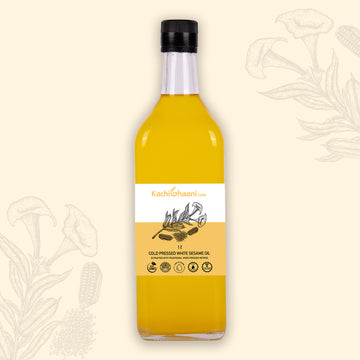
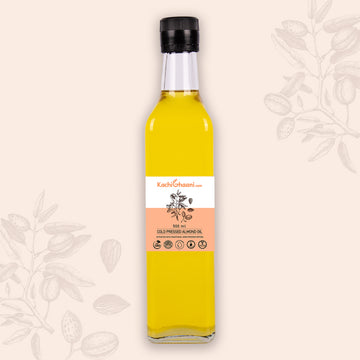
If you want to try it, our Truly Cold Pressed white sesame oil is a warm, traditional choice for winter, while our safflower oil and almond oil feel lighter for daily use. Each is a single ingredient, pressed slowly in a wooden ghaani and left unrefined, so a little sediment is normal. Pour what you need into a small dish so wet hands never touch the bottle, and store it away from heat and light.
The bottom line
Body oil works best as a seal, not a soak: a teaspoon or two pressed onto damp skin straight after a short, warm shower. Pick a light oil for humid days and a richer one for winter, patch test first, and mind the bathroom floor.
Frequently asked questions
Can I use body oil instead of moisturiser?
Yes, on most skin, if you apply it to damp skin straight after a shower. Oil seals in the water from the shower but adds none of its own. If your skin is very dry, itchy or prone to eczema, a cream may suit you better, and you can add a few drops of oil on top for extra comfort.
Does body oil clog pores?
Rich oils such as coconut can block pores in people who are prone to breakouts, especially on the chest, back and shoulders. If that happens, keep oil to your arms and legs, switch to a lighter oil such as safflower, or simply use less. Many people use oil on the body without any trouble.
How long does body oil take to absorb?
On damp skin, a light oil such as safflower or almond settles in within two to five minutes. Richer oils like sesame and coconut can leave a sheen for longer. If you still look shiny after five minutes, you used more than your skin needed, so blot it and use a little less next time.
Can I use body oil on my face?
You can, but the face is fussier than the body. Use only two or three drops of a light oil, skip coconut if you get breakouts, and keep oil away from your eyes. If you have acne or rosacea, ask your dermatologist before adding any oil to your routine.
Should I put body oil on before or after lotion?
If you use both, put the water-based product on first, then seal it with a few drops of oil, the same way oil seals in water from your shower. Or mix a few drops of oil into a palmful of cream and apply them together. Either way, apply to skin that is still a little damp.