Peanut oil allergy: is refined or cold pressed oil safe?
Peanut oil allergy depends on the oil: highly refined peanut oil has almost all its protein removed, while cold pressed, expeller pressed and gourmet oils do not. What that means for labels and eating out.

A peanut oil allergy is really a peanut allergy: reactions come from peanut protein carried in the oil, not from the fat itself. Highly refined peanut oil has almost all of its protein removed, and most people with a peanut allergy do not react to it. Cold pressed, expeller pressed and gourmet peanut oils, ours included, can carry peanut protein and are not safe for anyone with a peanut allergy.
That difference explains why some labels name peanut oil as an allergen and others do not. Peanut allergy can be severe, so the rule here is simple: know exactly which oil it is, and when in doubt, leave it out. Always follow your own allergist's advice.
At a glance
- Allergic reactions are caused by peanut protein, not by the fat in the oil.
- Full refining removes almost all of the protein; pressing alone does not.
- In a 1997 study of 60 peanut-allergic people, none reacted to refined peanut oil, while 6 (10%) reacted to crude, unrefined oil.
- In the US, highly refined peanut oil is exempt from allergen labelling; cold pressed peanut oil is not.
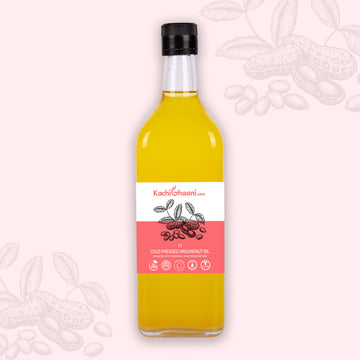
- Our groundnut oil is cold pressed and unrefined. It is not safe for anyone with a peanut allergy.
What causes a peanut oil allergy?
Peanut protein that some oils still carry. A peanut allergy is the immune system overreacting to proteins in the nut. The oil itself is fat, but how much protein comes along with it depends on how the oil is made.
Pressed oil is squeezed from the nut and then settled or filtered, so tiny amounts of protein can stay in it. Refined oil goes through several more steps: it is processed to remove gums, neutralised, bleached and deodorised at high heat. Each step strips out more of the protein, until very little is left. Our guide to how refined oil is made walks through those stages.
Is peanut oil safe for peanut allergy if it is highly refined?
For most people, yes, but ask your allergist first. Highly refined peanut oil contains almost no peanut protein, and studies show that most people with peanut allergy can eat it safely. Almost none is not the same as none, though, which is why allergists decide case by case.
The best-known test is a 1997 study in the BMJ. Sixty people with confirmed peanut allergy were given refined and crude peanut oil in a double-blind challenge, where neither they nor the testers knew which oil was which. Nobody reacted to the refined oil; six of the sixty, 10%, reacted to the crude oil. The authors concluded that crude peanut oil should continue to be avoided.
The US allergy charity FARE puts it the same way: most people with peanut allergy can safely eat highly refined peanut oil, but ask your doctor whether you should avoid it.
One catch: shared frying oil
Even refined oil can pick up peanut protein from food fried in it. If a kitchen fries peanuts, peanut-coated snacks or satay in the same oil as your food, the oil is no longer safe for you.
Is cold pressed groundnut oil an allergen?
Yes. Cold pressed, wood pressed, expeller pressed, extruded and "gourmet" or roasted peanut oils are not highly refined and may contain small amounts of peanut protein. FARE advises that everyone with a peanut allergy should avoid them.
| Type of peanut oil | How it is made | Peanut protein | With a peanut allergy |
|---|---|---|---|
| Highly refined | Extracted, then degummed, neutralised, bleached and deodorised | Almost none | Most people tolerate it; ask your allergist |
| Cold pressed or wood pressed | Pressed slowly, left unrefined | Can be present | Avoid |
| Expeller pressed, or "filtered" in India | Pressed, then only filtered | Can be present | Avoid |
| Gourmet, roasted or aromatic | Pressed from roasted peanuts, unrefined for flavour | Can be present | Avoid |
| Any oil used to fry peanut foods | Shared fryer | Picked up from the food | Avoid |
Note the Indian label word "filtered". Filtered groundnut oil has been pressed and filtered, not refined, so it belongs with the unrefined oils. Our guide to reading an oil label in India explains the other common terms.
What does "highly refined peanut oil" mean on a label?
In the US, it means an oil that the law does not count as a major food allergen. The Food Allergen Labeling and Consumer Protection Act of 2004 lists peanuts as a major allergen but excludes "any highly refined oil" made from one, so a "Contains: peanuts" statement is not required for it. Unrefined peanut oil gets no such exemption.
Rules differ elsewhere. In the UK and the EU, peanuts are one of the 14 allergens food businesses must declare, and there is no special exemption for refined peanut oil like the one given to fully refined soybean oil. In India, packaged foods carry allergen information, but loose food and restaurant cooking often come with no label at all, and groundnut oil is a common cooking oil.
Peanut oil also hides under another name: arachis oil, or Arachis hypogaea oil, in some medicines, creams and cosmetics. If you have a peanut allergy, check those labels too and ask your pharmacist.
Do restaurants have to say if they fry in peanut oil?
It depends on the country, so always ask. In the UK, food businesses must give allergen information for every loose item that contains any of the 14 allergens, on a menu, chalkboard or information sheet, or verbally with a visible notice explaining how to get it. In the US there is no single nationwide rule requiring restaurants to name their frying oil, though some states have allergen-awareness rules. In India, few restaurants are asked to declare their oil.
What to ask when you eat out
- Which oil do you cook and fry in? Is it refined, or cold pressed or filtered?
- Is the frying oil shared with peanuts, peanut-coated snacks or satay?
- Are peanuts, peanut powder or peanut sauces used in this dish or prepared nearby?
- Can you show me the oil's container or label?
- If the answers are unclear, choose another dish, or another restaurant.
Who should take extra care?
- Anyone with a peanut allergy, especially with a history of severe reactions: avoid all unrefined peanut oils, and take your allergist's advice on refined oil.
- Parents of allergic children: many families avoid all peanut oil at home for simplicity. Teach children to ask before eating, and keep any prescribed emergency medicine with them.
- People with tree nut allergies: peanuts are legumes, not tree nuts, but many people are allergic to both. Ask your allergist.
About our groundnut oil
Our Truly Cold Pressed groundnut oil is pressed slowly in a wooden ghaani and left unrefined, which is what keeps its nutty flavour, and also why it can carry peanut protein. Please do not use it in food for anyone with a peanut allergy, and tell guests when you have cooked with it.
The bottom line
Highly refined peanut oil is tolerated by most people with a peanut allergy, while cold pressed, expeller pressed, filtered and gourmet peanut oils are not safe for them. Ask which oil it is every time, and let your allergist make the final call.
Frequently asked questions
Is groundnut oil the same as peanut oil for allergy purposes?
Yes. Groundnut, peanut and arachis are three names for the same plant, Arachis hypogaea. What matters for allergy is not the name but how the oil was made: highly refined, or pressed and left unrefined. Any unrefined groundnut oil carries the same risk as unrefined peanut oil.
Can people with a tree nut allergy use peanut oil?
Peanuts are legumes, related to beans and lentils, not tree nuts like almonds or cashews. Still, many people with a peanut allergy are also allergic to one or more tree nuts, and the other way round. Ask your allergist which foods and oils are safe for you.
Does cooking at high heat make peanut oil safe?
No. Peanut proteins are hardy and are not reliably destroyed by cooking, and some research suggests roasting can make peanut more likely to cause reactions. Safety comes from removing the protein during refining, not from heating the oil in your pan.
Is refined peanut oil safe for children with peanut allergy?
Studies show most people with peanut allergy tolerate highly refined peanut oil, but children are assessed individually, and many families choose to avoid all peanut oil at home for simplicity. Your child's allergist is the right person to make that call.
How can I tell if a peanut oil is refined?
Read the label for the words refined or highly refined. Words such as cold pressed, wood pressed, expeller pressed, filtered, gourmet, roasted or aromatic all point to an unrefined oil. A strong peanut smell and taste also suggest it is unrefined. If you cannot tell, do not use it.
Sources
- Hourihane and colleagues: challenge study of peanut oils in people allergic to peanuts, BMJ, 1997
- US Food and Drug Administration: Food Allergen Labeling and Consumer Protection Act of 2004
- Food Allergy Research and Education (FARE): peanut allergy
- UK Food Standards Agency: allergen guidance for food businesses, 2026