
The everyday shelf
Best For Cooking
- Everyday kitchen staples
- Unrefined, single ingredient
- Lab-tested every batch
- FSSAI 10724999001232
The best cooking oil for an Indian kitchen is not one oil. It is two or three, kept side by side, each doing the job it is actually built for.
No match here — try the Dosha Quiz or compare all the oils. Dosha Quiz · Compare oils
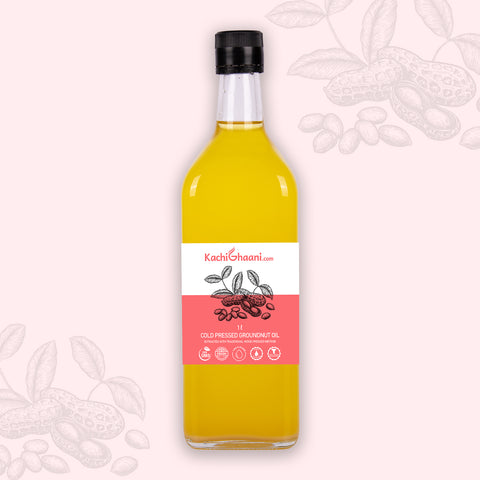
Wooden Cold Pressed Groundnut Oil
Deep frying · sautéing · baking · salads 160°C
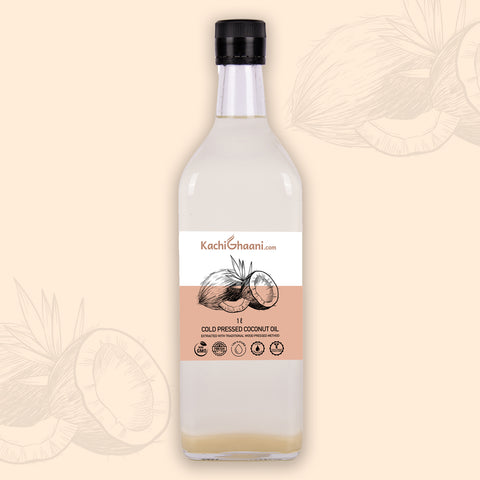
Wooden Cold Pressed Coconut Oil
Everyday cooking & sautéing · skin &... 177°C
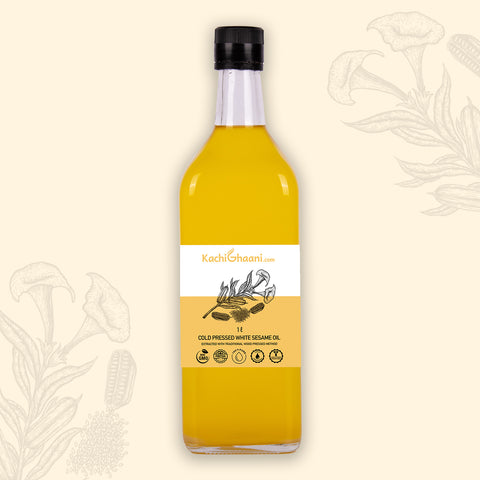
Wooden Cold Pressed White Sesame Oil
Cooking & tadka · pickling · abhyanga m... 177°C
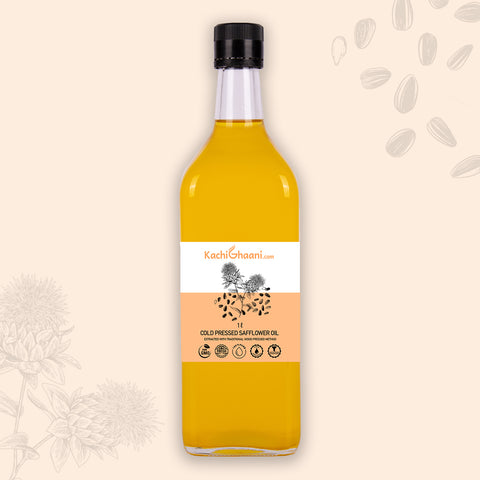
Wooden Cold Pressed Safflower Oil
Light cooking · baking · salad dressings 107°C
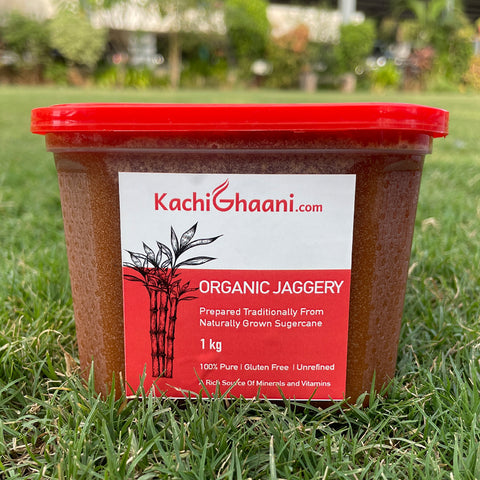
Organic Jaggery
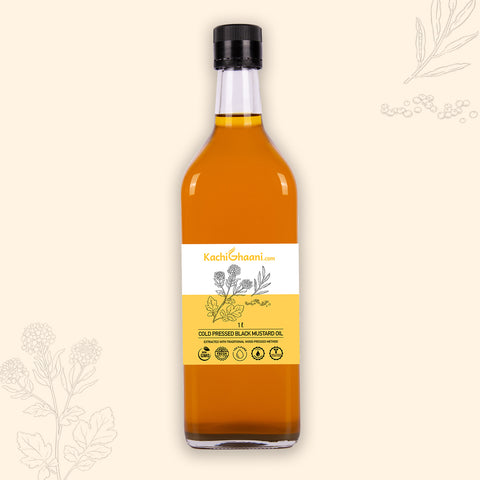
Wooden Cold Pressed Black Mustard Oil
Everyday cooking & frying · pickling · ... 250°C
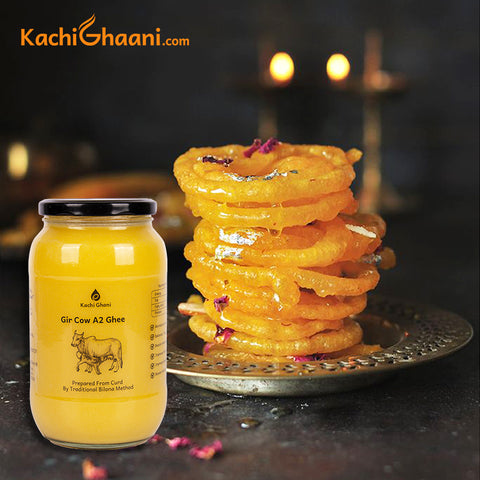
Gir Cow's A2 Ghee
Tadka · rotis & khichdi · festive sweet... 250°C
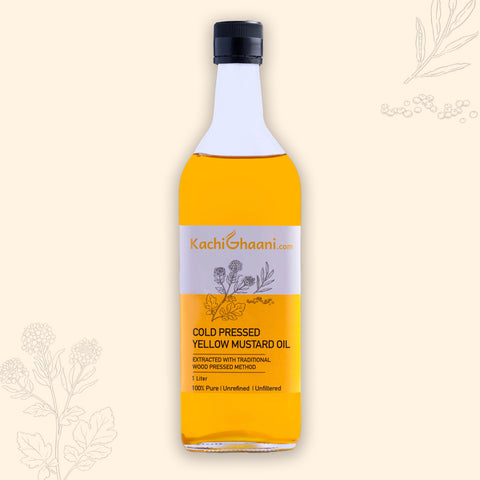
Wooden Cold Pressed Yellow Mustard Oil
Everyday cooking & frying · pickling · ... 250°C
Sold out — fresh batch being pressed
Not sure which oil is yours?
Compare applications, smoke points, doshas and nutrients — or take the 2-minute Dosha Quiz.
How to choose
That is the old way, and Ayurveda names roughly the same shortlist: groundnut, coconut, til, sarso and kardai. Here is how they divide up a week of cooking.
- Groundnut, about 160°C unrefined — the everyday one. Sabzi, tadka, shallow frying. Mildly nutty, never loud.
- Sarso, black and yellow, 250°C — the high-heat pair. Pakoras, puris, achaar, and any tadka you want to smell from the next room.
- White til, 177°C — South Indian cooking, rasam, poriyal, and anything that wants a toasted background note.
- Coconut, 177°C — Kerala and coastal cooking. Pressed from dry kernel.
- Kardai (safflower), about 107°C unrefined — the neutral one, for gentle low-flame cooking and raw use when you want the masala and nothing else to show.
- A2 Gir cow ghee, 250°C — tadka, halwa, festive frying, and a spoon over hot dal.
The oils are all Truly Cold Pressed in wooden ghaanis and unrefined; the ghee is hand-churned from curd, never machine cream. Every batch is lab-tested. Gur sits here too, for the sweet half of the same kitchen.
Down to two bottles? Groundnut oil vs mustard oil for Indian cooking settles it region by region.