Appam with Vegetable Stew
Thin crisp lace at the rim, a thick soft white middle, and a ladle of warm coconut stew poured right into the centre of it.

Ingredients
Serves 4
- For the appam batter (makes about 14):
- 1.5 cups (300 g) raw rice, sona masuri or ponni
- 1/4 cup (30 g) thick poha (flattened rice)
- 1/2 cup (50 g) fresh grated coconut
- 1/2 tsp instant dry yeast
- 2 tbsp (25 g) sugar
- 1/2 tsp salt
- About 1 cup (240 ml) water, for grinding
- 1/2 tsp wooden cold pressed coconut oil, for wiping the pan
- For the vegetable stew:
- 1.5 tbsp wooden cold pressed coconut oil, plus 1 tsp to finish
- 1 inch cinnamon
- 4 cloves
- 3 green cardamom, lightly crushed
- 1 tsp black peppercorns
- 10 shallots (100 g), sliced, or 1 medium onion
- 1 inch ginger, cut into thin strips
- 3 green chillies, slit
- 2 sprigs curry leaves
- 1 large potato (150 g), cut into 2 cm cubes
- 1 carrot (80 g), cut into rounds
- 10 French beans (80 g), cut into 2 cm pieces
- 1/4 cup (40 g) green peas
- 1.5 cups (360 ml) thin coconut milk (second press)
- 1/2 cup (120 ml) thick coconut milk (first press)
- 1/2 cup (120 ml) water
- 1 tsp salt, or to taste
Quantities are scaled up. Taste as you go and adjust the salt and spice.
Shop this recipe
Everything you need, from our press house
Sunday morning in Kottayam. The appachatti is hot, a ladle of white batter goes in, and the pan is swirled once in a quick circle. The batter climbs the sides in a thin film and settles thick in the middle. The lid goes on. Two minutes later it comes off and there it is: a soft white disc with a spongy centre full of tiny holes, and an edge so thin it has gone brown and crisp like a wafer. It is lifted off and dropped on the plate, still puffing steam. Then the stew, pale and warm, with potato and carrot in it, poured into the middle so the soft part soaks and the lacy rim stays crisp. You tear off a piece of the edge first, always.
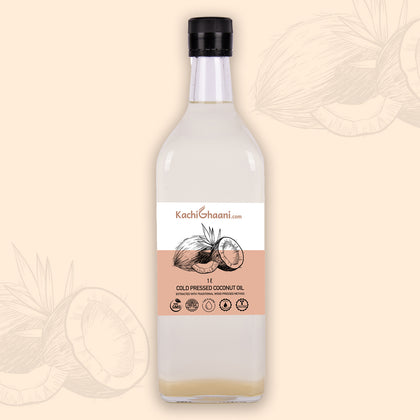
Wooden cold pressed coconut oil is what makes the stew taste like Kerala and not like a mild white curry from anywhere else. It is pressed from copra, dried coconut, in a slow wooden ghaani, which gives it that unmistakable sweet coconut smell. In a stew you use it twice: half a tablespoon at the start for the whole spices, and a final teaspoon poured over the top after the flame is off. That last raw spoon is the whole point. Heat kills the aroma, so the oil that goes in cold is the one you actually smell when the dish reaches the table.
Two things decide whether this works. First, the batter must be thin enough to run when you tilt the pan, roughly like a thin dosa batter, or you will get a thick pancake with no lace. Second, the thick coconut milk goes into the stew only after the flame is off. Coconut milk boiled at full heat splits into oil and grains, and the stew turns from silky to broken in under a minute.
How to make it
- Wash the rice and soak it with the poha in plenty of water for 5 hours. Drain well.
- Grind the soaked rice, poha and grated coconut with about 1 cup of water into a smooth, flowing batter. Rub a little between your fingers; it should feel fine, with only the faintest grain left.
- Warm 2 tbsp water to just above blood heat, stir in the yeast and sugar, and leave 10 minutes until it froths. Mix it into the batter, cover, and leave in a warm place for 3 to 4 hours until the batter has risen by half and is full of bubbles. It will smell faintly sweet and yeasty.
- Start the stew. Heat 1.5 tbsp coconut oil in a heavy pot on medium. Add the cinnamon, cloves, cardamom and peppercorns and let them sizzle for 30 seconds until they smell warm.
- Add the shallots, ginger, green chillies and one sprig of curry leaves. Cook 4 to 5 minutes until the shallots go soft and see-through. Do not let them brown, or the stew loses its white colour.
- Add the potato, carrot and beans with 1/2 cup water and the salt. Cover and cook 6 minutes. Pour in the thin coconut milk, add the peas, and simmer uncovered 8 to 10 minutes until the potato is soft enough to break with a spoon.
- Switch the flame off. Now stir in the thick coconut milk, the second sprig of curry leaves and the last teaspoon of raw coconut oil. Cover and leave it. Do not put it back on the fire.
- Stir the salt into the appam batter and check the consistency. It should coat a ladle thinly and run off in a steady stream. Thin it with a little water or coconut milk if needed.
- Heat the appachatti on medium. Wipe it with a coconut-oil-dipped cloth. Pour in a small ladle of batter, about 1/3 cup, lift the pan by both handles and swirl it once, quickly, in a full circle so the batter coats the sides.
- Put the lid on and cook 2 to 2.5 minutes. It is done when the edges lift away and turn golden and brittle and the middle is set, soft and full of holes. Appam is cooked on one side only, never flipped.
- Slide it onto a plate and serve straight away with the warm stew ladled into the centre.
Tips
- Swirl once, immediately. The batter starts setting the second it touches the pan. One quick confident turn gives you the lace. A second swirl gives you a thick uneven edge.
- No appachatti? Use a small deep kadhai. Any round-bottomed pan with a lid will do the job. A flat tawa will not, because the batter needs the curve to climb.
- Traditional Kerala homes use toddy instead of yeast. If you can get fresh unfermented toddy, use 1/2 cup in place of the yeast and water, and leave the batter overnight.
- Test the pan before the first appam. Flick a drop of water on it; it should sizzle and vanish in about two seconds. Too hot and the batter sets before it spreads; too cool and it goes flat and pale.
- Stew tastes better after resting. Make it thirty minutes ahead and leave it covered. The peppercorns keep releasing heat into the coconut milk.
- We do not sell coconut milk, rice or spices. Fresh first press coconut milk is much better here than the tinned kind, which often boils away to nothing.