Kerala Banana Chips (Upperi)
Wafer-thin pale yellow rounds fried in coconut oil, salted the Kerala way with a spoon of salt water, and so crisp they snap between your fingers.

Ingredients
Serves 6
- 3 large raw nendran bananas (about 600 g), hard and fully green
- 5 cups (1.2 litre) water, for soaking
- 1 tsp turmeric powder, for the soaking water
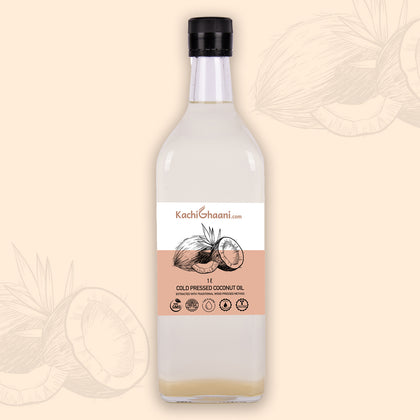
- 500 ml wooden cold pressed coconut oil, for deep frying
- For the salt water:
- 1/2 cup (120 ml) water
- 1 tbsp (18 g) salt
- 1/4 tsp turmeric powder, optional, for a deeper yellow
- A few curry leaves, optional, to fry at the end
Quantities are scaled up. Taste as you go and adjust the salt and spice.
Shop this recipe
Everything you need, from our press house
A chips shop in Thrissur, a week before Onam. A huge shallow brass cheena chatti of coconut oil sits over a wood fire, shimmering. A man holds a green nendran banana in one hand and a curved blade in the other, and shaves paper-thin rounds straight into the oil with a flick of the thumb. They sink, come up, and dance. When they are nearly done he flicks a spoon of salt water into the pan and the whole thing erupts, spitting and crackling like rain on a tin roof, and the smell of coconut oil goes down the street. The chips come out pale yellow, are tipped onto a sheet of paper, and you eat the first one too hot. It snaps clean and tastes of banana, salt and coconut, in that order.
There is only one correct oil for upperi and it is coconut oil. Ours is pressed from copra, dried coconut, in a slow wooden ghaani, which is exactly what the old chips shops in Kerala use. Copra-pressed coconut oil takes deep frying heat better than the fresh-milk kind, and it sets a sweet coconut smell into the chips that stays with them for weeks in the jar. Fry at a steady medium, around 175 degrees, where a slice rises to the surface within three or four seconds. Any hotter and the outside browns before the inside dries out; any cooler and the chips turn heavy and greasy.
Two details make or break this. The bananas must be completely raw with hard green skin, because even slightly ripe ones have sugar in them and will go dark and chewy instead of crisp. And the slices must be dry when they go in. Soak them in turmeric water, then wipe them properly, because water on the slice means an oil explosion and a soft chip.
How to make it
- Mix the 5 cups of water with 1 tsp turmeric in a wide bowl. Cut the ends off the bananas, score the skin lengthwise in three or four places with a knife, and peel the thick skin off with your thumb. Rub a little coconut oil on your hands first if you want to keep them clean.
- Cut each peeled banana into two or three pieces and drop them straight into the turmeric water. Leave them 30 minutes. This takes out the sticky sap and stops the flesh going brown.
- Dissolve 1 tbsp salt in 1/2 cup water and keep it ready in a small bowl with a spoon. Keep a splatter guard or a large lid next to the stove as well.
- Lift the banana pieces out and wipe every one completely dry with a kitchen cloth. They must not be damp. Water in hot oil is dangerous and it also softens the chips.
- Heat the coconut oil in a wide, deep kadhai on medium. Drop in one test slice: it should sink briefly and rise steadily within 3 to 4 seconds, with small bubbles around it.
- Using a mandoline or a banana chips slicer, slice the banana directly over the pan so the rounds fall into the oil. Slice thin, about 1.5 mm. Cutting them in advance lets them turn brown and lose their crispness.
- Fry in small batches. Stir gently with a slotted spoon so they do not stick together. In 4 to 5 minutes the loud bubbling will drop off and the chips will start to feel light and stiff against the spoon.
- Now sprinkle 1 tsp of the salt water over the oil and stand back. The pan will spit hard for a few seconds; cover it partly with the splatter guard. This is the traditional way of salting upperi and it also drives out the last of the moisture.
- Fry another 2 to 3 minutes until the spitting stops completely and the chips are pale straw yellow. Do not wait for them to go brown; a browned banana chip tastes burnt.
- Lift the chips out with a slotted spoon and spread them in a single layer on paper or a wire rack. Throw a few curry leaves into the oil for the last batch if you like, and scatter them on top.
- Cool completely, at least 30 minutes, then store in an airtight jar. They stay crisp for 2 to 3 weeks.
Tips
- Only fully raw nendran will do. Press the banana; if it gives at all, it has started ripening and the chips will be dark and leathery. Green, hard and heavy is what you want.
- Slice straight into the oil. This is how Kerala shops do it and it is not for show. Slices left waiting oxidise, weep starch and stick to each other.
- Get the thickness right. Around 1.5 mm gives a chip that snaps. Thicker slices stay soft in the middle; paper-thin ones brown before they crisp.
- Salt water is the only clean way to salt upperi. Salt sprinkled on afterwards slides straight off a fried chip. Added into the oil, it sticks to every surface.
- Reuse the oil. Let it cool, strain it through a cloth into a jar, and use it for cooking within two weeks. Coconut oil that has fried banana chips is lovely for a thoran.
- We do not sell bananas or a slicer. A cheap steel mandoline works well; just use the hand guard, because raw banana is slippery.