Puttu with Kadala Curry
A warm white cylinder of puttu that crumbles at a touch, and a dark, thick black chana curry that smells of roasted coconut.

Ingredients
Serves 4
- For the puttu:
- 2 cups (250 g) puttu podi (roasted coarse rice flour)
- About 3/4 cup (180 ml) water, at room temperature, added slowly
- 3/4 tsp salt
- 1 cup (100 g) fresh grated coconut, for layering
- For the kadala curry:
- 1 cup (200 g) black chana (kadala), soaked overnight in plenty of water
- 2.5 cups (600 ml) water, for pressure cooking
- 1 tsp salt, for cooking
- For the roasted coconut masala:
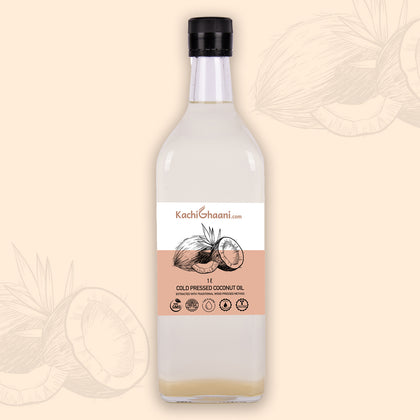
- 1 tbsp wooden cold pressed coconut oil
- 3/4 cup (75 g) fresh grated coconut
- 8 shallots (80 g), sliced
- 1 inch ginger, chopped
- 4 garlic cloves
- 1 tbsp coriander powder
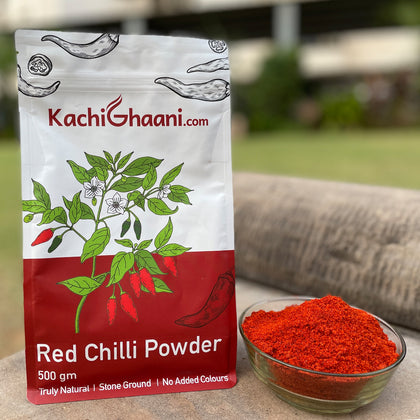
- 1 tsp Stone Ground Red Chilli Powder
- 1/2 tsp turmeric powder
- 1/2 tsp fennel seeds
- 1/2 tsp garam masala
- 1 sprig curry leaves
- For the tempering and gravy:
- 1 tbsp wooden cold pressed coconut oil
- 1 tsp mustard seeds
- 6 shallots (60 g), sliced thin
- 2 dry red chillies, broken
- 2 sprigs curry leaves
- 1 medium tomato (100 g), chopped
- 1 tsp salt, or to taste
Quantities are scaled up. Taste as you go and adjust the salt and spice.
Shop this recipe
Everything you need, from our press house
The puttu kutti starts hissing at the spout and the whole kitchen smells of steamed rice and coconut. The cylinder is turned upside down and pushed out with a wooden stick, and it lands on the plate in one warm piece, white with a stripe of coconut through it. Touch it with a spoon and it collapses into soft crumbs. Beside it sits the kadala curry, almost black-brown, thick, with whole black chana sitting in gravy that smells of coconut roasted till dark. You take some puttu, press it into the curry so it drinks it up, and eat. Then a piece of pappadam. Then a small yellow banana, mashed into the leftover puttu at the end, which is how Kerala finishes breakfast.
Two spoons of wooden cold pressed coconut oil do the heavy lifting in the curry. One goes in at the start with the roasting coconut and shallots, and one is used for the final mustard-seed tempering that is poured on top. Ours is pressed from copra in a wooden ghaani with no heat, so it keeps the strong sweet coconut smell that a Kerala curry is built around. Kadala curry made in a neutral oil tastes correct but empty; it is the coconut oil in the tempering, poured on right at the end, that puts the sweetness back over the dark roasted masala.
Everything about puttu comes down to how wet the flour is, and there is a simple test. Sprinkle water little by little and rub the flour between your palms. Squeeze a handful. If it holds its shape and then crumbles cleanly when you press it again, it is right. Too dry and the puttu falls apart; too wet and it steams into a heavy dumpling. Nine minutes of steam after the spout starts whistling, and no more.
How to make it
- Drain the soaked chana. Pressure cook it with 2.5 cups water and 1 tsp salt for 6 to 7 whistles, then keep it on the lowest flame for 5 minutes. The chana should be soft enough to crush between two fingers but still whole. Keep the cooking water; that dark liquid is the body of your gravy.
- For the masala, heat 1 tbsp coconut oil in a kadhai. Add the grated coconut, sliced shallots, ginger, garlic and fennel and roast on medium-low, stirring almost continuously, for 10 to 12 minutes. The coconut will go from white to gold to a deep chocolate brown and the kitchen will smell toasted. This slow browning is what makes it varutharacha, and it cannot be rushed.
- Take the pan off the heat, add the coriander powder, chilli powder, turmeric and garam masala and stir into the residual heat for 30 seconds. Cool for 10 minutes, then grind with 1/2 cup water into a smooth dark paste.
- Heat 1 tbsp coconut oil in a pot. Add the mustard seeds, wait for the crackle, then the sliced shallots, broken red chillies and curry leaves. Fry until the shallots are golden brown at the edges, about 4 minutes.
- Add the tomato and cook 3 minutes until it breaks down completely. Pour in the ground coconut paste and cook it on medium for 4 to 5 minutes, stirring, until the raw smell goes and you can see oil separating at the sides.
- Tip in the cooked chana with all its dark cooking water. Add salt, and simmer uncovered on low for 12 to 15 minutes. The gravy should thicken to the point where it clings to the chana rather than running off.
- Now the puttu. Put the puttu podi in a wide bowl with the salt. Sprinkle water a little at a time, rubbing the flour between your palms after every addition. Stop when a squeezed handful holds together but breaks apart cleanly under pressure. It should still look like damp flour, not dough.
- Break up any lumps by passing the flour through your fingers or a coarse sieve. Rest it 10 minutes.
- Fill the puttu kutti. Put 2 tbsp grated coconut at the bottom, then fill loosely with flour to about a third, another spoon of coconut, more flour, and finish with a layer of coconut on top. Never press or pack it down; the steam needs room to travel.
- Set the cylinder on the boiling water pot and steam for 8 to 9 minutes from the moment steam starts coming out of the top. Switch off, wait a minute, then push the puttu out with a wooden stick.
- Serve the hot puttu with the kadala curry, a pappadam and a small ripe banana on the side.
Tips
- The squeeze test is everything. A handful should hold its shape and then crumble when pressed a second time. Add water by sprinkling, never by pouring, because you cannot take it back out.
- Roast the coconut darker than feels safe. Pale coconut gives a flat, milky curry. Kerala kadala curry gets its colour and depth entirely from coconut taken to a deep brown, just short of burnt.
- Do not throw away the chana water. That dark stock carries most of the taste. Water from the tap will leave the curry thin and dull.
- No puttu kutti at home? Use a steel tumbler with holes punched in the base, or steam the flour in an idli plate lined with a wet cloth and break it up after.
- Leftover puttu: crumble it, mix with a spoon of ghee and jaggery, and eat it warm. That is how it is finished off in most Kerala homes.
- We do not sell puttu podi, chana or spices. Buy roasted puttu podi from a Kerala provision store, or dry roast fine rice flour on low heat yourself for 8 minutes until it feels weightless.