Ghee after delivery: the Indian postpartum diet, honestly weighed
Why the Indian postpartum diet leans on ghee for 40 days, what the tradition gets right, where it overreaches, and how much ghee makes sense after a normal birth or a C-section.

A good postpartum diet is a varied, generous one: protein, iron, calcium, fibre, plenty of fluids and enough energy, especially while breastfeeding. In the traditional Indian postpartum diet, ghee after delivery is the star. In sensible amounts it suits most new mothers, but there is no good evidence that it raises milk supply, cleans the womb or speeds recovery.
In many Indian homes the 40 days after birth, called sava mahina, jaapa or chilla in different regions, bring a steady stream of ghee-rich food: panjiri, gond laddoos, ajwain bloomed in ghee, halwa, and dal with a generous spoon on top. It is an act of love and a very old idea. Breastfeeding does raise energy needs, and ghee supplies calories in a small spoon, but large amounts add up fast. Here is what the tradition gets right, where it overreaches, and how much ghee makes sense.
At a glance
- Breastfeeding mothers need roughly 330 to 400 extra kcal a day, according to the US CDC. Ghee is a dense, easy source, at about 110 kcal per tablespoon.
- Ayurveda's postnatal routine, sutika paricharya, uses ghee to rebuild strength and calm vata, the dosha linked with dryness and movement.
- There is no good evidence that ghee raises breast milk, "cleans the womb" or speeds recovery.
- A tablespoon or two a day, counting the ghee in laddoos, halwa and dal, is a sensible amount for most healthy mothers.
- After a C-section, follow your doctor on when to return to rich food. For constipation, fibre and water matter more than ghee.
Why do Indian families give ghee after delivery?
Because tradition sees the weeks after birth as a time to rebuild strength, and ghee is the most prized food in the Indian kitchen.
Ayurveda calls the new mother sutika and describes a care routine for the first weeks after birth, sutika paricharya: rest, warmth, oil massage and warm, easily digested food enriched with ghee. In Ayurvedic thinking, birth leaves the body depleted and vata disturbed, and ghee is the classic food to nourish and steady it. You can read more about that reasoning in our piece on ghee in Ayurveda. These are traditional ideas, not findings from clinical trials, but the instinct behind them, feeding a tired mother well, is sound.
| Food | Where it is common | What goes in |
|---|---|---|
| Panjiri | Punjab and North India | Wheat flour roasted in ghee with nuts, seeds, dry ginger, and sugar or jaggery |
| Gond (dink) laddoo | North India, Maharashtra | Edible gum puffed in ghee, with wheat flour, nuts and jaggery |
| Methi laddoo | Gujarat, Rajasthan, Maharashtra | Fenugreek seed, wheat flour, ghee and jaggery |
| Ajwain in ghee, achhwani | North India | Carom seeds bloomed in ghee, added to rotis, rice or a warm drink |
| Dal and rice with ghee | Across India | Everyday meals, made richer with a spoon of ghee |
What should a postpartum diet include?
No special foods, just a healthy, varied diet with enough energy, protein and fluids. The NHS says you do not need to follow a special diet while breastfeeding, and CDC says women generally do not need to limit or avoid specific foods.
The most useful postpartum foods are everyday ones:
- Protein: dal, chana, rajma, paneer, curd, eggs, chicken and fish.
- Iron: dal, green leafy vegetables such as palak and methi, eggs and meat. A squeeze of lemon or a little amla alongside helps the body absorb iron from plant foods.
- Calcium: milk, curd, paneer, ragi and sesame.
- Fibre: whole grains, vegetables, fruit and dal, which also ease the constipation many mothers face.
- Fluids: water, milk, buttermilk and soups. Keep a drink within reach during feeds.
A few things are worth limiting. The NHS suggests no more than 200 mg of caffeine a day while breastfeeding and no more than two portions of oily fish a week. Ask your doctor whether you need a multivitamin or any other supplement.
Is ghee good after delivery?
In moderate amounts, yes. It is a convenient source of extra energy, and it makes simple, nourishing food more appealing at a tiring time.
Fat also helps the body absorb vitamins A, D, E and K, and cow ghee carries some vitamin A of its own. But a new mother needs far more than energy, and the protein, iron, calcium and fibre in the foods above matter more. Think of ghee as the spoon that makes the meal, not the meal itself.
How much ghee should a new mother eat each day?
For most healthy mothers, a tablespoon or two a day, counting the ghee hidden in laddoos and halwa, is a sensible amount.
| Amount of ghee | Approximate weight | Approximate energy |
|---|---|---|
| 1 teaspoon | 4 to 5 g | About 40 kcal |
| 1 tablespoon | About 13 g | About 110 kcal |
| 2 tablespoons | About 26 g | About 225 kcal |
| 4 tablespoons | About 51 g | About 450 kcal |
CDC estimates that a well-nourished breastfeeding mother needs an extra 330 to 400 kcal a day. Two tablespoons of ghee alone cover more than half of that, before the flour, nuts and jaggery in a laddoo are counted. Ghee is also about 60% saturated fat, so a modest amount leaves room for the foods that bring protein, iron and fibre.
Food after a C-section: can you eat ghee?
Usually yes, once your doctor has moved you back to normal food. Your surgical team will tell you when.
While the wound is sore and the bowels are slow, heavy fried food and very rich sweets can feel uncomfortable. Many mothers do better starting with a little ghee on dal and rice or khichdi, and adding laddoos later. Constipation is common after any birth. Mayo Clinic advises fibre from fruit, vegetables and whole grains, plenty of water, and asking your doctor about a stool softener if needed. Ghee has a traditional reputation for easing stools, but there is little research behind it, while fibre and fluids are proven helpers.
Does ghee increase breast milk?
There is no good evidence that it does. Milk supply depends mainly on how often and how well milk is removed: the more the baby feeds, the more milk is made.
What a mother eats changes the kinds of fat in her milk a little, not how much milk she makes. Eating enough overall matters for her own energy and wellbeing, but ghee is not a milk booster. If you are worried about supply, a lactation consultant, midwife or doctor can check how feeding is going, which helps far more than extra spoons of ghee.
Does ghee "clean the womb"?
No. After birth the womb shrinks back by itself, and the postnatal discharge, called lochia, changes colour and fades over about four to six weeks. No food speeds up or "cleans" this process. Heavy bleeding, fever or pelvic pain needs a doctor, not a diet.
Does eating a lot of ghee after delivery make it harder to lose weight?
It can, if the extra energy regularly runs ahead of what your body uses.
Most people lose about 6 kg (13 lb) at delivery itself, and more fluid in the days that follow. After that, weight comes off gradually with good food and, once your doctor agrees, regular activity. Breastfeeding uses energy, but forty days of several laddoos plus ghee-heavy meals can easily outpace it. The gentle answer is to keep the ritual and shrink the portions.
Who should be careful
- Diabetes or gestational diabetes. Laddoos, halwa and panjiri carry sugar or jaggery, and jaggery is still sugar. Ask your doctor or dietitian how much fits.
- High cholesterol, heart disease or gallbladder trouble. Keep ghee modest and ask your doctor.
- After a C-section or a complicated birth. Follow your medical team's advice on diet.
- A baby with cow's milk protein allergy. Ask your paediatrician whether you should avoid dairy foods, ghee included.
- Low appetite or low mood. Never force-feed a new mother. Persistent low mood after birth deserves a doctor's attention.
Keeping the tradition, sensibly
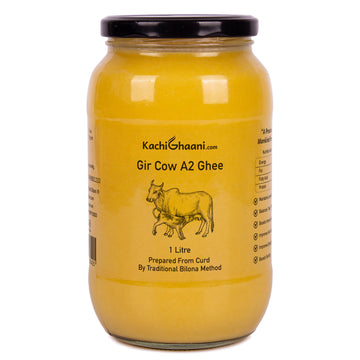
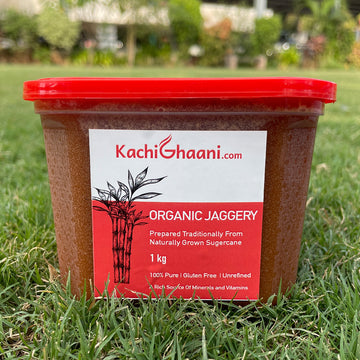
If you want to keep the custom, our A2 Gir cow ghee is made the traditional bilona way, hand-churned from curd and slowly simmered, so it is naturally golden and grainy. With a little of our open-pan jaggery, it makes a small batch of panjiri or a few gond laddoos. A little goes a long way; the aim is warmth and nourishment, not a daily mountain of sweets.
The bottom line
A good postpartum diet is varied and generous, and ghee after delivery is a loving, sensible part of it when it means a spoon or two a day in balanced meals. It provides energy for breastfeeding but does not raise milk supply, clean the womb or speed recovery. Keep the ritual, watch the portions, and let your doctor guide you after a C-section or if you have diabetes.
Frequently asked questions
When can a new mother start eating ghee?
After a normal delivery, most families add ghee to meals from the first days, and that is fine for most healthy mothers. After a caesarean, wait until your doctor has cleared a normal diet, then start with a little ghee on dal, rice or khichdi before moving on to richer laddoos.
Is gond laddoo good after delivery?
Gond laddoos are a cherished tradition and a dense source of energy from edible gum, ghee, wheat flour, nuts and jaggery. One a day can fit a breastfeeding mother's needs. Several a day add up quickly, and mothers with diabetes or gestational diabetes should ask their doctor first.
Should I drink warm milk with ghee after delivery?
Many families give warm milk with a spoon of ghee at night. It is comforting and adds about 110 kcal per tablespoon of ghee on top of the milk itself. It is fine in moderation for most mothers, but it is not needed for milk supply, and plain warm milk works just as well.
Is A2 ghee better for new mothers than regular ghee?
There is no research showing that A2 ghee is better for postnatal recovery or breastfeeding. Ghee is almost pure fat with only traces of milk protein, so the A1 and A2 protein difference matters little in it. Choose ghee you trust and enjoy, and keep the amount sensible.
How long should the special diet after delivery last?
Traditionally about 40 days, though it varies by family and region, and there is no medical rule. After the first weeks, return to a normal balanced diet with a little ghee, keep eating well while you breastfeed, and let your appetite and your doctor guide you.