How to season a cast iron tawa or iron kadai, and which oil
How to season a cast iron tawa or iron kadai, step by step: which oil each region uses, how many rounds, why dosas stick, how to clean it daily, rust rescue and sour dishes.

Here is how to season a cast iron tawa: scrub off the factory coating, dry it on the flame, then wipe on a very thin coat of oil and heat it until it just starts to smoke. Let it cool and repeat three to five times. An iron kadai is seasoned the same way, with any common cooking oil.
A tawa (the flat griddle for rotis and dosas) and a kadai (the deep, rounded pan for frying and curries) are among the oldest tools in an Indian kitchen. Well seasoned, they are naturally slick, resist rust and last for decades. Seasoning is not a coating you buy. It is a layer you build: heat turns thin films of oil into a hard, glossy skin bonded to the iron, and every paratha, dosa and tadka you cook afterwards adds to it. Thin coats matter more than the choice of oil.
At a glance
- Seasoning is oil turned into a hard layer by heat: thin coats, heated until they smoke, three to five rounds for a new pan.
- Any everyday oil works, whether sesame (gingelly), groundnut, mustard or coconut. The thinness of the coat matters more than the oil.
- Expect the first few dosas to stick. The seasoning keeps building every time you cook.
- Wash with hot water and a soft scrubber, dry on the flame and wipe on a few drops of oil while warm.
- Long-simmered sour gravies can strip a young seasoning, so cook them briefly or in another pot for the first few weeks.
How to season a cast iron tawa, step by step
Clean it, dry it with heat, then build three to five very thin layers of oil, each heated until it smokes. The same steps show how to season an iron kadai.
- Remove the factory coating. New tawas and kadais usually carry a protective film of oil or wax, and sometimes a little rust. Scrub with hot soapy water and a steel scrubber. Many families first soak the pan overnight in rice water (kanji, the starchy water from rice), which helps loosen the grime.
- Dry it on the flame. Heat the pan on medium for a few minutes until every trace of water is gone.
- Wipe on a thin coat. Add about half a teaspoon of oil and spread it over the whole cooking surface with a folded cloth held in tongs, or half an onion on a fork. Then wipe off as much as you can. It should look dry, not wet and shiny.
- Heat until it smokes. Turn the heat to medium-high until a thin wisp of smoke rises, and hold it there for a few minutes until the smoking settles. For a kadai, tilt and turn it so the sides heat too.
- Cool and repeat. Let it cool a little, then repeat the thin coat and heating three to five times. The iron moves from grey to bronze to black over the following weeks.
- Cook something forgiving first. Fry a few onions or make a paratha before your first dosa.
If you have an oven and the pan has no wooden parts, you can also bake it upside down after each coat for about an hour at the oven's highest setting. The rice water and the onion are regional habits with no harm in them; the seasoning itself comes from oil and heat.
Which oil is best for seasoning an iron kadai?
The oil you already cook with. Thin coats and enough heat do the work, so every traditional regional oil on our kitchen oil chart gives a good result.
The layer forms when fat molecules react with air under heat and link together, the same reason linseed oil hardens on wood. Oils richer in unsaturated fat, such as sesame, groundnut and mustard, set a little faster. Coconut oil is mostly saturated and sets more slowly, so give it a round or two extra. Gingelly oil (one sesame oil with many regional names) is the classic choice for a Tamil dosa tawa.
| Region | Usual seasoning oil | Smoke point (unrefined) | Note |
|---|---|---|---|
| Tamil Nadu, Karnataka | Gingelly (sesame) oil | About 177°C / 350°F | Mild; the dosa tawa favourite |
| Gujarat, Maharashtra | Groundnut oil | About 180°C / 356°F | Neutral everyday oil; sets well |
| North and East India | Mustard oil | About 250°C / 480°F | Needs more heat to smoke; open the windows |
| Kerala | Coconut oil | About 177°C / 350°F | Mostly saturated; add an extra round |
Whatever you choose, keep each coat thin. A thick coat does not set properly; it turns gummy and later flakes off in patches.
Why does dosa stick to an iron tawa?
Usually the tawa is too cold or too hot, or the seasoning is still young. A new tawa needs a few weeks of regular cooking before dosas slide off easily.
- Check the heat. Sprinkle a few drops of water on the tawa. They should sizzle and vanish within a few seconds. If they sit and bubble, wait; if the tawa smokes, lower the flame and let it settle.
- Wipe before every dosa. Rub the hot tawa with half an onion dipped in a little oil. It leaves a very thin film and lifts away stuck bits.
- Keep the surface undisturbed. Many South Indian homes keep one tawa only for dosas and never scrub it hard.
How to clean an iron tawa every day
Wash it warm, dry it with heat, and oil it lightly. Thirty seconds of care after cooking saves hours of re-seasoning.
- While the pan is still warm, wash it with hot water and a soft brush or coir scrubber. Use little or no soap, and no harsh scouring powder or steel wool.
- Never leave it soaking or sitting in a wet sink.
- Put it back on the flame for a minute until it is completely dry.
- While warm, wipe on a few drops of oil with a paper towel, then store it somewhere dry.
How do you remove rust from an iron tawa?
Scrub light rust away with coarse salt and a damp cloth. For heavier rust, soak the pan in equal parts water and white vinegar, checking every 15 minutes, then wash, dry on the flame and season again from the start.
Some families rub rust off with tamarind pulp or lemon and salt, which work the same way: a mild acid loosens the rust. Do not leave any acid on the iron for long, as it eats into the metal, and rinse it off completely, because bare, damp iron rusts again within hours. Then give the pan two or three fresh rounds of seasoning.
Can you cook tomato or tamarind in an iron kadai?
Yes, briefly, once the kadai is well seasoned. Long-simmered sour dishes such as tamarind gravies, rasam and tomato curries can strip a young seasoning, taste metallic and turn dark.
Acid dissolves a little iron into the food. A 1986 study of 20 foods found that most gained iron when cooked in iron pots, with acidity, moisture and cooking time all playing a part, and a 2021 review of later studies found the same pattern for acidic foods. The extra iron is not a problem for most people, but flavour and colour can suffer. Move sour dishes to a steel or ceramic bowl once cooked, and never store food in the kadai overnight.
Safety: smoke, hot handles and iron
- Season with the exhaust fan on and a window open, and never leave a smoking pan unattended.
- Iron handles get very hot. Use a thick cloth or tongs, and keep children away from the stove.
- If oil ever catches fire, turn off the heat and cover the pan with a lid. Never pour water on it.
- If your doctor has asked you to limit iron, for example because of haemochromatosis (iron overload), ask whether you should cook often in iron pans.
Which of our oils to season with
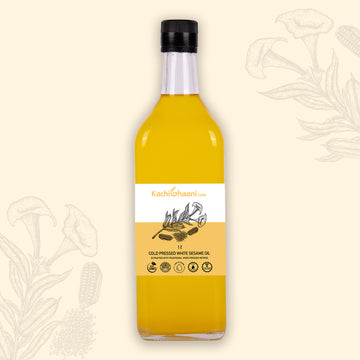
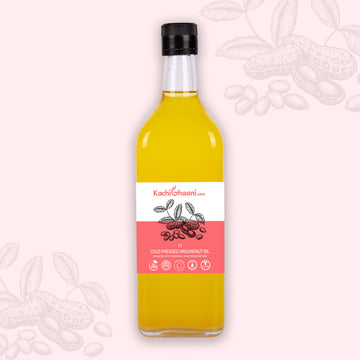
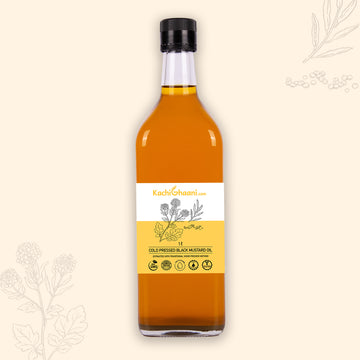
Season with the oil your kitchen already loves. Our Truly Cold Pressed white sesame oil is the everyday gingelly oil of the South, our groundnut oil suits western Indian kitchens, and our black mustard oil and coconut oil cover the North, East and Kerala. All are pressed slowly in wooden ghaanis and left unrefined, so they smoke sooner than refined oils; keep the flame at medium-high, as our guide to the smoke points of Indian oils explains.
The bottom line
Seasoning is thin oil plus heat, repeated: scrub the pan, dry it on the flame, and build three to five smoke-hot layers with whatever oil you cook with. After that, cooking does the rest, as long as you dry and oil the pan after every wash and go easy on sour gravies while the seasoning is young.
Frequently asked questions
Should I season a pre-seasoned tawa?
It helps. Factory pre-seasoning is usually only a thin first layer. Wash the tawa with hot water, dry it on the flame and give it one or two thin coats of oil heated to a light smoke before your first dosa. After that, regular cooking builds the rest.
Why has my iron tawa turned sticky?
A tacky surface means too much oil went on at once and did not set fully. Heat the tawa until the film smokes and darkens, or scrub off the gummy patches and season again with much thinner coats. Thin coats set hard; thick ones stay soft and sticky.
How long does it take to season a new iron kadai?
The first three to five rounds take an hour or two. A dependable, slick surface takes several weeks of regular cooking, especially frying and tadkas. Until then, cook oilier dishes, avoid long sour simmers, and do not worry if the colour is patchy, because it evens out with use.
Is cast iron or sheet iron better for a dosa tawa?
Both work. Thinner sheet-iron tawas heat quickly and suit rotis, while thicker cast iron holds heat evenly, which many cooks like for dosas. Both season the same way, with thin coats of oil and heat. Pick a weight you can lift and clean comfortably every day.
Can I use the same tawa for rotis and dosas?
You can, but many South Indian homes keep a separate dosa tawa. Rotis are cooked dry and the flour can scuff a young seasoning, while dosas need a slick, oiled surface. If you only have one tawa, season it well and wipe it with oil before each batch of dosas.
Sources
- NC State Extension, Polk County Center: how to season and maintain a cast iron pan, 2023
- Brittin and Nossaman, Journal of the American Dietetic Association, 1986: iron content of food cooked in iron utensils
- Sharma and colleagues, Nepal Journal of Epidemiology, 2021: systematic review of cooking in iron cookware