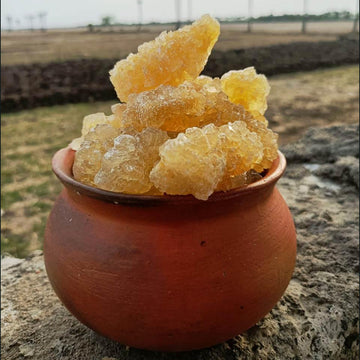
Mukhwas: why Indians end a meal with saunf and mishri
Mukhwas, India's after-meal mouth freshener, is often just saunf and mishri. Why Indians eat it, what fennel may and may not do for digestion and breath, and how much is sensible.

Mukhwas is India's after-meal mouth freshener: a pinch of seeds chewed when the plates are cleared, most simply saunf (fennel seeds) with mishri (sugar crystallised on thread). Fennel's sweet aroma freshens the mouth, tradition holds that it settles a heavy meal, and the mishri adds a sweet full stop. A small pinch is the whole idea.
You meet mukhwas at the door of almost every Indian restaurant, from Delhi to Dubai to Dallas, and in a small steel or silver box in millions of homes. Here is where the saunf mishri habit comes from, what fennel seeds after a meal may and may not do, how much makes sense, and how to think about the sugar.
At a glance
- Mukhwas is any after-meal mouth freshener; saunf (fennel seed) with mishri (crystallised sugar) is the simplest.
- Fennel has long traditional use for mild bloating and wind; Europe's medicines regulator accepts that use on the strength of tradition, not strong trials.
- The fresher breath is real but short-lived.
- A pinch of mishri, 2 to 3 g, adds about 8 to 12 calories and counts towards your daily sugar.
- Skip the mishri for babies and toddlers, and ask a doctor before giving fennel teas or remedies to children under four.
What is mukhwas?
Mukhwas is the Indian name for after-meal mouth fresheners, from mukh, mouth, and vaas, fragrance. Mixes vary by region and family and often include fennel, roasted coriander seed, sesame, ajwain (carom seeds), dried coconut and sugar-coated seeds. Saunf with mishri is the simplest version, served in most homes and many restaurants. Some shop-bought mixes also contain supari, or areca nut, which is a different matter; see the safety notes below.
Why do Indians eat saunf and mishri after meals?
For flavour, freshness and tradition. Fennel's sweet, liquorice-like aroma comes mainly from anethole, the same compound that flavours anise, and chewing the seeds releases it just as the meal's stronger smells linger. The crunch also gets saliva flowing, which helps the mouth feel clean.
Ayurveda adds a reason of its own. Its texts generally class fennel as sweet and cooling, and mishri as sweet and cooling too, qualities believed to settle a heavy or spicy meal. That is a traditional idea rather than a proven effect, but it explains why the pair became a habit, and why so many mukhwas mixes are built around fennel.
Do fennel seeds after a meal help digestion?
Possibly a little, for mild wind and bloating, but the evidence is modest. The European Medicines Agency, Europe's medicines regulator, accepts sweet fennel as a traditional herbal medicine for mild, cramp-like stomach and gut complaints, including bloating and wind. It is careful to say this rests on long-standing use rather than strong clinical trials. Small studies of fennel preparations in babies with colic have also been published, but they are small, and the same regulator does not recommend fennel medicines for children under four.
A pinch of seeds after dinner is also far less than the amount in a fennel tea or a medicinal preparation. So enjoy saunf as a pleasant habit with a plausible, mild effect, not as a remedy. If you have frequent bloating, pain or changes in digestion, see a doctor rather than relying on seeds.
How much saunf and mishri should you eat?
About half to one teaspoon of fennel seeds with two or three small crystals of mishri, once after a main meal.
| Item | A sensible after-meal amount | What it adds |
|---|---|---|
| Saunf (fennel seeds) | Half to 1 teaspoon (about 1 to 2 g) | Aroma and a little fibre; roughly 3 to 7 calories |
| Dhaga mishri | 2 or 3 small crystals (about 2 to 3 g) | Sugar; about 8 to 12 calories |
| Sugar-coated saunf (restaurant style) | 1 teaspoon | Noticeably more sugar, often with added colour |
To make your own mix at home:
- Choose plump, green fennel seeds with a fresh, sweet smell.
- For a toasty flavour, dry-roast them in a pan on low heat for 1 to 2 minutes, stirring, until fragrant, then let them cool completely.
- Pick the mishri crystals off their cotton threads and break them into small pieces.
- Mix about four parts fennel to one part mishri.
- Store the mix in an airtight jar, away from heat, and use a dry spoon.
Is saunf with mishri good in summer?
It is a much-loved summer habit, and so is saunf sharbat, fennel soaked in water and sweetened with mishri. Tradition calls both ingredients cooling. There is no good evidence that either lowers body temperature; in hot weather, what really helps is the water in the glass and drinking enough through the day. Enjoy the sharbat for its taste, and keep the sweetening light.
Is saunf mishri okay if you are watching your sugar intake?
In small amounts, usually yes, but count it. Mishri is crystallised sugar, with about 4 calories per gram, much like table sugar; the slow, thread-crystallised method changes its shape and texture, not its sugar content. The World Health Organization advises keeping free sugars below 10 percent of daily energy, and ideally below 5 percent, which is about 25 g or 6 teaspoons a day.
A pinch of 2 to 3 g is a small share of that, but sugar-coated restaurant saunf taken by the spoonful adds up quickly. If you have diabetes or are cutting sugar, plain fennel gives you the aroma without the sugar, and your doctor or dietitian can tell you how mishri fits your plan. For the same honest look at another traditional sweetener, read is jaggery just sugar?
Who should skip it or take care?
- Babies and toddlers: the NHS says babies do not need sugar and advises avoiding sugary foods for children aged 4 or younger, and hard sugar crystals are a choking risk for small children. Skip it.
- Children under four: ask a doctor before giving fennel teas or other fennel preparations.
- Pregnancy and breastfeeding: fennel as a spice in food is common, but the European regulator advises against fennel medicines in pregnancy and breastfeeding as a precaution, so ask your doctor before taking concentrated teas or extracts.
- Allergy: fennel belongs to the same plant family as carrot and celery, and people with celery or mugwort pollen allergy occasionally react to it.
- Mixes with supari: areca nut, sold as supari in some mukhwas and paan mixes, is classed as a cause of cancer by IARC, the World Health Organization's cancer research agency. Choose mixes without it.
- Diabetes: count the mishri, or choose plain fennel.
- Teeth: sugar crystals linger, so rinse with water or brush at bedtime.
Our dhaga mishri
If you want to make your own mix, our dhaga mishri is sugar syrup crystallised slowly on cotton threads over several days, with nothing bleached or added. Pick the crystals off the thread, break them small and mix them with fennel; it is still sugar, so a pinch is plenty. To learn more, see what mishri is and how it is made, and what the thread changes.
The bottom line
Mukhwas, at its simplest saunf and mishri, is a small, pleasant ritual: fennel for aroma and, by long tradition, a settled stomach, and mishri for a sweet full stop. Keep it to a pinch, count the sugar, skip mixes with supari, and see a doctor, not the mukhwas box, for digestive trouble that keeps coming back.
Frequently asked questions
Can you eat mukhwas every day?
A small pinch after meals is a reasonable habit for most adults. Count the sugar in sweetened mixes, choose plain or lightly sweetened ones if you have diabetes, and avoid mixes that contain supari (areca nut). If you rely on mukhwas to calm frequent indigestion, see a doctor instead.
Is roasted or raw saunf better after meals?
It is a matter of taste. Roasting deepens the aroma and makes the seeds crunchier, while raw seeds taste fresher and greener. There is no good evidence that one is better for digestion than the other. Roast small batches on low heat, so the seeds turn fragrant without darkening.
Can I chew saunf without mishri?
Yes. Plain fennel gives you the same aroma and crunch without any sugar, which suits anyone with diabetes or cutting back on sweets. Some people add a few cardamom seeds or a little roasted coriander seed for variety instead of sugar.
Why is restaurant saunf so colourful?
The bright pink, yellow and green seeds are fennel coated in sugar syrup and food colouring. They taste sweeter than plain saunf with mishri and carry more sugar per spoonful. Plain fennel with a few crystals of mishri is the simpler, less sugary choice.
Does saunf get rid of bad breath?
Only for a while. Fennel masks food smells and chewing gets saliva flowing, but the effect is short-lived. Lasting fresh breath comes from brushing twice a day, cleaning between the teeth and the tongue, and regular dental check-ups. Persistent bad breath is worth raising with a dentist or doctor.