Postpartum massage: India's jaapa tradition and its safety rules
Postpartum massage is the heart of jaapa, India's 40-day rest after birth. Which oils are used where, what massage can and cannot do, and the safety rules that matter.

Postpartum massage in India is a daily warm-oil massage given to a new mother during jaapa, the roughly 40-day rest after birth, usually by an elder or a trained maalishwali (masseuse). Small studies link it with better sleep and less anxiety, but it is comfort care, not recovery medicine, and it has real safety rules.
If you are an Indian family preparing for a baby, in India or abroad, someone will soon offer to arrange the maalish, and many diaspora parents hire a japa nanny for exactly this. The tradition can be restful and bonding, as long as it follows a few modern safety rules that the old routine did not always know.
At a glance
- Jaapa (also japa, or sawa mahina) is the traditional postpartum rest of about 40 days; Ayurveda calls the new mother sutika and her care sutika paricharya.
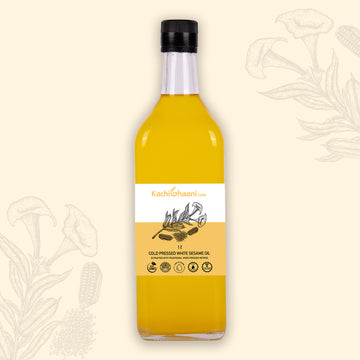
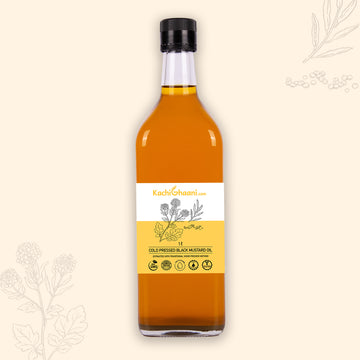
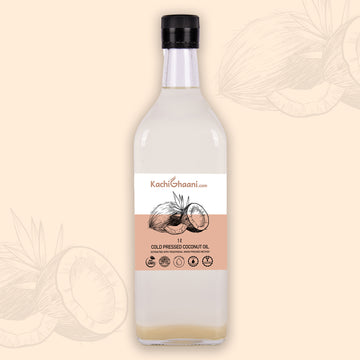
- The oil follows the region: sesame in the south and west, mustard in the north and east, coconut in Kerala.
- Small trials link postnatal massage with better sleep and lower anxiety; none shows it speeds recovery or flattens the tummy.
- Wait for your doctor's or midwife's go-ahead, keep away from wounds and stitches, and use only light strokes on the legs.
- Warm the oil, never make it hot, and test it on your inner wrist.
How long is the Indian postpartum (jaapa) period?
Traditionally about 40 days, though families count anywhere from 30 to 45. In North and West India it is called jaapa or japa, and in many Hindi-speaking homes sawa mahina, a month and a quarter. Ayurveda describes the same window as the time of the sutika, the woman who has just given birth, with a routine of rest, warm food, warm baths and daily oil massage.
It lines up neatly with modern care, which sees the first six weeks after birth as a recovery period and offers a postnatal check at around six to eight weeks. The traditional rest and the modern check fit together well.
Which oil is used for post-delivery massage in India?
The one the family already trusts, which usually depends on the region.
| Region | Usual oil | Notes |
|---|---|---|
| Much of South and West India | Sesame (til) oil | Considered warming in Ayurveda; light and easy to spread |
| North and East India, Nepal and Bangladesh | Mustard oil | Often warmed with garlic or ajwain; can sting sensitive skin |
| Kerala | Coconut oil, or Ayurvedic medicated oils | Medicated oils are prescribed by a vaidya and are often sesame-based |
| Urban and diaspora homes | Almond or other mild oils | Gentle choices for sensitive skin |
Whichever you use, choose a single, unscented oil, patch test it first, and avoid heavily perfumed blends on skin that will soon be against a newborn's.
What does postpartum massage actually do?
It relaxes a tired body and gives a new mother daily, hands-on care. That alone is worth something: the back, shoulders and arms ache from feeding, lifting and broken sleep, and a slow massage eases that tension.
What the evidence suggests
A handful of small trials, many from Asia, found that new mothers given back or full-body massage after birth reported better sleep or lower anxiety than mothers who were not. The studies are small and short, so read them as encouraging rather than conclusive.
What it will not do
No good study shows that massage shrinks the womb faster, flattens the tummy, closes the hips, removes gas or restores the body's shape. The gap between the tummy muscles that many women notice after birth usually narrows on its own; the NHS says it usually goes back to normal by about eight weeks, and to see a GP if it is still obvious after that. Firm pressure on a soft postpartum tummy is a bad idea, especially after a caesarean.
When can you start postnatal massage after delivery?
After a straightforward vaginal birth, many mothers start gentle massage of the back, shoulders, arms and feet within the first week or two, once their doctor or midwife agrees. After a caesarean or a difficult birth, wait for your doctor's go-ahead, keep well away from the wound, and leave the tummy alone at least until your six-week check. A safe session looks like this:
- Get the go-ahead from your doctor or midwife.
- Warm the oil gently by standing the bottle, or a small bowl of oil, in hot water. Test a few drops on your inner wrist: it should feel comfortably warm, never hot.
- The mother sits, or lies on her side, on a firm mattress in a warm, draught-free room.
- Start with the back and shoulders: long, slow strokes on either side of the spine, never on it, with only as much pressure as feels good.
- Knead the arms, hands and feet gently.
- On the legs, use light, sweeping strokes only, with no deep kneading of the calves.
- Skip the tummy, any wound or stitches, and the breasts.
- Keep it to 20 to 30 minutes, then follow with a warm, not hot, bath and a rest.
Head massage is often part of jaapa too; our guide to champi, the warm-oil head massage shows the gentle way. For the wider practice of daily oiling, see abhyanga at home.
Postpartum massage safety rules
These matter more than the choice of oil.
- Blood clots: the risk of deep vein thrombosis (DVT), a clot in a deep vein, is higher in the six weeks after having a baby. Never massage a leg that is swollen, painful, warm or discoloured, especially on one side. Get urgent medical help, and call emergency services if leg symptoms come with chest pain or breathlessness.
- Caesarean wound: keep oil and pressure away from it. If it becomes more red, painful or swollen, or leaks pus or foul-smelling fluid, contact your midwife or doctor.
- Stitches after a tear or episiotomy: keep oil away from the area.
- Warning signs: heavy bleeding, fever, severe pain, a bad headache or problems with vision mean no massage today and a call to your doctor.
- Burns: hot oil scalds, so always test it on the inner wrist.
- Breastfeeding: wipe any oil off the breasts before a feed.
- Slips: oily feet on a wet bathroom floor are dangerous; wipe the soles and use a mat.
- Low mood: massage is comfort, not a substitute for care. If low mood or anxiety lasts more than two weeks, talk to your doctor.
If you hire a maalishwali or a japa nanny, ask about her experience, agree that the mother can say stop at any time, and share these rules with her. The baby's own massage has different rules; our baby malish guide covers them.
The oils we make for it
If your family follows the southern and western custom, our Truly Cold Pressed white sesame oil is the classic choice; for the northern and eastern custom, our Truly Cold Pressed black mustard oil; and for Kerala homes, our Truly Cold Pressed coconut oil. Each is a single oil, pressed slowly in a wooden ghaani and left unrefined. Patch test whichever you choose.
The bottom line
Jaapa massage is a lovely tradition of rest and care, and the small studies we have suggest it helps mothers relax and sleep. Keep it gentle, warm and medically cleared: no hot oil, no work on wounds or the tummy, light hands on the legs, and a call to the doctor at the first warning sign.
Frequently asked questions
How long should a postpartum massage last?
About 20 to 30 minutes, once a day, is typical in jaapa, followed by a warm bath and rest. Some families continue for the full 40 days; others stop sooner, and shorter sessions are fine on tired days. The mother's comfort, not the calendar, should decide how long and how often.
Can massage help a postpartum belly?
Not in any proven way. The tummy shrinks gradually as the womb returns to its usual size and the muscles recover, and massage has not been shown to speed that up. If the gap between your tummy muscles is still obvious about eight weeks after birth, see your doctor and ask about guided postnatal exercise.
Should the mother bathe after the massage?
Traditionally, yes: a warm bath follows the massage and washes off the extra oil. Keep the water warm rather than hot, wipe the oil from the soles of the feet first, and have someone nearby in the early days, since tiredness and a slippery floor are a risky mix.
What is a japa nanny?
A japa nanny, or japa maid, is a postpartum helper hired by many Indian families in the US, UK, Canada and elsewhere. She usually cooks traditional postpartum food, helps with the baby, and gives the mother's and baby's massages. Check her experience and references, and make sure she follows your doctor's advice.
Can I use mustard oil on my body while breastfeeding?
Yes, on your own body, if your skin tolerates it after a patch test. Keep it off the breasts, or wipe them clean before every feed so the baby does not taste the oil, and wash your hands before handling the baby, because mustard oil may be harsh on a newborn's skin.