Why tadka works: the logic of cooking spices in fat

Every Indian kitchen performs the same small ceremony: hot fat, a scatter of seeds, thirty seconds of theatre, and a plain dal becomes dinner. Tadka — chhonk, baghar, vaghar, thalippu, depending on where your family is from — is so routine that we rarely ask why it works. The answer is a lovely piece of kitchen logic that food science and Ayurveda arrived at from opposite directions.
Why do spices need fat at all?
Because most of the aroma in our spices dissolves in fat, not in water. The compounds that make cumin taste like cumin, that give mustard seed its pop of pungency, that carry the perfume of curry leaves — the majority of them are fat-soluble. Simmer whole spices in watery dal and much of their character stays locked inside the seed. Bloom the same spices in hot oil or ghee and the fat pulls those aromas out and spreads them through the whole dish in seconds.
That is the entire trick. The fat is not a cooking medium here — it is a solvent and a carrier. This is also why a tadka poured over the dal at the end perfumes it more vividly than the same spices boiled in it for an hour, and why the fat you choose changes the dish as much as the spices do.
What did Ayurveda understand about this?
The tradition never used the word “fat-soluble”, but it built the same insight into its cooking. Ayurveda regards fat as an anupana — a carrier that brings other substances along with it — and its food preparations lean on exactly this: spices are almost always married to a fat before they meet the meal. The ghee tadka on khichdi and dal is the everyday expression of snehana, the tradition’s comfort with good fat used deliberately. We say this, as always, as a description of the tradition’s own reasoning — heritage, not a claim from us. What is striking is simply that the old kitchen logic and the modern chemistry point the same way.
What is actually happening in the pan, step by step?
- The fat heats until a test seed sizzles on contact — hot enough to extract, not so hot that it burns. On most home flames this is under a minute.
- Whole seeds go first. Cumin, mustard seed, methi, hing in the fat’s first bloom. Mustard seeds must actually crackle and pop — that popping is the seed opening its aroma — and cumin should darken one shade, no more.
- Aromatics follow — garlic, ginger, green chilli, sliced onion — once the seeds have opened. They need a gentler heat than the seeds did.
- Fragile things go last. Curry leaves, kashmiri chilli powder and hing dropped in at the end, often with the pan already off the flame — ground spices scorch in seconds and turn bitter.
- The pour. The whole sizzling spoonful goes over the dish, fat included — because the fat is where the flavour now lives.
Which fat should carry which tadka?
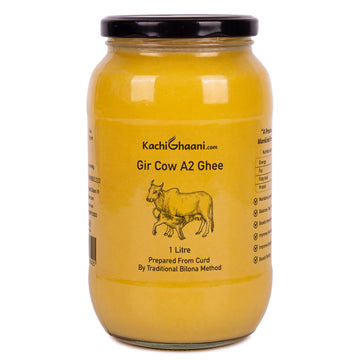
- Ghee — the classic for dal, khichdi and anything North Indian and comforting. Nutty, round, festive.
- Mustard oil — the East and North: pungent chhonk for dals, saag and anything that should taste assertive.
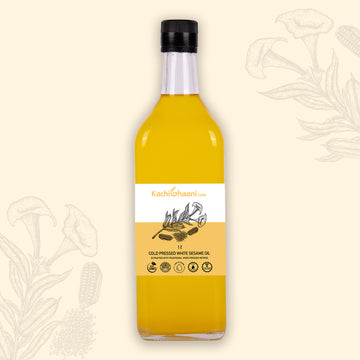
- Sesame oil — the traditional southern and western choice; white sesame gives a warm, nutty tadka that suits dals and poriyal-style vegetables.
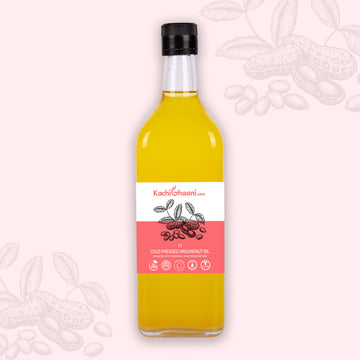
- Groundnut oil — the neutral workhorse: groundnut lets the spices speak loudest when you want the seeds themselves to lead.
- Coconut oil — Kerala’s answer, made for curry leaves and mustard seed over thoran and moru curry.
An unrefined, Truly Cold Pressed oil earns its place here twice over: the fat contributes its own aroma to the extraction, so an oil with character gives the tadka a second voice that a deodorised oil simply does not have. We have mapped five everyday pairings in detail in our tadka combinations guide.
Does the tadka need high heat?
Hot, yes — smoking, no. The fat should be hot enough to make a mustard seed pop within a few seconds, and every oil reaches that point well before its smoke point. Push any fat past its limit and the aromas you were extracting start burning instead; our smoke point reference lists where those limits sit for every oil we press.
Thirty seconds, one hot spoonful of good fat, and the spice tin’s whole vocabulary is suddenly audible. That is why the ceremony survived.