Hyderabadi Vegetable Biryani
Long saffron-streaked grains, crisp fried onions and torn mint underneath, and a cloud of steam when the seal is broken at the table.

Ingredients
Serves 6
- For the rice:
- 2 cups (400 g) aged long grain basmati rice
- 3 litres water
- 2 tbsp salt
- 1 bay leaf, 1 inch cinnamon, 4 cloves, 3 green cardamom, 1 black cardamom
- 1 tsp shahi jeera (caraway seeds)
- 1 tbsp lemon juice
- For the birista (fried onions):
- 3 large onions (400 g), sliced very thin and even
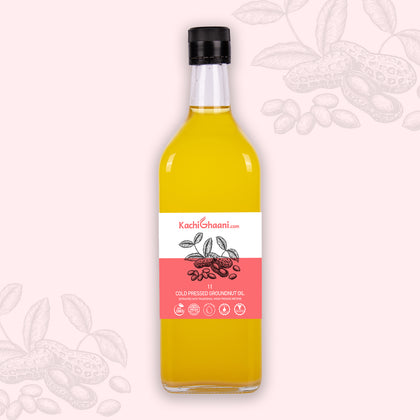
- 200 ml wooden cold pressed groundnut oil, for frying
- For the vegetable masala:
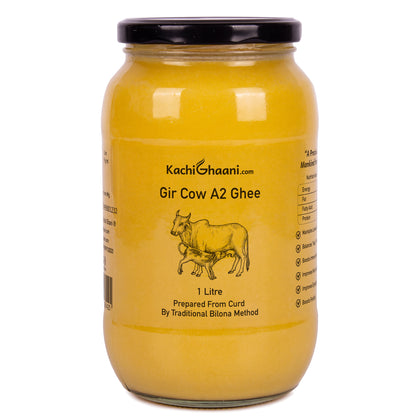
- 3 tbsp Gir Cow's A2 Ghee
- 1 cup (250 g) thick curd, whisked smooth, at room temperature
- 1.5 tbsp ginger garlic paste
- 3 green chillies, slit
- 1 tsp Stone Ground Red Chilli Powder
- 1/2 tsp turmeric powder
- 1 tsp coriander powder
- 1 tsp garam masala
- 1 medium potato (120 g), cut into large cubes
- 1 carrot (80 g), thick batons
- 10 French beans (80 g), 3 cm pieces
- 1 cup (120 g) cauliflower florets
- 1/2 cup (70 g) green peas
- 1/2 cup mint leaves, chopped
- 1/2 cup coriander leaves, chopped
- 1.5 tsp salt, or to taste
- For layering and dum:
- 3 tbsp Gir Cow's A2 Ghee, melted
- 2 generous pinches saffron, soaked in 1/4 cup (60 ml) warm milk
- 1/2 cup mint and coriander leaves, extra
- 1 tbsp kewra water or rose water, optional
- Atta dough, for sealing the lid, or foil
Quantities are scaled up. Taste as you go and adjust the salt and spice.
Shop this recipe
Everything you need, from our press house
In the Old City the biryani comes to the table still sealed, and someone cracks the dough ring around the lid with the back of a spoon. The steam that comes out hits you first: mint, fried onion, ghee, saffron. Then the top layer, white and orange in streaks, is lifted aside and the darker rice underneath comes up with it, stained by the masala and heavy with vegetables. Every grain is separate and as long as a matchstick. A spoon of thick raita goes on the side, and a ladle of mirchi ka salan, dark and oily and sesame-sour. You eat the biryani, then the salan, then a piece of onion from the raita, and go back around again.
Ghee is what makes biryani smell like biryani. Gir Cow's A2 Ghee handles the high heat of frying birista without any burnt smell, since ghee stays stable up to around 250 degrees, and its bilona-churned nuttiness is exactly what you want soaking down through the rice on dum. We use groundnut oil for the deep frying of the onions, because it takes that heat well and stays neutral, and then ghee where it will actually be tasted, over the layers before the pot is sealed. Do not mix them up: onions fried in ghee will darken too fast, and ghee saved for the top is ghee you can smell.
The one thing that decides this dish is the rice. Boil it to seventy percent and not a moment further. Lift a grain out at five minutes and press it between your fingers; it should break into three, with a firm white line still in the centre. It will finish cooking in the steam of the dum. Rice boiled soft before it goes into the pot becomes a solid mass of paste, and no amount of careful layering afterwards will save it.
How to make it
- Wash the basmati gently in three changes of water until it runs clear, then soak it for 30 minutes. Drain in a colander for 10 minutes. Handle it lightly; soaked basmati snaps easily.
- Fry the birista. Heat the groundnut oil in a kadhai on medium. Fry the sliced onions in two batches, stirring, for 10 to 12 minutes each, until they turn an even light golden brown. Lift them out just before they look done, because they darken on the plate. Spread them on paper to go crisp. Keep 3 tbsp of the onion-flavoured oil.
- Make the masala. Heat 3 tbsp ghee with the reserved onion oil in a wide, heavy pot. Add the ginger garlic paste and green chillies and cook 1 minute until the raw smell goes. Add the turmeric, chilli powder and coriander powder and stir for 20 seconds.
- Add the potato, carrot, beans and cauliflower with the salt. Cook on medium for 6 to 7 minutes, turning them, until the edges catch a little colour.
- Take the pot off the heat for a minute, then whisk in the curd off the flame. Put it back on low and cook 8 to 10 minutes until the curd thickens and the fat starts to show at the edges. Adding curd to a very hot pot is what makes it split, so do it off the flame.
- Add the peas, garam masala, half the fried onions, half the chopped mint and coriander. Cook 2 minutes more. The masala should be thick and clinging, not watery, or the rice will turn soggy. Level it in the pot and switch off.
- Boil the rice. Bring 3 litres of water to a hard boil with the salt, whole spices, shahi jeera and lemon juice. Add the drained rice. From the moment it returns to the boil, cook 4 to 5 minutes only.
- Test at 4 minutes. Press a grain: it should break in three with a firm opaque centre. Drain immediately in a colander. This is seventy percent cooked, and it is the whole game.
- Layer straight away. Spread half the hot rice over the masala. Scatter over half the remaining birista, half the extra herbs, half the saffron milk and half the melted ghee. Repeat with the rest of the rice, birista, herbs, saffron milk, ghee and the kewra water.
- Seal the pot. Roll a rope of atta dough and press it around the rim, then clamp the lid on, or cover tightly with foil and then the lid. Heat the pot on high for 2 minutes only, until you hear it sizzle inside, then set it on a tawa over the lowest possible flame and leave it for 25 to 30 minutes.
- Switch off and let the pot stand, still sealed, for 10 minutes. Break the seal at the table. Dig down with a flat spoon from one side and lift, so the layers come up together instead of turning into a mix. Serve with thick raita and mirchi ka salan.
Tips
- Slice the onions evenly and thin. Uneven birista means some pieces burn while others are still soft, and burnt onion turns the whole biryani bitter. A mandoline is worth it here.
- Full fat curd only, and at room temperature. Cold curd or low fat curd straight from the fridge will split into grains the moment it hits the pot.
- Aged basmati is not a luxury. New rice holds more moisture and turns sticky on dum. Look for rice marked one or two years old.
- The tawa under the pot is not optional. It spreads the flame so the bottom layer steams instead of scorching. Without it you will get a burnt crust and raw rice above.
- We do not sell curd, basmati or whole spices. Buy those separately. Fresh mint makes a real difference; dried mint tastes of nothing here.
- Do not stir it after opening. Serve with a flat spoon, digging down and lifting, so each plate gets both the white top rice and the darker masala rice from below.