Khaja
You bite the corner and about forty paper-thin layers shatter at once, and the sugar syrup that soaked into them the night before cracks like glass.

Ingredients
Serves 6
- 2 cups (250 g) maida, for the dough
- 1/4 cup (55 g) Gir Cow's A2 Ghee, melted, for the moyan
- 1/4 tsp salt and a pinch of baking soda
- 1/2 cup (120 ml) cold water, or a little more, to knead
- 3 tbsp (40 g) Gir Cow's A2 Ghee, soft, for the sata paste
- 3 tbsp (25 g) rice flour, for the sata paste
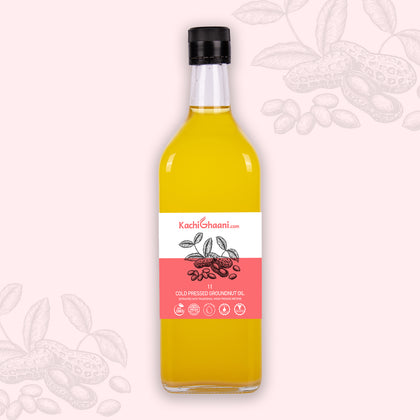
- 600 ml wooden cold pressed groundnut oil, or ghee, for deep frying
- 1.5 cups (300 g) sugar, for the syrup
- 3/4 cup (180 ml) water, for the syrup
- 1/2 tsp green cardamom powder
- 1 tsp lemon juice, to stop the syrup crystallising
- 1 tbsp (10 g) pistachios, slivered (optional)
Quantities are scaled up. Taste as you go and adjust the salt and spice.
Shop this recipe
Everything you need, from our press house
Outside the Jagannath temple in Puri the khaja is stacked in glass cases by the hundred, pale gold, layered like the pages of a book, each one the size of a palm. It goes to the temple as part of the chhappan bhog and it comes home in a paper packet that turns transparent at the corners. Bite one and you hear it before you taste it. Forty or so paper-thin layers give way at once, the syrup that soaked in overnight cracks, and then it all dissolves and you are left tasting nothing but ghee and sugar. Silao in Bihar makes its own version, thinner and even flakier, and people argue about which is better for as long as you let them.
Khaja is layers of dough kept apart by fat, so the fat is the recipe. Gir Cow's A2 Ghee goes into the dough as moyan, which shortens it and stops the layers from bonding, and then more of it is beaten with rice flour into the sata, the white paste that gets brushed between the sheets. That paste is what turns into steam pockets in the kadhai and pushes the layers apart. Ghee also holds up to twenty minutes of gentle frying without darkening, which is why khaja fried in ghee stays pale gold. If you would rather not deep fry in ghee, our wooden cold pressed groundnut oil stays clean at that low heat and works well, but keep the ghee in the dough and the sata.
Fry low and slow. This is the rule that everything else obeys. Khaja goes into oil that is barely warm, around 130C, and takes twelve to fifteen minutes to come to a pale gold. Hot oil seals the outside in a minute, the middle stays raw dough, and the layers never separate. If your khaja comes out hard, the oil was too hot, not the dough.
How to make it
- Rub the melted ghee into the maida with the salt and baking soda for 3 minutes, until a squeezed fistful holds together. Add the cold water little by little and knead 8 minutes to a firm, smooth dough, tighter than roti dough. Cover and rest 30 minutes.
- Make the sata: beat the 3 tbsp soft ghee and 3 tbsp rice flour together with a spoon for 3 to 4 minutes until it is a smooth, pale, spreadable paste with no grains in it. It should look like thick cream.
- Divide the dough into 4 pieces and roll each into a thin rectangle about 20 cm by 25 cm, as thin as you can without tearing. Keep the ones you are not working on covered.
- Lay one sheet down and brush it thinly and evenly with the sata, right to the edges. Lay the second sheet on top, press it down lightly, and brush that. Repeat for the third. Leave the top of the fourth sheet bare.
- Starting from the long edge, roll the stack up tightly into a firm log, pressing as you go so there are no air gaps. Pinch the seam shut. Chill the log for 15 minutes so it firms up and cuts cleanly.
- Cut the log into pieces 2 cm thick. You will see the spiral of layers on the cut face. Take each piece, lay it cut face up, and press it flat with your palm to about 1 cm, then roll it gently with a rolling pin into an oval, keeping the layers facing up. Never press the layers closed from the side.
- Make the syrup. Boil the sugar and water together for 8 to 10 minutes to two-thread consistency: a drop cooled between finger and thumb should pull two short threads when you open them. Add the cardamom powder and lemon juice, then keep it warm on the lowest flame.
- Heat the frying oil to only about 130C. It should be barely shimmering, and a small scrap of dough should rise slowly with lazy bubbles around it, not sizzle. Slide in 3 or 4 khaja.
- Fry for 12 to 15 minutes, turning every 3 minutes and spooning oil over them. They will slowly swell and the layers will fan apart. Take them out when they are pale gold and stiff, never deep brown.
- Drain for a minute, then drop them into the warm syrup for 2 minutes, turning once. Lift them onto a rack with the layers facing up and leave them 4 to 5 hours, or overnight, for the syrup to set and dry to a thin white glaze. Scatter with pistachios.
Tips
- Low oil is the whole secret. If the khaja browns in under 8 minutes the oil is too hot. Pull the kadhai off the flame for a minute and let it come down before you carry on.
- Two threads, not one. A one-thread syrup soaks in and stays wet, so the khaja go soggy by evening. Two threads sets to a dry glaze and keeps them crisp for two weeks.
- Brush the sata thinly. A thick layer makes the khaja greasy and heavy. You want a bare film, just enough to keep the sheets from sticking to each other.
- Roll it tight. Air gaps in the log turn into big hollow pockets that break in the oil. Press the sheets down as you roll and pinch the seam properly.
- Store them in a tin. Once the glaze is dry, khaja keep for two weeks in an airtight container at room temperature. Do not refrigerate, which makes them go limp.