Patishapta
Thin soft crepes rolled around a warm coconut and jaggery filling, cooked on a pan wiped with ghee. They rarely survive the walk from the stove to the table.

Ingredients
Serves 6
- 100 g maida (plain flour)
- 50 g rice flour
- 30 g fine sooji (semolina)
- 30 g sugar
- 1/4 tsp salt
- 400 ml milk, at room temperature, plus a little more if needed
- 200 g fresh coconut, grated
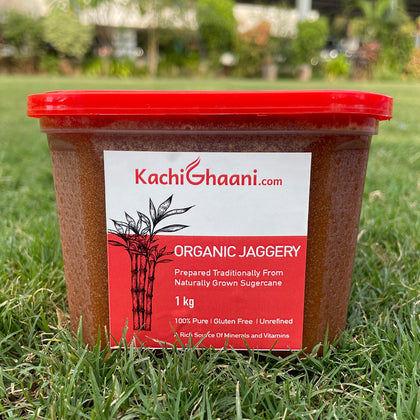
- 120 g Organic Jaggery, grated
- 100 g khoya (mawa), crumbled, optional
- 3 tbsp milk, for the filling
- 1/4 tsp green cardamom powder
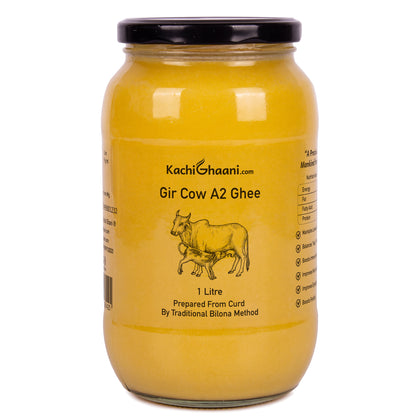
- 3 tbsp Gir Cow's A2 Ghee
Quantities are scaled up. Taste as you go and adjust the salt and spice.
Shop this recipe
Everything you need, from our press house
Middle of January, Poush Parbon, and the new jaggery is in the market. Bengali kitchens make pithe for a week and this is the one people wait for. The batter goes into the pan and is swirled thin, cooked on one side only until the edge starts lifting by itself, then a log of coconut filling is laid near the edge and it is rolled up while still soft. Somebody is always standing next to the stove eating them straight off the plate.
The filling is where Organic Jaggery does its work. It melts into the grated coconut and pulls it together into a soft sticky mass that will hold the shape of a log when you roll it, and being unrefined it browns the coconut slightly and gives that deep caramel taste. Gir Cow's A2 Ghee is wiped thin on the pan between every single crepe, which stops the batter catching and gives each patishapta a faint sweet smell as it cooks.
The one thing that decides this is resting the batter. A full hour, no less. The sooji in it needs that time to swell and soften. Skip it and the crepes stay grainy, refuse to spread thin, and tear the moment you try to roll them.
How to make it
- Mix the maida, rice flour, sooji, sugar and salt in a bowl. Pour the milk in slowly while whisking, so no lumps form. The batter should be thin, about the thickness of dosa batter. Cover and rest it for 1 hour.
- For the filling, heat 1 tbsp ghee in a kadhai on low. Add the grated coconut and fry for 3 minutes, stirring, until it smells sweet and looks dry at the edges.
- Add the jaggery. Keep the flame low and stir for 5 to 6 minutes, until it melts and the mixture comes together in one lump that leaves the sides of the pan.
- Add the khoya and 3 tbsp milk. Cook 3 minutes more until it is thick enough to hold a shape when you press it. Stir in the cardamom and take it off the heat. Cool it completely.
- Shape the cooled filling into 12 small logs about 8 cm long and as thick as your thumb. Cold logs are far easier to roll than warm ones, so make these first.
- Check the rested batter. It should coat the back of a spoon thinly and run off quickly. The sooji will have thickened it, so whisk in a splash of milk if needed.
- Heat a non stick pan or a well seasoned iron tawa on medium-low. Wipe it with a little ghee using folded kitchen paper. Pour about 40 ml batter into the centre and immediately tilt and swirl the pan into a thin circle of about 15 cm.
- Cook one side only, for 1.5 to 2 minutes, until the top looks dry and the edge starts to lift by itself. Lay a filling log near one edge, then fold that edge over with a spatula and roll it into a neat cylinder.
- Slide it onto a plate. Wipe the pan with ghee again before every crepe. Serve warm, plain or with a bowl of thickened milk poured over.
Tips
- About nolen gur: the classic Poush Parbon filling uses date palm jaggery, which we do not sell. Our Organic Jaggery is sugarcane gur, so the filling is a touch sweeter and less smoky. It makes an excellent patishapta, but it is a different gur and we would rather say so.
- Coconut swap: frozen grated coconut works well, thawed and squeezed dry. Desiccated coconut also works, but soak 150 g in 4 tbsp warm milk for 15 minutes first, or the filling will be dry and sandy.
- If the crepe tears when you roll it, the pan was too hot or the crepe was cooked a little too long. Drop the flame a notch and roll while the surface still looks slightly damp, not dry and crisp.
- Make ahead: the filling keeps 3 days in the fridge, so make it a day earlier and bring it back to room temperature before shaping.
- Storage: patishapta keeps 2 days in the fridge. Warm them in a pan with a few drops of ghee, never in a microwave, which turns them rubbery.