Rasam
Thin, hot, sour and peppery. It froths up once at the edges, you switch off, and the ghee tempering goes in with a hiss.

Ingredients
Serves 4
- For the fresh rasam podi (makes extra):
- 2 tbsp coriander seeds
- 1 tbsp black peppercorns
- 1 tbsp cumin seeds
- 1 tbsp toor dal
- 4 dry red chillies
- 1 sprig curry leaves
- For the rasam:
- 1/4 cup (50 g) toor dal
- 2 cups (480 ml) water, for cooking the dal
- 1 lemon-sized ball tamarind (25 g), soaked in 1 cup (240 ml) hot water for 20 minutes
- 2 medium tomatoes (200 g), ripe, crushed roughly by hand
- 2 cups (480 ml) water, extra
- 1/2 tsp turmeric powder
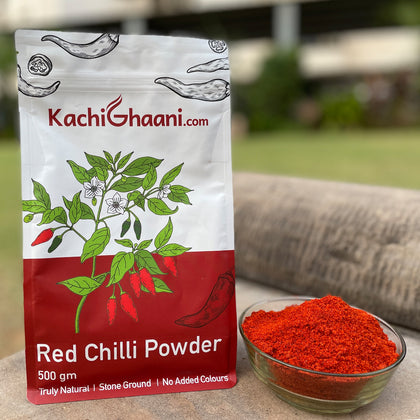
- 1/2 tsp Stone Ground Red Chilli Powder
- 1.5 tsp salt, or to taste
- 2 tbsp coriander leaves, chopped, plus stems
- For the tempering:
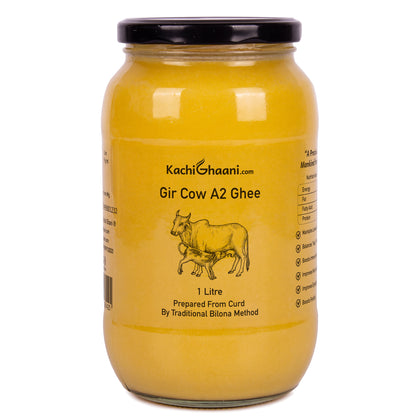
- 2 tbsp Gir Cow's A2 Ghee
- 1 tsp mustard seeds
- 1/2 tsp cumin seeds
- 2 dry red chillies, broken
- 1 sprig curry leaves
- 1/4 tsp asafoetida (hing)
Quantities are scaled up. Taste as you go and adjust the salt and spice.
Shop this recipe
Everything you need, from our press house
You can smell rasam from the gate. Someone has just crushed pepper and cumin in a stone mortar, and the tamarind water is simmering with tomato and curry leaves. Then the tempering pan: mustard seeds go off like tiny firecrackers, a dried chilli darkens, curry leaves curl and go crisp in two seconds, and the whole lot is tipped in. The rasam rises in a pale froth, right to the rim, and is pulled off the fire. Poured over a small mound of rice with a bit of ghee, it runs through and pools. The first spoon is sour, then peppery, then the heat catches the back of your nose and you sniff. That is rasam working properly.
The tempering has to be in ghee, and Gir Cow's A2 Ghee is right for it because it is made the bilona way from cultured curd, so it carries a slightly sour, grainy, almost cheesy note that sits perfectly with tamarind. Ghee also takes heat calmly, right up to about 250 degrees, which is what you need for mustard seeds to actually pop instead of just swelling. And unlike oil, ghee spreads a thin shine across the top of the rasam that holds the aroma in until it reaches the table.
The one rule that decides this dish: rasam must never come to a rolling boil. Watch for the moment a pale foam climbs up the sides, then switch off immediately. Boiled rasam goes flat and muddy, the pepper turns bitter, and the fresh coriander smell disappears. It should take about four minutes of gentle heat after the dal water goes in, and not a minute more.
How to make it
- Make the podi first. Dry roast the coriander seeds, peppercorns, cumin, toor dal and red chillies on low heat for 4 to 5 minutes, stirring, until the dal turns light gold and the pepper smells sharp. Add the curry leaves for the last 20 seconds. Cool fully, then grind coarse. You need 2 tsp for this rasam; store the rest.
- Pressure cook the toor dal with 2 cups water and a pinch of turmeric for 4 whistles. Mash it smooth with a whisk. Take out half a cup of the thick dal for the rasam and thin the rest with water.
- Squeeze the soaked tamarind hard with your fingers and strain the pulp. Discard the fibre. You should have about 1 cup of brown tamarind water.
- Pour the tamarind water into a wide vessel, ideally a tin eeya chombu or a heavy steel pot. Add the crushed tomatoes, turmeric, chilli powder, salt and the coriander stems. Simmer on medium for 8 to 10 minutes.
- You will know the tamarind is cooked when the raw sour smell goes and the liquid loses its cloudy look. Do not rush this step. Raw tamarind makes rasam taste harsh.
- Stir in 2 tsp of the fresh rasam podi and 2 cups of extra water. Bring it back to a gentle simmer for 2 minutes.
- Add the half cup of mashed dal and stir. Now watch closely. In about 3 to 4 minutes a pale foam will rise up the sides of the vessel. The instant it does, switch off the flame. Do not let it boil.
- Heat the ghee in a small pan. Add the mustard seeds and wait for them to crackle, then the cumin, the broken red chillies and the curry leaves, which will crisp in about 2 seconds. Switch off and stir in the asafoetida.
- Pour the tempering over the rasam. Cover the vessel at once for 5 minutes so nothing escapes.
- Scatter the chopped coriander leaves on top. Serve hot over rice with a small spoon of ghee, or drink it plain from a steel tumbler.
Tips
- Grind the podi fresh if you can. Pepper loses its bite within weeks of grinding. Even a small batch made this morning tastes noticeably sharper than a packet opened last month.
- The tomatoes should be crushed by hand, not chopped. Torn tomato dissolves into the rasam and leaves a softer sourness. Neat cubes stay as cubes.
- Rasam is meant to be thin. If yours is thick, you have used too much dal. Half a cup of mashed dal for four servings is plenty; it should just cloud the liquid, not thicken it.
- Reheating: warm it gently and stop well before it bubbles. Rasam boiled twice tastes tired.
- For a cold and blocked nose, make it with double pepper and skip the dal completely. That version is called milagu rasam and it is drunk hot from a tumbler.
- We do not sell tamarind, dals or whole spices. Buy them fresh from a shop with quick turnover. Old peppercorns are the usual reason rasam tastes flat.