Rava Dosa
Thin, brittle, full of holes and gold at the edges, so crisp it crackles when you fold it off the tawa and drop it on the plate.

Ingredients
Serves 4
- 1/2 cup (85 g) fine rava (semolina), unroasted
- 1/2 cup (70 g) rice flour
- 1/4 cup (30 g) maida (all purpose flour)
- 2.5 cups (600 ml) water, plus a little more if needed
- 1 tsp salt, or to taste
- 1/2 tsp cumin seeds
- 1/2 tsp black pepper, coarsely crushed
- 1 inch ginger, chopped very fine
- 2 green chillies, chopped fine
- 10 curry leaves, torn
- 2 tbsp coriander leaves, chopped
- 1 medium onion (80 g), chopped very fine
- 10 cashew nuts, broken small, optional
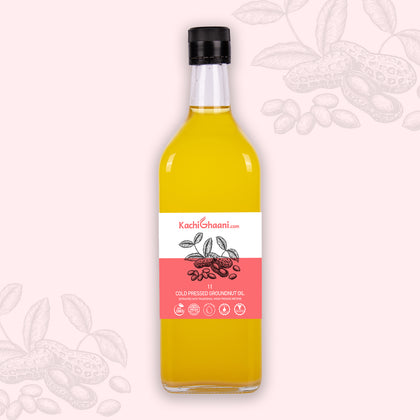
- 6 tbsp (90 ml) wooden cold pressed groundnut oil, for the tawa
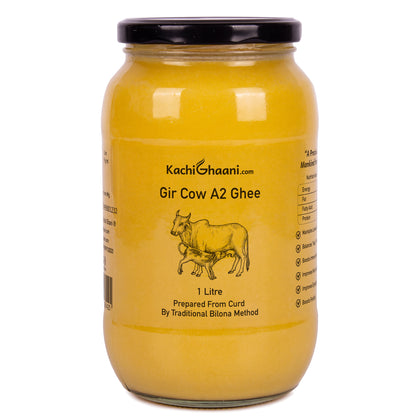
- 2 tbsp Gir Cow's A2 Ghee, optional, for finishing the dosas
Quantities are scaled up. Taste as you go and adjust the salt and spice.
Shop this recipe
Everything you need, from our press house
A darshini counter in Bangalore at half past eight. The tawa is wide and black and glowing. A steel tumbler of watery batter is lifted high and poured in a circle from a foot above the pan, edge first, then in towards the middle. It does not get spread. It spreads itself, and where it lands it sizzles and pulls apart into a net of holes. Oil goes around the rim in a thin line, and in two minutes the dosa is lifted, thin as paper, golden brown, full of gaps you can see the roof through. It is folded once, dropped on the plate, and it crackles as it lands. You break off the crisp edge and dip it in coconut chutney and hear it snap.
Rava dosa needs oil that can sit on a hot tawa without turning bitter, and of everything we press, groundnut oil takes the most heat. It is pressed cold in a wooden ghaani, so it keeps a light nutty smell, but it is clean enough not to fight with the cumin and pepper in the batter. It also fries rather than steams: poured around the edge, it works into the holes and crisps the lace instead of just greasing it. Two teaspoons per dosa, half around the rim and half in the middle, is right.
The thing that decides this dosa is the batter, and it is thinner than everyone expects. It should pour like buttermilk, not like dosa batter, and it will look far too watery. That is correct. The other half of it is stirring: rava and rice flour sink to the bottom within a minute, so give the batter a proper stir with the ladle every single time before you pour, or your last dosa will be a thick pale pancake.
How to make it
- Put the rava, rice flour and maida in a wide bowl. Whisk in the water a little at a time so no lumps form. The batter must be very thin and watery, closer to buttermilk than to dosa batter.
- Add the salt, cumin, crushed pepper, ginger, green chillies, curry leaves and coriander. Leave the onion out for now.
- Rest the batter for 20 to 30 minutes. The rava needs this time to soften; skip it and you get gritty dosas with hard specks in them.
- After resting, check the consistency again. The rava will have swollen and drunk some water. Add up to 1/2 cup more water until it pours in a thin stream off the ladle.
- Stir in the chopped onion and cashews now. Onion added early draws out water and changes the batter.
- Heat a flat iron tawa on medium-high until a few drops of water flicked on it hiss and disappear at once. Rub it with half an onion dipped in oil, or with an oiled cloth.
- Stir the batter well from the bottom. Take a ladleful and pour it from about a foot above the tawa, starting at the outer edge and moving inwards in a circle, filling the gaps loosely. Do not spread it with the ladle. There should be small holes all over.
- Drizzle 1 tsp groundnut oil around the edge and 1 tsp over the middle. Turn the flame to medium and cook, undisturbed, for 2 to 3 minutes.
- The dosa is ready to move when the edges lift away from the tawa on their own and the underside is a deep even gold. Rava dosa needs longer than a plain dosa, so give it time.
- Flip it and cook 30 to 45 seconds on the other side, or skip the flip and simply fold it over if you like it crisper. Brush with a little ghee if you are using it.
- Serve immediately, straight from the tawa, with coconut chutney and sambar. Wipe the tawa with a damp cloth between dosas and stir the batter again before each one.
Tips
- Stir before every single dosa. The flours settle in under a minute. This one habit is the difference between ten lacy dosas and two lacy dosas followed by eight thick ones.
- Pour from a height. The batter has to fall and splash to make its own holes. Poured gently and close to the pan, it fills into a solid sheet.
- Do not touch it too early. Rava dosa is fragile until it has crisped. If it tears when you try to lift it, it needed another minute.
- If your dosa comes out soft instead of crisp, the batter is too thick. Add water a quarter cup at a time. It should look alarmingly thin in the bowl.
- Chop the onion very fine. Big pieces sit in the holes, hold moisture and make the dosa go soggy in the middle.
- We do not sell rava, rice flour or maida. Use fine rava, not coarse, and sieve the rice flour if it has been sitting in the cupboard.