Gujiya
The shell breaks into blistered shards and the mawa inside is warm, grainy and sweet, with dry coconut and cardamom right behind it.

Ingredients
Serves 18
- 2 cups (250 g) maida (plain flour)
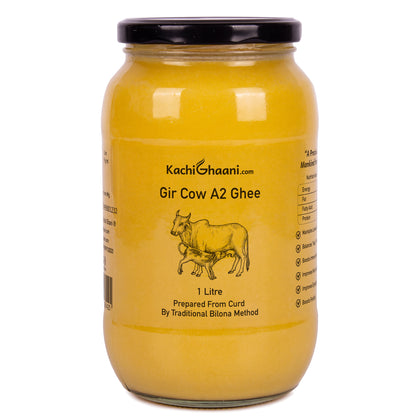
- 1/4 cup (60 ml) Gir Cow's A2 Ghee, melted, for the moyan
- 1/8 tsp salt
- About 1/3 cup (80 ml) cold water, added a spoon at a time
- 200 g mawa (khoya), crumbled, bought separately
- 1/2 tbsp Gir Cow's A2 Ghee, to roast the mawa
- 1/4 cup (25 g) dry coconut (copra), grated
- 1.5 tbsp fine sooji (semolina)
- 1/4 cup (40 g) almonds, cashews and pistachios, chopped
- 1/3 cup (45 g) powdered sugar (boora)
- 1 tsp green cardamom powder
- 1/4 tsp nutmeg powder
- 2 tbsp raisins
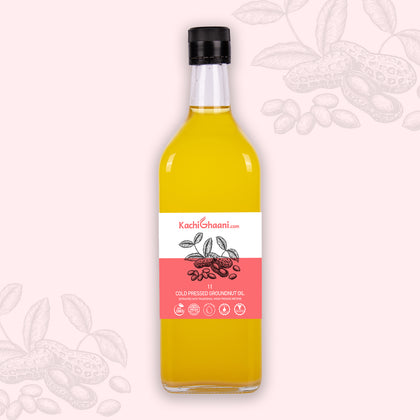
- 700 ml Wooden Cold Pressed Groundnut Oil or Gir Cow's A2 Ghee, for deep frying
Quantities are scaled up. Taste as you go and adjust the salt and spice.
Shop this recipe
Everything you need, from our press house
Two days before Diwali, and every flat surface in the house is covered with rows of pale half-moons, their edges pinched into a rope. The kadhai has been on since morning. The first batch comes out the colour of wheat, not brown, and you are told to wait, but you never do. You break one and the shell shatters into small blistered shards. Inside, the mawa is still warm and grainy and sweet, with dry coconut catching in your teeth and cardamom arriving a second later.
Gujiya, or karanji as it is called across Maharashtra and Gujarat, is held together by ghee twice over. Gir Cow's A2 Ghee is rubbed into the maida as moyan, which is what makes the shell short and flaky instead of hard and glassy, and traditionally the same ghee fries them, which is where that unmistakable festive smell comes from. If you are making a large Diwali batch and do not want to give up that much ghee, wooden cold pressed groundnut oil is the sensible second choice. It stays steady across the long twenty-minute fry that a gujiya really needs. Ghee for the moyan is not negotiable either way.
Gujiya are lost at the seam. Brush water along the edge, press it shut firmly with no air trapped inside, and then either twist the rim into a rope or press it flat with a fork. If a single one opens in the kadhai, the filling floods the oil and you cannot fry another batch in it. Overfilling is what causes it, so two teaspoons per gujiya and no more, however tempting.
How to make it
- Rub the melted ghee and salt into the maida with your fingertips for 3 minutes. Squeeze a fistful: it must hold its shape like wet sand and not crumble apart. If it crumbles, add another spoon of ghee.
- Add cold water a spoon at a time and gather it into a firm, tight dough, stiffer than roti dough. Do not knead it soft. Cover with a damp cloth and rest 20 minutes, then knead 2 minutes until smooth.
- Roast the crumbled mawa in 1/2 tbsp ghee on low for 8 to 10 minutes, stirring, until it loses its wet look, turns a shade golden and smells like milk sweets. Move it to a plate to cool.
- In the same pan, on low, fry the chopped nuts for 2 minutes, then add the sooji and grated coconut and roast 4 minutes more until both are light gold and smell toasted. Cool completely.
- Mix the cooled mawa, the sooji and coconut mixture, powdered sugar, cardamom, nutmeg and raisins. The filling must be dry and crumbly. If it feels damp, roast it a few minutes longer, because damp filling steams inside the shell and bursts it open.
- Divide the dough into 18 balls. Roll each into a thin round about 10 cm across, no thicker than 2 mm. Keep the rest covered with a damp cloth so they do not dry out.
- Put 2 tsp of filling on one half, leaving a clear 1 cm border. Brush the border with water, fold over into a half moon, and press the edges together hard from the inside out to push all the air out.
- Seal properly: either twist the rim into a small rope, pinching and folding a section at a time, or press all along the edge with the back of a fork. Trim with a gujiya cutter if you have one. Keep the finished ones under a cloth.
- Heat the frying fat on low to about 140C. A pinch of dough should sink, then rise slowly with only a few small bubbles around it. This is a low, slow fry and it cannot be hurried.
- Slide in 5 or 6 gujiya. Leave them undisturbed for the first 5 minutes, then turn gently every few minutes. Fry 12 minutes on the first side and about 8 after turning, until they are pale wheat gold, firm and covered in fine blisters.
- Lift onto a rack and cool completely before storing. They crisp up as they cool, so judge nothing while they are hot.
Tips
- Low oil, long fry. Hot oil colours a gujiya in four minutes and leaves the shell soft by evening. Fifteen to twenty minutes on low is what makes it stay crisp for a fortnight.
- Mawa, boora and sooji are bought separately. We do not sell them. Get mawa fresh from a good halwai the same morning you plan to make these.
- Two teaspoons of filling, no more. Every gujiya that opens in the kadhai was overfilled or had air trapped inside it.
- Dry coconut, never fresh. Fresh coconut carries water and the filling will go sour within two days. Copra keeps the whole batch good for two weeks.
- For a syrup coating, make a one-thread sugar syrup, dip the cooled gujiya for 10 seconds, lift and dry them on a rack. Skip it if you like them plain, which is how most Maharashtrian homes make karanji.
- Storage: completely cool, then airtight. They keep 2 weeks at room temperature and lose their crispness in the fridge.