Murukku (Thenkuzhal)
Pale gold coils that shatter at the first bite, with cumin through them and the clean nutty smell of sesame oil still on your fingers.

Ingredients
Serves 8
- 2 cups (280 g) fine rice flour, preferably raw rice flour
- 1/2 cup (60 g) urad dal flour (dry roast urad dal on low for 5 minutes, cool, grind fine and sieve)
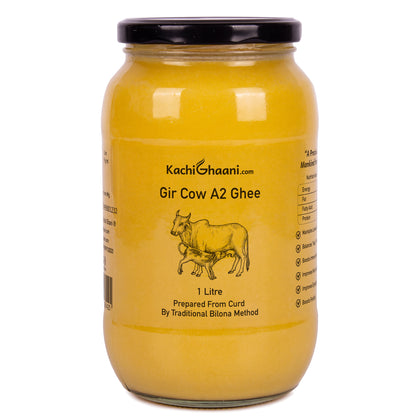
- 1.5 tbsp (20 g) Gir Cow's A2 Ghee, soft, at room temperature
- 1.5 tsp cumin seeds
- 1 tsp white sesame seeds, optional
- 1/4 tsp asafoetida (hing)
- 1.25 tsp salt
- About 3/4 cup (180 ml) water, added a little at a time
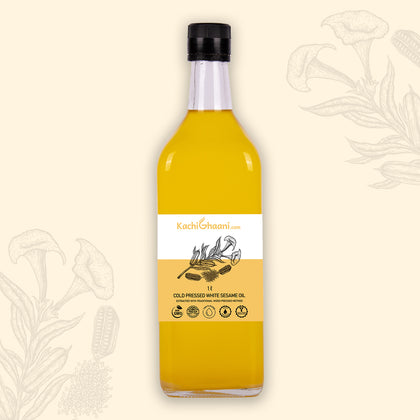
- 500 ml wooden cold pressed white sesame oil, for deep frying
- 1 tsp wooden cold pressed white sesame oil, for greasing the ladles
Quantities are scaled up. Taste as you go and adjust the salt and spice.
Shop this recipe
Everything you need, from our press house
Two days before Diwali and the whole street smells of frying. In the kitchen a brass murukku press is being turned over a greased ladle and the dough comes out in a thin rope, laid down in three or four neat rings. The ladle is tipped into the oil and the murukku slides off with a roar. It bubbles hard for a minute, then the noise starts dropping, and when the pan goes almost quiet the murukku is lifted out, pale gold and faintly speckled with cumin. It cools on newspaper for five minutes. The first bite gives way with a dry crack and keeps cracking, and there is that clean nutty sesame smell left on your fingers afterwards.
Tamil homes fry murukku in nallennai, cold pressed gingelly oil, and the reason is taste rather than technique. Refined oil fries the murukku and leaves nothing behind. Our white sesame oil is pressed slowly in a wooden ghaani without any heat, so it keeps its raw nutty character, and a little of that soaks into every coil. Because it is unrefined, keep it on a steady medium heat and never let it smoke. If a haze appears above the pan, the oil is too hot: pull it off the flame for a minute before the next batch.
The one thing that decides murukku is how much fat is in the dough, and it cuts both ways. Too little and the murukku comes out hard and hurts your teeth. Too much and it breaks while you press it, or falls apart in the oil. One and a half tablespoons of soft ghee for one cup of rice flour is the balance. And the dough must be soft, softer than chapati dough, so it presses out without you having to force it.
How to make it
- Sieve the rice flour and urad dal flour together twice into a wide bowl. Sieving is not fussiness here; a single lump will block the press.
- Add the cumin, sesame seeds, asafoetida, salt and the soft ghee. Rub the ghee in with your fingertips for a minute, until the flour looks like damp sand and holds together briefly when you squeeze it.
- Add water in small amounts, mixing with your hand, until you have a soft, smooth dough. It should be softer than chapati dough and should not crack when you roll a ball of it. Do not knead it hard.
- Cover the dough with a damp cloth. Fit the three-hole star plate, or the small five-hole thenkuzhal plate, into the murukku press and grease the inside lightly with oil.
- Heat the sesame oil in a deep kadhai on medium. Test it by dropping in a pea-sized piece of dough: it should sink for a second, then rise steadily to the top surrounded by small bubbles. If it browns instantly the oil is too hot.
- Grease the back of two or three flat ladles. Fill the press with dough and turn the handle, laying the dough down in three or four concentric rings on each ladle, joining the loose end back to the coil with a wet fingertip so it does not unravel.
- Hold a ladle just above the oil and let the murukku slide off. Fry two or three at a time and no more; a crowded pan drops the oil temperature and the murukku drinks oil.
- Fry on medium, turning once after about 90 seconds. Listen to the pan. It will bubble loudly at first and then go quiet as the moisture leaves. That quiet is your timer.
- Lift the murukku out when it is pale gold and the bubbling has almost stopped, roughly 3.5 to 4 minutes in total. Murukku fried till dark brown tastes bitter, and it will darken a shade more as it cools.
- Drain on a rack or on paper. Let each batch cool completely before you touch it; murukku crisps as it cools, not in the oil.
- Store in an airtight steel dabba once fully cold. It keeps well for 3 weeks. Never put warm murukku into a container, or the trapped steam will soften the whole lot.
Tips
- Work with small portions of dough. Keep the rest under a damp cloth. Dough left open dries out within ten minutes and starts breaking as you press it.
- If the murukku breaks while pressing, the dough is too dry or has too much fat. Add a spoon of water first and try again; add rice flour only if it is clearly greasy.
- If it drinks oil and turns limp, the oil was not hot enough or the pan was overcrowded. Bring the oil back up to temperature between batches.
- Roast your own urad flour. Roasted urad dal ground at home gives a much better smell and a lighter murukku than raw urad flour from a packet. Five minutes on low heat is enough.
- Do not throw away the frying oil. Cool it, strain it through a cloth into a clean jar, and use it within a week or two for tempering or for the next round of frying.
- We do not sell rice flour, urad dal or cumin. Buy fine raw rice flour, and sieve it even if the packet says it is fine.