Shankarpali
Small sweet diamonds that snap between your fingers and shatter on the first bite, with the smell of warm ghee still on them.

Ingredients
Serves 8
- 1.5 cups (190 g) maida (plain flour)
- 1/3 cup (55 g) fine rava (semolina)
- 1/2 cup (100 g) sugar, powdered
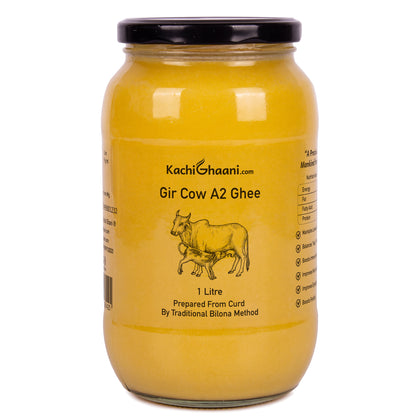
- 1/3 cup (75 g) Gir Cow's A2 Ghee, melted and hot
- 1/3 cup (80 ml) full fat milk, warm
- 1/4 tsp salt
- 1/4 tsp green cardamom powder, optional
- 600 ml Gir Cow's A2 Ghee or Wooden Cold Pressed Groundnut Oil, for deep frying
Quantities are scaled up. Taste as you go and adjust the salt and spice.
Shop this recipe
Everything you need, from our press house
The week before Diwali, and the faral dabbas are lining up on top of the cupboard. Shankarpali is the one that never lasts. Small pale diamonds, barely coloured, that snap between your fingers and then break apart into flakes on the first bite. They are only faintly sweet, so you eat four before you notice, and there is the smell of warm ghee on your hands afterwards. Every house has an aunt who cuts them smaller than everyone else and insists that is the correct size.
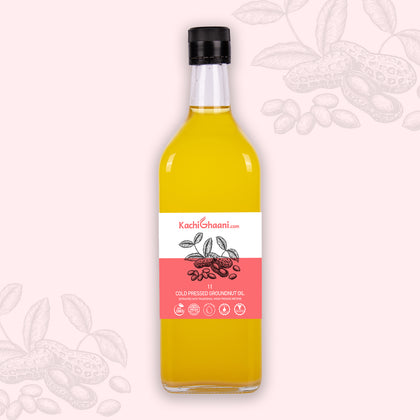
Two things make shankarpali flaky instead of hard, and both are about the ghee. Gir Cow's A2 Ghee goes in melted and hot, into warm milk with the sugar, so it coats every grain of flour and stops long gluten strands forming. That is what gives you a short, crumbly bite. Traditionally the frying is in ghee too, which gives the richest version and a smell that fills the house. For a big Diwali batch, wooden cold pressed groundnut oil fries them just as well and stays steady over the low, slow cooking they need.
Everything after that is about the flame. Shankarpali must be fried low and slow, eight to ten minutes, until they are barely pale gold. If they colour quickly, the outside has set while the inside is still raw dough, and within two days they will be soft in the dabba. Fry a test batch of six, cool them completely, and only then judge. They crisp as they cool, always.
How to make it
- Warm the milk until it is hot to the finger but not boiling. Stir in the powdered sugar and the hot melted ghee and keep stirring until the sugar has completely dissolved and you cannot feel grains at the bottom. Let it cool to just warm.
- Mix the maida, rava, salt and cardamom in a wide bowl. Pour in the warm milk mixture and bring it together with your hand.
- Knead for 3 to 4 minutes into a firm, smooth, tight dough. It should feel like a stiff chapati dough, never soft or sticky. Add a spoon of warm milk only if it will not come together.
- Cover with a damp cloth and rest 25 to 30 minutes. This rest lets the rava swell, and it is why shankarpali stay crisp rather than turning hard.
- Divide into 3 portions. Roll each into a thick round about 5 mm thick, roughly the thickness of a one rupee coin. Thinner ones turn into biscuits, thicker ones stay doughy in the middle.
- Cut into diamonds with a knife or a pizza cutter: straight lines one way, then diagonal lines across. Separate the pieces and lay them out on a tray. Gather the scraps, re-roll once and cut again.
- Heat the frying ghee or oil on low to about 150C. A piece dropped in should sink to the bottom and rise slowly after 5 or 6 seconds, with lazy bubbles around it. If it browns fast, take the pan off the heat for two minutes.
- Slide in 12 to 15 pieces at a time, without crowding. Fry on low for 8 to 10 minutes, stirring gently every couple of minutes, until they are an even pale gold and the bubbling has almost stopped.
- Lift onto a rack lined with paper. They will feel slightly soft while hot and become properly crisp as they cool, so let them cool fully before you decide the frying time for the next batch.
- Cool completely, for at least an hour, then store in an airtight dabba. They keep for 3 weeks.
Tips
- Dissolve the sugar completely. Undissolved grains caramelise in the oil, brown the shankarpali unevenly and make dark bitter patches. Powdering the sugar first is the easiest way.
- If they turned hard, the dough was over-kneaded or short of ghee. The moyan should be enough that a fistful of the dry mix holds its shape when you squeeze it.
- If they went soft in the dabba, they were fried too fast or stored while still warm. Low flame, full cooling, then the lid goes on.
- Fry a test six first. Cool them for ten minutes and taste before you commit the batch. It is the only reliable way to check the frying time on your stove.
- Frying in ghee gives the richer, more festive shankarpali. Groundnut oil is completely fine for a large batch, and the ghee in the dough still comes through clearly.