The kitchen oil chart: which oil for dal, sabzi, poori, achaar and baking

This is the article we wish we could laminate and stick inside every kitchen cupboard in the country: one chart, dish by dish, saying which oil to reach for and why. No single oil wins everything — we have made that case at length — so here is the whole map instead.
The chart
| The job | First choice | Also excellent | Why |
|---|---|---|---|
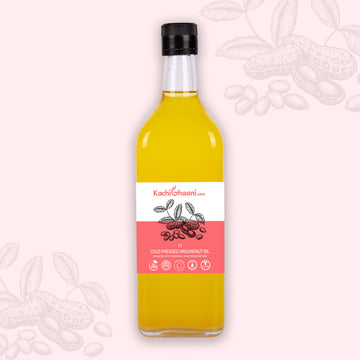
| Everyday sabzi & sautéing | Groundnut | White sesame, coconut | Comfortable at everyday temperatures, neutral enough to let the masala lead |
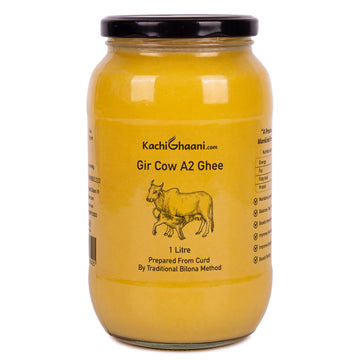
| Dal chhonk / tadka | Ghee | Mustard (east), sesame (south) | The finishing tadka is pure flavour — use the fat with the most to say |
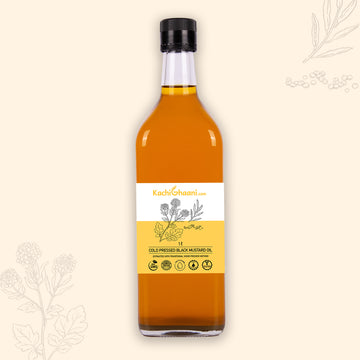
| Deep frying — poori, bhajiya | Black mustard | Ghee (festive) | 250°C / 482°F headroom; unrefined groundnut (~180°C) fries only at a held, steady heat |
| Achaar | Black or yellow mustard | Gingelly (southern pickles) | Pungency is the preservative tradition trusted; raw-pressed keeps it loud |
| Baking cakes & cookies | Safflower (kardai) | Coconut (flavour-forward bakes) | Neutral by design — and oven batter temperatures suit it; it is not a stovetop frying oil |
| Salads, chutneys & raita | Flaxseed | Almond | Raw-only finishing oils — never heated, added after the flame |
| Chilla, dosa & the tawa | White sesame | Groundnut, coconut | Moderate tawa work with flavour to contribute |
| Festive sweets & halwa | Ghee | — | In mithai the fat is the flavour; nothing substitutes |
| Raw drizzles & chaat | Kalonji | Flaxseed | Peppery, herby finishers — half a teaspoon changes a plate |
How do you read this chart honestly?
Three rules keep it truthful. First, temperature is a hard limit, not a suggestion — the right-hand reasons lean on smoke points, and the full table with every figure (including where the refined-oil numbers everyone quotes go wrong) lives in our smoke point reference. Flax and almond stay raw; safflower stays gentle; the kadhai belongs to mustard and ghee.
Second, flavour is a feature, not a bug. Where the chart names sesame or coconut it is hiring their aroma, not just their heat tolerance — a thoran in neutral oil is a lesser thoran. When you want the spices alone to speak, that is what groundnut’s neutrality is for.
Third, the chart assumes unrefined oils — ours, pressed raw and slow. Refined versions of these oils behave differently (higher smoke points, flatter flavour), which is exactly the trade slow wooden pressing refuses.
What should a starter shelf look like?
You do not need nine bottles. Four cover the whole chart for most homes:
- Groundnut — the everyday workhorse
- Black mustard — frying days and the achaar jar
- A2 ghee — tadka, sweets, festivals
- One raw finisher — flaxseed or almond, bought small
Households that cook coastal add coconut; winter kitchens add sesame; achaar season adds the yellow mustard. Rotate within each role as bottles empty — that is variety handled without a spreadsheet.
Where do you go from here?
The compare-oils page puts any two of our oils side by side — aroma, dosha view, smoke point, best uses — when a row above offers you a choice and you want the tie broken. Fair warning about the chart: it settles arguments in a very specific way. The mustard-oil households discover the safflower cake; the coconut loyalists fry one batch of bhajiya in mustard; and the cupboard slowly acquires its fourth bottle. That is the chart working as intended.