Are seed oils bad for you? The debate without the noise
Are seed oils bad for you? They are blamed for inflammation and chronic disease. Here is what the 'hateful eight' claim gets wrong, what it gets partly right, and how to use cooking oils well.

Are seed oils bad for you? For most people, no. Controlled trials have not shown that the omega-6 fat in seed oils raises inflammation, and swapping saturated fat for unsaturated oils lowers LDL cholesterol and is linked with lower heart risk. The real problems sit around seed oils: ultra-processed food, frying oil used again and again, and fragile oils heated too hard.
The idea that seed oils are toxic is loud in the US, the UK and Australia right now. It mixes a few fair points with a lot of fear. Here is the claim, the evidence, and what it means in a real kitchen.
At a glance
- "Seed oils" usually means the "hateful eight": canola, corn, cottonseed, soybean, sunflower, safflower, grapeseed and rice bran oil.
- Trials in healthy adults have not found that linoleic acid, the main omega-6 fat in these oils, raises inflammation markers.
- The World Health Organization (2026) and the American Heart Association still advise replacing saturated fats with unsaturated oils, seed oils included.
- The fair concerns are ultra-processed food, reused frying oil and heavy heat on fragile oils.
- Cold pressed oils keep more natural compounds, but their fats are the same, and they need gentler heat.
What are seed oils, and what is the "hateful eight"?
Seed oils are oils taken from the seeds of plants. The "hateful eight" is a list of the most common ones, popularised by the American doctor and author Cate Shanahan: canola, corn, cottonseed, soybean, sunflower, safflower, grapeseed and rice bran.
Most of these are sold refined. Large plants press the seeds, pull out the remaining oil with a solvent such as hexane, then bleach and deodorise it so it is clear and tasteless. Our guide to how refined oil is made walks through each step.
Strictly speaking, groundnut, sesame, mustard and flaxseed oils are seed oils too, though they are not on the list. Olive, avocado, coconut and palm oils come from fruit.
Why are seed oils bad, according to their critics?
The case against them rests on four claims.
- Omega-6 causes inflammation. These oils are rich in linoleic acid, which the body can turn into compounds involved in inflammation.
- They break down when heated. Oils high in polyunsaturated fat oxidise more easily, especially in long, hot frying.
- They are industrial. Solvents, bleaching and high-heat deodorising sound, and are, a long way from a kitchen.
- Their rise tracks chronic disease. Seed oil use climbed through the 20th century alongside obesity and diabetes.
The first claim is the weakest, the second and third deserve a fair hearing, and the fourth is a correlation that many other changes in diet and lifestyle share.
Do seed oils cause inflammation?
The evidence says no, not in the way the claim suggests. When healthy adults were given more linoleic acid in controlled trials, reviews of those trials found no meaningful rise in blood markers of inflammation. The body keeps tight control over how much linoleic acid becomes arachidonic acid, the starting point for those compounds.
Large studies that measure linoleic acid in people's blood also link higher levels with lower, not higher, heart disease risk. The reasonable takeaway is balance: many diets are low in omega-3, so it helps to include omega-3 foods, not to fear omega-6. Our guide to omega-3 and omega-6 in plain language explains the difference.
Are seed oils bad for your heart?
Not when they replace saturated fat. A 2020 Cochrane review of 15 trials, covering about 59,000 people, found that cutting saturated fat lowered combined cardiovascular events by 21%. The World Health Organization's 2026 fact sheet advises replacing butter, lard and ghee with oils rich in polyunsaturated fat, and names safflower, sunflower, soybean, corn and canola. The American Heart Association lists most of the "hateful eight" among its healthy cooking oils.
Critics point to a few older trials, such as the Sydney Diet Heart Study from the 1960s, which used safflower oil and, in later re-analyses, showed more deaths in the group eating it. Those trials are old, and their designs, including margarines of the time that may have contained trans fats, are debated. They are part of the story, but the larger body of evidence points the other way.
The new US Dietary Guidelines for 2025 to 2030, released in January 2026, do not tell Americans to avoid seed oils. They keep the limit of 10% of calories from saturated fat, suggest favouring oils such as olive oil, name butter or beef tallow as other options, and tell people to avoid highly processed packaged foods that are salty or sweet.
When are seed oils bad for you?
Mostly when they come with ultra-processed food, endless reuse or fierce heat. On these three points the critics are right, and they are worth acting on.
- Ultra-processed food. Packaged snacks, fast food and fried foods are usually made with refined seed oils. The harm in that pattern comes mostly from the food itself, which is easy to overeat, salty and sweet, not from the oil alone.
- Reused frying oil. Oil heated again and again breaks down into harmful compounds. Fry in fresh oil and do not keep topping up old oil.
- Fragile oils under fierce heat. Oils very high in polyunsaturated fat, such as safflower, sunflower and flaxseed, oxidise fastest. Use them raw or on gentle heat, and use more stable oils for high-heat cooking.
Are cold pressed seed oils different from refined seed oils?
Yes in processing, no in their basic fats. Cold pressed oils are pressed without solvents and are not bleached or deodorised, so they keep more vitamin E, natural plant compounds and flavour. Refining can also create small amounts of process contaminants, which regulators cap. The trade-off is that unrefined oils have lower smoke points and a shorter shelf life. For more, read is refined oil bad for you.
| Oil | On the "hateful eight"? | Main fat | Best use |
|---|---|---|---|
| Safflower (traditional kind) | Yes | Mostly omega-6 | Raw or gentle heat |
| Sunflower (regular) | Yes | Mostly omega-6 | Gentle to medium heat |
| Groundnut | No | Mostly monounsaturated | Everyday cooking, shallow frying |
| Mustard | No | Mostly monounsaturated, some omega-3 | Tadka, high-heat Indian cooking, pickles |
| Sesame | No | Monounsaturated and omega-6 | Everyday cooking, dressings |
| Flaxseed | No | Mostly omega-3 | Cold food only, never heated |
Who should take extra care?
- Allergies: unrefined peanut, sesame and mustard oils can carry the allergen of their seed. Avoid them if you are allergic.
- Heart or cholesterol conditions: follow the eating plan your doctor or dietitian gives you; this article is general information.
How to use our oils
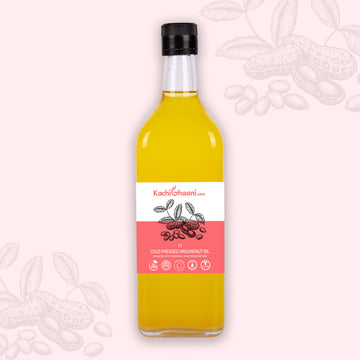
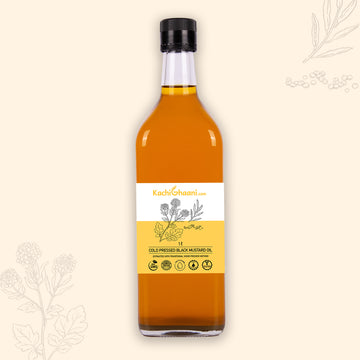
Our oils are pressed slowly in wooden ghaanis and left unrefined: no solvents, no bleaching, no deodorising. Use our Truly Cold Pressed groundnut oil and Truly Cold Pressed black mustard oil for everyday Indian cooking, and keep our Truly Cold Pressed safflower oil for dressings, chutneys and gentle heat. Rotating between two or three oils is a simple, sensible habit.
The bottom line
So, is seed oil bad for you? Not in the way the online claims suggest: seed oils are not toxic, and the omega-6 inflammation claim does not stand up to controlled trials. Eat less ultra-processed and deep-fried food, never reuse frying oil endlessly, match each oil to the right heat, and you have dealt with the real problems.
Frequently asked questions
Is olive oil a seed oil?
No. Olive oil is pressed from the flesh of the olive fruit, not from a seed, so it is not on the hateful eight list. It is mostly monounsaturated fat. Avocado, coconut and palm oils also come from fruit. Groundnut, sesame, mustard and flaxseed oils are seed oils, though they are rarely included in the debate.
Is canola oil bad for you?
The evidence does not show that it is. Canola is low in saturated fat and has some omega-3, and heart-health bodies list it as a good choice. Most canola oil is refined, so if you prefer less processing, choose an unrefined oil and use it at the heat it suits.
Is it healthier to cook with butter, ghee or beef tallow instead?
Not according to most evidence. These fats are mostly saturated, and the World Health Organization advises replacing them with unsaturated oils. The 2026 US guidelines list butter and tallow as options but still cap saturated fat at 10% of calories. Enjoy them in small amounts for flavour.
Do seed oils make you gain weight?
Not more than other fats. Every oil has about 120 kcal per tablespoon. Weight gain is about total calories over time, and the foods most often made with seed oils, such as chips, fried snacks and pastries, are easy to overeat. Cutting those foods matters more than switching oils.
What is the healthiest oil to cook with?
There is no single winner. Choose oils low in saturated fat, match each oil to the heat it can take, and rotate two or three: for example, groundnut or mustard for everyday cooking, and flaxseed or safflower for cold dishes. How much you use matters as much as which one.