Nasya oil: how to oil your nose the Ayurvedic way, safely
Nasya oil is a little oil placed in the nose, an Ayurvedic daily practice. Here is the gentle method, which oils are used, what science says, and the safety rules that matter most.

Nasya oil is oil placed in the nose, an Ayurvedic practice meant to keep the nasal passages soft and moist. The gentle daily form, called pratimarsha nasya, uses just one or two warm drops of sesame oil or ghee in each nostril, or a fingertip smear just inside. It may ease a dry nose; little else is proven.
Done gently, it is a small, soothing habit. Done carelessly, by sniffing oil up hard or giving it to babies, it can let oil reach the lungs. Here is the tradition, the evidence and the safety rules, step by step.
At a glance
- Pratimarsha nasya, the daily home form, is one or two drops per nostril. Clinic nasya uses larger doses of medicated oils and is given by a practitioner.
- Plain sesame oil and ghee are the traditional home choices; North Indian homes also use almond oil (badam rogan).
- A small trial found sesame oil eased dry-nose symptoms better than saline drops. Good evidence for other claims is lacking.
- Oil drawn deep into the airway can cause a rare lung problem, lipoid pneumonia. Never sniff hard, and never use nasal oil for infants.
- Skip it during colds, sinus infections and nosebleeds, and after nose or sinus surgery.
Nasya oil benefits: what is it used for?
Mainly to keep the inside of the nose soft and moist; most other benefits claimed for it rest on tradition. In Ayurveda, nasya is any practice that works through the nose, which the classical texts call the doorway to the head. A daily drop of oil is part of dinacharya, the Ayurvedic daily routine, alongside practices such as oil pulling and self-massage.
Traditionally it is used to keep the inside of the nose from drying out, and to bring a sense of clarity and calm to the start of the day. That fits a real, everyday problem: in dry winter air, heated rooms, air conditioning and on long flights, the nasal lining can turn dry, crusty and sore, and sometimes bleeds a little. A thin film of oil can make it feel more comfortable.
Beyond dryness, the nasya oil benefits often claimed, from clearer thinking to better sleep, rest on tradition, not on good trials.
How is daily nasya different from clinic nasya?
Daily nasya is a drop or two of plain oil that you give yourself. Clinic nasya is a measured procedure, chosen and given by a trained Ayurvedic practitioner.
| Daily nasya (pratimarsha) | Clinic nasya | |
|---|---|---|
| Amount | 1 to 2 drops per nostril, or a fingertip smear | Larger, measured doses |
| Oil | Plain sesame oil or ghee | Often medicated oils, such as anu taila |
| Who gives it | You, at home | An Ayurvedic practitioner |
| Preparation | None beyond warming the oil | Face massage and steam beforehand |
| Purpose | Part of a daily routine | A course for a specific purpose |
The word pratimarsha refers to this small daily dose; the classical texts describe it as about two drops. This article is only about the daily form. Clinic nasya is not a home practice.
Can you use plain sesame oil or ghee for nasya?
Yes. Plain, untoasted sesame oil and ghee are the two classic choices for daily nasya, and many families have used them for generations. Never use toasted sesame oil, which is made from roasted seeds and is far too strong.
- Sesame oil: the most traditional choice. Use pure, fresh, untoasted oil.
- Ghee: melt it gently first. Many find it the softest feeling of all.
- Almond oil: in North India, a drop of badam rogan in the nostrils at bedtime is a long-held family custom.
Whatever you choose, keep it simple: one pure ingredient, nothing added. Never put essential oils, camphor or menthol in the nose.
How do you do nasya at home?
Gently, with very little oil, and without sniffing. The fingertip method is the gentlest place to start.
- Prepare a small bottle. Pour a little oil into a clean glass dropper bottle and keep it only for this. If your oil has sediment, use the clear oil from the top.
- Warm it. Stand the bottle in a cup of warm water for a few minutes. Test a drop on your wrist: it should feel barely warm, never hot.
- Fingertip method: wash your hands, dip a clean little finger in the oil and smear it just inside each nostril. Gently pinch and release the nose a few times.
- Drop method: sit, tilt your head back slightly and let one drop, two at most, fall at the entrance of each nostril, not deep inside. Breathe normally; do not sniff hard.
- Rest a moment. Stay still for a minute, then sit upright. If oil reaches your throat, spit it out.
- Clean up. Wipe away any excess and wash the dropper. Never share it.
Morning, after brushing your teeth and washing your face, is the traditional time. Avoid doing it straight after a meal.
One note on posture. In clinics, nasya is often given lying down with the head tipped back over the edge of the bed, so the oil travels deeper. At home, that is exactly what you do not want. Keep the oil near the entrance of the nostril, and sit up afterwards.
Is it safe to put oil in your nose every day?
For most healthy adults, a drop or a fingertip smear a day is generally well tolerated, but long-term research is thin, and one risk deserves respect.
What the research shows
A small Swedish trial published in 2001 found that people with dry noses who used plain sesame oil drops reported more relief than those who used salt-water drops. That is encouraging for dryness, but it is one small study, and it says nothing about other claims.
The real risk: oil in the lungs
Oil that is drawn deep into the airway can slip into the lungs and cause exogenous lipoid pneumonia, an inflammation of the lungs caused by oily substances. It is rare, but doctors have reported it after oily nose drops, particularly in babies and in frail older people. The risk rises with larger amounts, hard sniffing, lying flat afterwards and difficulty swallowing. That is why daily nasya should stay tiny and gentle.
Can you put mustard oil in your nose?
It is better not to. In many North Indian homes, a drop of mustard oil in the nose is an old winter custom. But mustard oil contains sharp, pungent compounds that can sting and irritate the delicate nasal lining, and it must never be used for babies. If you want the tradition, choose sesame oil, ghee or almond oil instead, and keep mustard oil for cooking and massage.
When should you not do nasya?
- Babies and young children: never put oil in a baby's or young child's nose.
- Colds, flu, fever, a blocked nose or a sinus infection: wait until you have recovered.
- Nosebleeds, or after nose or sinus surgery or injury: wait until your doctor says it is safe.
- Trouble swallowing, a neuromuscular condition, reflux into the throat or a lung condition: skip it; your aspiration risk is higher.
- Pregnancy, or if you use prescribed nasal sprays: ask your doctor first.
- Any burning, sneezing fits or headache: stop.
Lasting nasal symptoms need a doctor. As the US National Institutes of Health advises, do not use Ayurvedic practices to put off seeing one.
How to use our oils for nasya
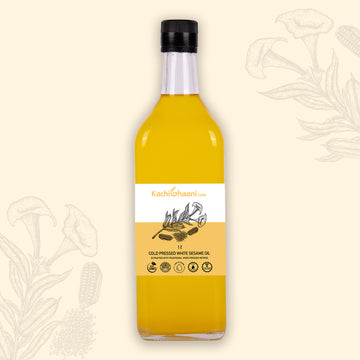
If you choose plain oil, our Truly Cold Pressed white sesame oil is pressed slowly in a wooden ghaani and left unrefined, and our A2 Gir cow ghee is made by the bilona method. Families who prefer badam rogan can use our Truly Cold Pressed almond oil the same way. These are pure food oils, not medicated nasya oils: decant a little clear oil into a clean dropper bottle kept only for this. For a classical medicated oil, buy one prepared for nasal use.
The bottom line
Daily nasya is a drop or a fingertip smear of warm sesame oil or ghee, and it may ease a dry nose. Keep it tiny and gentle, never sniff oil deep, never use it for babies, and skip it whenever your nose is unwell.
Frequently asked questions
What is anu taila?
Anu taila is a classical Ayurvedic nasya oil: sesame oil cooked with a long list of herbs, described in the old texts and made today by Ayurvedic pharmacies. It is used for daily and clinic nasya. If you use it, buy it from a reputable maker and follow the dose on the pack.
Is nasya the same as using a neti pot?
No. A neti pot rinses the nose with salt water, while nasya puts a little oil inside it. Some people use the neti pot first and the oil afterwards, once the nose has drained. For rinsing, use only boiled and cooled, distilled or sterile water, never water straight from the tap.
Does nasya help with snoring?
There is no good evidence that it does. Snoring has many causes, and loud snoring with pauses in breathing or daytime sleepiness can be a sign of sleep apnoea, which needs a doctor's assessment. Do not use oil in the nose as a substitute for that check.
Why do I sneeze after nasya?
A sneeze or a watery nose is common at first, as the nose reacts to something new. Use less oil, make sure it is only barely warm, and place it at the entrance of the nostril instead of deep inside. If burning or sneezing fits continue, stop.
How much oil should I use for nasya at home?
One drop per nostril is plenty, and two is the most for daily nasya. A fingertip smear just inside the nostril is gentler still. More oil does not help, and larger amounts raise the small chance of oil reaching the lungs.