Vata dosha in cold, dry months: an Ayurvedic routine
Vata dosha is Ayurveda's principle of movement, linked with cold, dry, windy weather. What it means, the traditional signs of imbalance, and a calm routine for skin, food and sleep this season.

Vata dosha is one of the three doshas of Ayurveda, India's traditional system of medicine: the principle of movement, tied to air and space and to qualities such as cold, dry, light and rough. Many Ayurvedic teachers link it with the cold, dry, windy months, which in the West are called vata season. The traditional answer is a simple routine: regular meals and sleep, warm cooked food, daily oil massage, and staying warm.
Ayurveda is a tradition, not a proven science, but this routine lines up well with what dermatologists advise for dry winter skin and what sleep research says about steady schedules. That makes it a sensible way to meet the season.
At a glance
- Vata dosha is one of Ayurveda's three doshas, the forces the tradition says shape body and mind. It is linked with qualities such as cold, dry, light, rough and moving, much like an autumn wind.
- Western Ayurveda calls autumn and early winter "vata season"; the classical Indian texts divide the year into six seasons and time things a little differently.
- The routine: fixed times for meals and sleep, warm cooked food, sesame oil self-massage, and protection from cold and wind.
- Dermatologists agree with the skin part: short, warm showers and a rich moisturiser on damp skin.
- It is a routine for comfort, not medicine. Lasting symptoms need a doctor.
What is vata dosha?
Vata dosha is the Ayurvedic principle of movement. Ayurveda describes three doshas, vata, pitta and kapha, as the forces that shape body and mind, and says every person carries all three in a mix of their own, called prakriti.
The word vata comes from a Sanskrit root meaning to move or to blow, and the tradition links it with the elements of air and space. The Charaka Samhita, one of Ayurveda's classical texts, lists its qualities as dry, cold, light, subtle, mobile, clear and rough. Vata is said to govern everything that moves in the body: breathing, the heartbeat, the passage of food through the gut and the flow of thought.
These are ideas from a traditional system, not measurements. There is no lab test for a dosha, and modern science has not established the dosha model, so it is best read as a language for noticing patterns in your body and in the weather.
Vata dosha symptoms: the signs of vata imbalance
Ayurveda reads certain changes as signs that vata has risen too high. To be plain: these are traditional Ayurvedic descriptions, not medical symptoms, and they cannot diagnose anything.
- Skin and hair: dry, rough skin, cracked lips and heels, dry or frizzy hair.
- Digestion: an irregular appetite, gas, bloating and hard, dry stools.
- Body: cold hands and feet, stiff joints and feeling chilled.
- Mind and sleep: restlessness, worry, a scattered mind and light, broken sleep.
Each of these has many ordinary causes, from dry indoor air to a busy week, and some can point to a medical condition. If one lasts, gets worse or worries you, see a doctor instead of relying on a routine alone.
When is vata season?
Vata season runs from the first cold, dry winds of autumn into early winter. The exact months depend on where you live, because the idea follows the weather, not the calendar.
| Where you live | Cold, dry months (roughly) | Notes |
|---|---|---|
| USA, Canada, UK, Europe | October to February | Wind, cold and dry indoor heating |
| Southern Australia, New Zealand | April to August | The same pattern, six months later |
| North India | November to February | Cold nights, dry air, winter smog in cities |
| South India, Singapore, coastal areas | Little true cold | Use the routine loosely, mainly in air-conditioned rooms |
| UAE and the Gulf | December to February | Mild, dry winters and dry indoor air all year |
Why does Ayurveda link autumn with vata?
Because autumn shares vata's qualities: it is cold, dry, light and windy. Ayurveda teaches that like increases like, so a season with vata's qualities is thought to stir up vata in the body, showing up as dry skin, restlessness and disturbed sleep.
The classical texts, written for India's climate, divide the year into six seasons. In their scheme, vata builds up in the hot, dry summer, flares in the monsoon and settles in sharad, India's warm, bright autumn. The two winter seasons, hemanta and shishira, are when the texts praise oil massage and richer food. Modern teachers in the West grouped the year into three, and the cold, windy autumn of North America and Europe became "vata season".
If you are new to the doshas, our guide to massage oils for vata, pitta and kapha is a gentle start.
How to balance vata dosha in autumn and early winter
In Ayurvedic terms, by bringing in the opposite qualities: warmth, moisture, steadiness and rest. In everyday terms, that means four simple habits.
Keep a rhythm
Wake, eat and sleep at about the same times each day. Ayurveda values routine for vata, and modern sleep advice says the same: the US National Library of Medicine's MedlinePlus advises going to bed and waking at the same time every day, aiming for 7 to 9 hours for adults, getting daylight and avoiding large meals late at night.
Oil your skin
Daily self-massage with warm sesame oil, called abhyanga, is the centre of the vata routine; our guide to abhyanga at home walks through it. Dermatologists reach a similar place by a different road: the American Academy of Dermatology advises short, warm showers of five to ten minutes, moisturising while skin is still damp, and choosing ointments and creams, which hold in more moisture than lotions.
Stay warm and covered
Ayurveda pays special attention to the ears, the nose and the feet. Cover your ears with a hat or scarf in wind, wear socks indoors, and run a humidifier in the bedroom if the air is very dry. Oiling the soles before bed, called padabhyanga, is a lovely end to a cold day. Lips and hands dry out first, so dermatologists suggest a lip balm or petroleum jelly, and gloves outdoors and for chores that keep your hands wet.
Move gently
Walking, yoga and stretching suit the season. Keep exercise steady rather than exhausting, and finish well before bedtime.
Vata dosha diet: what should you eat in the cold months?
Warm, cooked, soft and gently spiced food, with a little fat. Ayurveda sees vata as cold and dry, so a vata dosha diet favours meals that are the opposite.
| Favour | Go easy on |
|---|---|
| Soups, stews, dal and khichdi | Iced drinks and cold food straight from the fridge |
| Cooked root vegetables and greens | Large raw salads, especially at night |
| Porridge of oats, rice or millet | Dry, crunchy snacks such as crackers and puffed snacks |
| Ginger, cumin, cinnamon and black pepper | A lot of coffee and late caffeine |
| A teaspoon of ghee or sesame oil on cooked food | Skipping meals or eating at odd hours |
A simple vata-season day might look like this: warm water or ginger tea on waking; porridge with stewed apple and cinnamon for breakfast; dal, rice and cooked greens at lunch; and soup or khichdi with a little ghee in the early evening.
The evidence for dosha-based diets is thin, but warm meals built on vegetables, pulses and whole grains are a sound choice in any season. Keep fats modest: the World Health Organization advises that total fat stay at or below 30% of daily energy.
Which oil is best for self-massage in vata season?
Sesame oil is the classic choice, described in Ayurveda as warming and well suited to vata. Almond oil is a softer, lighter-smelling alternative, especially for the face.
- Warm the oil by standing the bottle or a small bowl of it in hot water for a few minutes. Test it on your wrist.
- Massage it in with long strokes on the arms and legs and slow circles over the joints, for 5 to 15 minutes.
- Leave it on for 10 to 15 minutes while you stay warm.
- Take a short, warm shower with a gentle cleanser only where needed, and pat dry.
A tablespoon or two, about 15 to 30 ml, covers the whole body. For the face, a few drops of almond oil at night are usually enough.
Who should take care?
- Sesame allergy: skip sesame oil entirely; choose another oil after a patch test.
- Eczema, psoriasis or broken skin: ask your dermatologist before oiling, and never oil broken or infected skin.
- Slippery floors: oiled feet slip. Wipe your soles before you step into the shower.
- Babies: follow the separate, gentle rules in our guide to baby malish, and never oil near a baby's nose or eyes.
- Heart or cholesterol conditions: keep ghee to small amounts and follow your doctor's advice.
- Lasting symptoms: poor sleep, constant itching or low mood need a doctor, not only a routine.
How to use our oil and ghee this season
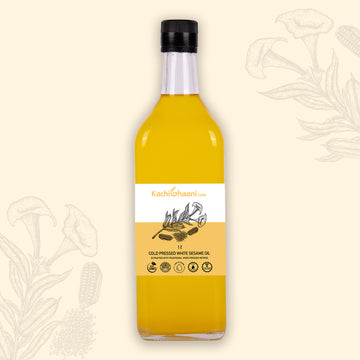
For self-massage, our Truly Cold Pressed white sesame oil is pressed slowly in a wooden ghaani and left unrefined; warm a little before each use. In the kitchen, a teaspoon of our A2 Gir cow ghee, made by the bilona method, on a bowl of khichdi or dal is a classic vata comfort.
The bottom line
Vata dosha is Ayurveda's principle of movement, and the cold, dry, windy months are its season. The routine is gentle common sense: steady hours, warm food, oiled skin and warm clothes. It is not medicine, but it matches what dermatologists and sleep experts advise, which makes it a fine way to move through autumn and winter.
Frequently asked questions
How do I know if I am a vata type?
An Ayurvedic practitioner judges your prakriti, your lifelong mix of doshas, from your build, skin, appetite, sleep and temperament, not from how you feel this week. Vata types are traditionally described as slim, quick and lively, with dry skin and cold hands. Online quizzes give a rough idea at best, and there is no lab test.
Should I oil my skin every day in winter?
Daily is the Ayurvedic ideal, but two or three times a week still helps. Use a thin layer, warm the oil first, and apply it before a short warm shower or onto damp skin afterwards. If your skin feels greasy, use less, or wash off the excess with a gentle cleanser.
Can I follow a vata routine if my body type is pitta or kapha?
Yes. Ayurveda's seasonal routines apply to everyone, adjusted to each person. Someone with a pitta or kapha constitution might choose a lighter oil, a shorter massage or less rich food, while keeping the warmth, regular hours and protection from wind.
Is warm water better than cold water in winter?
Ayurveda recommends warm water in vata season, and it is a comfortable habit in cold weather. There is no strong evidence that its temperature matters for health. What matters more is drinking enough, which many people forget to do in winter because they feel less thirsty.